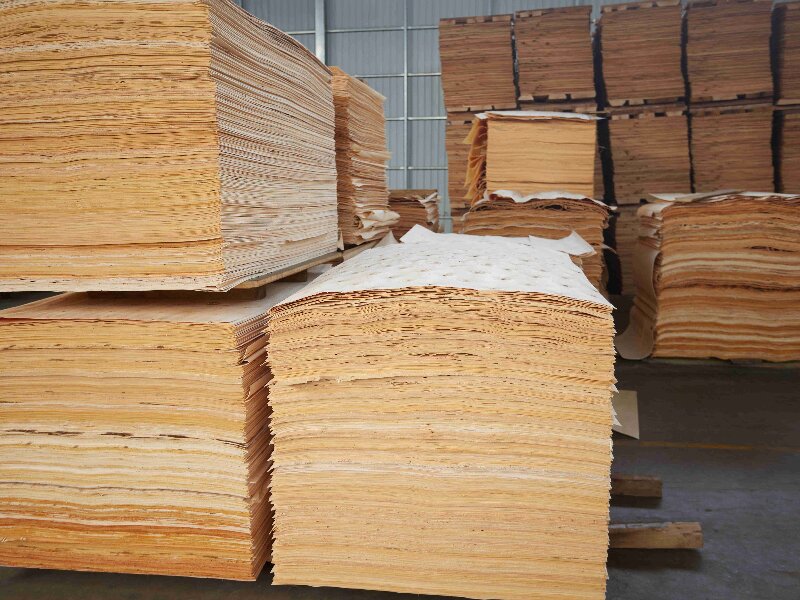
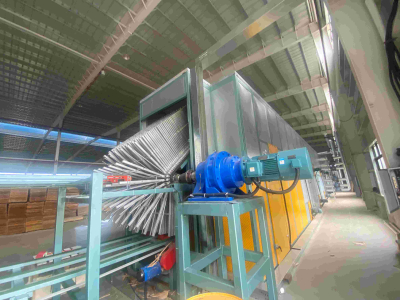
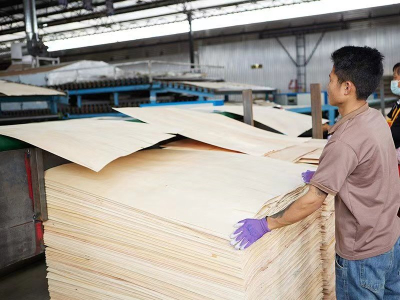
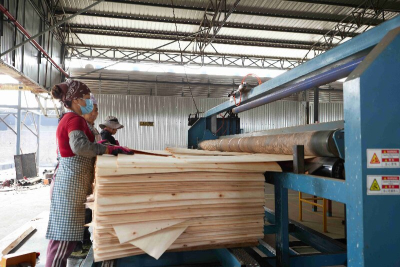
In a landmark development for the global timber and furniture manufacturing industries, Shine Wood Machinery Co., Ltd., a pioneering leader in advanced wood processing equipment, has officially launched its groundbreaking series of intelligent wood veneer dryers. This new generation of machinery is set to redefine industry standards by introducing a fully customized veneer drying method, meticulously engineered to adapt to the unique physiological and structural characteristics of virtually any wood species, from fast-growing plantation poplars to dense, exotic hardwoods.
The production of high-quality wood veneer—thin slices of wood prized for their aesthetic appeal and efficient material use—is a cornerstone of modern furniture, cabinetry, and interior decoration. However, the drying phase has long been its most critical and challenging bottleneck. Traditional, one-size-fits-all veneer dryer systems often apply uniform heat and airflow profiles, disregarding the vast differences between species. This can lead to a cascade of defects: excessive shrinkage, warping, checking (surface cracking), discoloration, and irreversible internal stresses that compromise the veneer’s strength, stability, and final yield. These inconsistencies not only result in substantial material waste but also create downstream production headaches for manufacturers.
Shine Wood’s innovation directly targets this fundamental flaw. “For decades, the industry has tried to force diverse biological materials into a single drying regime. Our philosophy is the opposite: we bring the dryer to the wood,” announced Dennis, Chief Technology Officer at Shine Wood. “Our new veneer dryer is not just a machine; it’s a dynamic processing ecosystem. It recognizes that oak is not maple, and that walnut from North America dries differently from African mahogany. Our customized veneer drying method is the key to unlocking the full, flawless potential of every single sheet.”
The Core of Customization: A Multi-Dimensional Adaptive System
The Shine veneer dryer integrates a sophisticated suite of sensors and AI-driven controls to execute its customized veneer drying method. The process begins with operator input and automated scanning.
Species-Specific Database: Each dryer comes pre-loaded with an extensive database of wood species. Operators select the species and initial thickness, and can even input the log’s geographic origin and pre-drying moisture content. The system’s algorithm immediately retrieves a baseline drying curve optimized for that specific wood’s cell structure, density, and known susceptibility to defects.
Real-Time Multi-Zone Monitoring: As the veneer sheets travel through the multi-chambered dryer, an array of non-contact sensors continuously monitors key parameters in each zone. High-precision moisture meters track the evaporation rate from core to surface. Infrared thermometers map surface temperature to prevent overheating. Hygrometers closely regulate the ambient humidity within each chamber.
Dynamic Feedback Loop: This is where true customization happens. The AI control unit analyzes the real-time data against the target drying curve. If moisture is escaping too quickly from a sensitive species like cherry—risking case-hardening—the system automatically adjusts: it reduces temperature, increases humidity, and slows airflow in that specific zone. Conversely, for a notoriously difficult-to-dry species like eucalyptus, it might employ a staged approach with intermittent conditioning phases to relax internal stresses without sacrificing efficiency.
Conditioning and Stabilization: The final stage of the customized veneer drying method involves a precision conditioning cycle. Here, the dried veneer is exposed to controlled steam or mist, allowing moisture to equalize throughout the sheet. This critical step, finely tuned to the species’ receptiveness, ensures the veneer emerges not just dry, but dimensionally stable and ready for immediate further processing.
Technical Advantages and Tangible Benefits
The implementation of Shine’s customized veneer drying method translates into direct, measurable advantages for veneer producers and their clients:
Unprecedented Quality Consistency: By eliminating the guesswork and harsh treatment of traditional drying, the system produces wood veneer with minimal defects. Color is preserved more naturally, grain clarity is enhanced, and the physical integrity of the sheet is maintained. This results in a higher percentage of Grade-A veneer from every log.
Dramatic Reduction in Waste: The precise control directly reduces shrinkage, warping, and cracking. Industry trials have shown a reduction in drying-related waste by up to 40% for challenging species, offering a rapid return on investment through saved raw material.
Enhanced Production Efficiency: While the process is gentler, it is not slower. By optimizing the drying path for each batch, the intelligent system often finds the most efficient route to the target moisture content (typically 8-12%), reducing total cycle time compared to conservative, manual approaches needed to avoid defects.
Energy Optimization: The adaptive system prevents the over-application of heat and ventilation. By operating each zone only as aggressively as necessary, overall energy consumption per cubic meter of dried wood veneer is significantly lowered, aligning economic benefit with environmental sustainability.
Empowerment for Diverse Sourcing: Manufacturers are no longer constrained to using only a handful of “easy-to-dry” woods. This technology empowers them to reliably process a wider range of local, sustainable, or exotic species, fostering product diversity and market competitiveness.
Case in Point: Tailoring the Approach
To illustrate the customized veneer drying method, consider two contrasting species:
American White Oak: A dense, porous hardwood prone to checking. The Shine dryer would initiate a moderate-temperature, high-humidity start to gently warm the veneer without shocking it. The mid-phase would feature carefully ramped heat with intermittent “rest” periods to allow moisture gradients to equalize, followed by a thorough conditioning cycle to ensure plasticity.
Paulownia: An extremely fast-growing, low-density softwood. The system would employ a shorter, higher-temperature profile with vigorous airflow to rapidly remove moisture without concern for slow internal water migration, maximizing throughput for this commercially important species.
Industry Impact and Future Outlook
The launch has been met with enthusiastic anticipation from industry associations and major manufacturers. “The move towards customization in veneer drying is not an incremental improvement; it’s a paradigm shift,” commented Michael Thorpe, editor of Global Timber Industry Review. “Shine Wood’s new veneer dryer addresses the core variability in raw material that has plagued producers forever. This technology has the potential to elevate global veneer quality standards and make sustainable forestry species more commercially viable.”
Shine Wood is offering comprehensive training and remote diagnostic support with each installation, ensuring clients can fully leverage the capabilities of their new system. The company also emphasizes that the AI algorithms are designed for continuous learning, with future updates promising even finer species differentiation and predictive defect prevention.
About Shine Wood Machinery Co., Ltd.
Shine Wood Machinery Co., Ltd. has been at the forefront of wood processing technology for over two decades. Specializing in the research, development, and manufacturing of precision slicing, drying, and pressing equipment, Shine Wood is committed to driving innovation that enhances efficiency, sustainability, and quality across the wood products value chain. Their solutions are trusted by leading manufacturers in over 60 countries worldwide.
For more information about the new intelligent veneer dryer and the revolutionary customized veneer drying method, please visit Shine Wood’s official website or contact their global sales and engineering team.