
The Complete Guide to Selecting the Perfect Wood Veneer Dryer Based on Production Capacity and Technical Requirements
Introduction
The drying stage is one of the most critical processes in wood veneer production. An improperly dried veneer can lead to defects such as warping, cracking, discoloration, and moisture imbalance—issues that directly impact the quality and market value of the final product. Selecting the right veneer dryer is not merely an equipment purchase; it is a strategic decision that influences your production efficiency, energy consumption, product consistency, and overall profitability.
This comprehensive guide is designed to help veneer manufacturers, mill managers, and decision-makers navigate the key factors in choosing a wood veneer dryer that aligns precisely with their capacity needs, operational constraints, and quality standards.
1. Understanding Veneer Drying Fundamentals
Before selecting a dryer, it’s essential to understand the basic principles of wood veneer drying. Freshly peeled veneer typically has a moisture content (MC) of 30–60%, which must be reduced to 6–12% depending on the end-use (e.g., furniture, flooring, or decorative panels). The drying process must be carefully controlled to preserve the veneer’s strength, color, and flatness.
Two primary dryer types dominate the market:
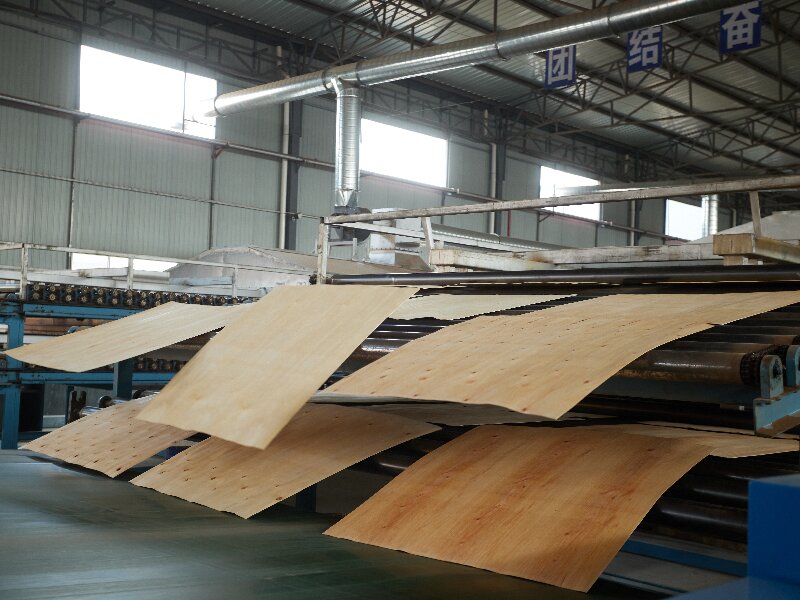
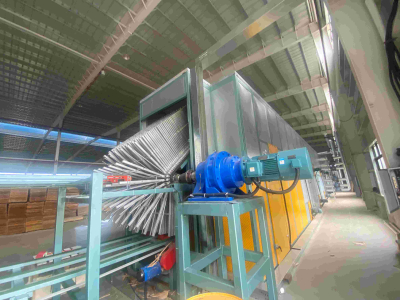
Roller Dryers: Continuous dryers where veneer sheets pass through heated rollers; ideal for high-volume, consistent thickness production.
Jet Dryers: Use high-velocity hot air impingement; suitable for delicate or variable thickness veneers.
Multi-pass Dryers: Combine conveyor and airflow systems for flexible drying of mixed loads.
The choice among these depends largely on your veneer dryer capacity requirements and product mix.
2. Assessing Your Production Capacity Needs
Capacity is the cornerstone of dryer selection. An undersized dryer creates bottlenecks, while an oversized unit increases capital and operating costs.
Step 1: Calculate Your Current and Projected Output
Daily Veneer Volume: Measure in cubic meters (m³) or square meters (m²) per shift.
Veneer Characteristics: Thickness (0.3–3.0 mm), species (oak, maple, poplar, etc.), initial and target MC.
Growth Planning: Consider future expansion. Can the veneer dryer be modularly upgraded?
Example: A medium-sized mill producing 10,000 m²/day of 0.6 mm oak veneer, reducing MC from 45% to 8%, requires a dryer rated for at least 12,000 m²/day to account for downtime and variations.
Step 2: Match Dryer Type to Throughput
Small Mills (< 5,000 m²/day): Consider compact roller or batch-type jet dryers.
Medium Mills (5,000–20,000 m²/day): Multi-pass or continuous roller dryers offer balance.
Large Mills (> 20,000 m²/day): High-speed continuous roller or conveyor jet dryers with zoning control.
3. Key Technical Specifications to Evaluate
3.1 Drying Uniformity and Quality Control
A high-quality wood veneer dryer must ensure even moisture distribution. Look for:
Zoned Temperature and Humidity Control: Independent sections adjust parameters for different MC stages.
Airflow Design: Horizontal/vertical airflow patterns affect drying speed and uniformity.
Energy Source: Steam, gas, hot water, or heat pump systems impact both cost and controllability.
3.2 Energy Efficiency and Operating Costs
Drying accounts for up to 70% of thermal energy use in veneer production.
Heat Recovery Systems: Reduce fuel consumption by 20–30%.
Insulation Quality: Minimizes heat loss.
Automated Controls: Optimize drying cycles based on real-time MC sensors.
3.3 Flexibility and Adaptability
Can the veneer dryer handle different species, thicknesses, and grades without major adjustments? Variable speed conveyors, adjustable nozzles, and programmable recipes are valuable features.
4. Layout and Integration Considerations
The physical arrangement of the veneer dryer within your production line affects workflow and efficiency.
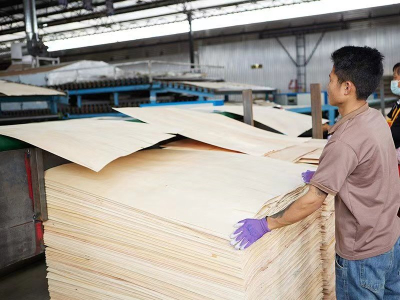
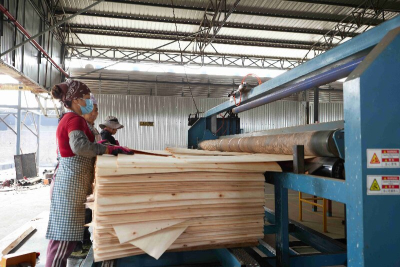
Infeed/Outfeed Logistics: Ensure seamless connection to peeling, clipping, and stacking stations.
Space Requirements: Include maintenance access and safety clearances.
Utility Connections: Proximity to boiler, electrical supply, and exhaust systems.
5. Supplier Selection and Support
Choose a supplier with:
Proven experience in wood veneer dryer manufacturing.
References from mills with similar capacity and product mix.
After-sales support, training, and spare parts availability.
6. Future-Proofing Your Investment
Scalability: Can you add modules or increase speed?
Digital Integration: IoT-enabled dryers allow remote monitoring and predictive maintenance.
Sustainability: Emissions compliance and carbon footprint considerations.
Conclusion
Selecting the right veneer dryer requires a careful balance between capacity, technical performance, operational costs, and long-term strategic goals. By thoroughly evaluating your production needs, understanding dryer technologies, and partnering with a reputable supplier, you can invest in a system that not only meets today’s demands but also adapts to tomorrow’s challenges.
In the competitive world of wood veneer manufacturing, the dryer is more than just machinery—it’s the heart of your quality and efficiency. Choose wisely, and you’ll reap the benefits in superior product consistency, reduced waste, and enhanced profitability.