
Beyond the Flame: Revolutionizing Veneer Drying with Sustainable, Cost-Effective Heat Source Solutions
In the intricate world of wood processing, the drying of veneer is a critical juncture—a point where precision, efficiency, and cost directly impact the quality of the final product and the bottom line. For manufacturers, the choice of how to power their veneer dryers is no longer a simple technical specification; it has evolved into a strategic decision with profound implications for operational costs, environmental responsibility, and long-term sustainability. Today, forward-thinking companies are presented with a spectrum of options: from traditional electric and gas systems to advanced thermal oil and, most promisingly, innovative biomass solutions that turn waste into worth.
The conversation is moving beyond mere BTU output to a holistic evaluation of Total Cost of Ownership (TCO), carbon footprint, and energy independence. At the forefront of this evolution is the development of proprietary biomass combustion systems capable of utilizing wood waste generated on-site. This article delves deep into the advantages and limitations of each major heat source, providing a clear-eyed analysis to guide decision-makers in selecting the optimal technology for their unique needs.
The Critical Role of Veneer Drying
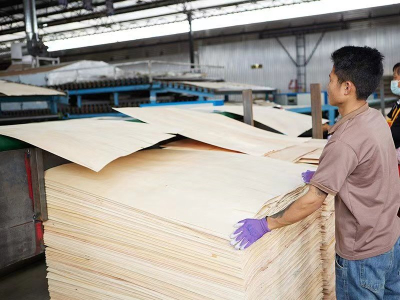
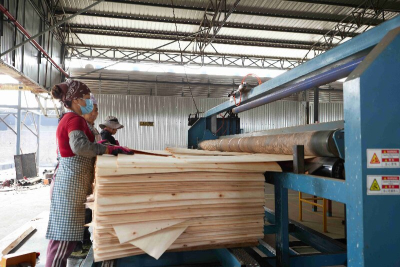
Before comparing heat sources, it's essential to understand why drying is so vital. Veneer, thin slices of wood peeled or sliced from logs, typically has a very high moisture content after production. Effective drying stabilizes the wood, preventing warping, cracking, and fungal growth. It prepares the veneer for gluing, pressing, and finishing, ensuring the structural integrity and aesthetic quality of products like plywood, furniture, and flooring. The drying process must be uniform and controllable, as excessive heat can degrade the wood's strength and color, while insufficient drying leads to product failure. The heat source is the engine of this process, and its characteristics define the dryer's performance.
A Comparative Analysis of Veneer Dryer Heat Sources
1. Electric Heating: Precision with a Price Tag
Electric dryers operate by passing an electric current through heating elements, which then radiate heat into the drying chamber. This method offers unparalleled precision.
Advantages:
Exceptional Control: Electric systems allow for precise temperature management, which is crucial for delicate veneer species.
Cleanliness: The process produces zero on-site emissions, making it exceptionally clean and ideal for facilities with strict indoor air quality requirements.
Simplicity and Low Maintenance: Electric dryers have fewer moving parts compared to combustion-based systems, leading to easier installation and lower maintenance costs.
High Efficiency: Nearly 100% of the electrical energy is converted into heat within the dryer.
Disadvantages:
Prohibitive Operational Cost: Electricity is often the most expensive form of energy per unit of heat. In regions with high electricity tariffs, operational costs can be unsustainable for energy-intensive drying applications.
Grid Dependency: Operations are entirely at the mercy of grid stability and electricity prices, which are subject to volatility.
Carbon Intensity (Indirectly): While clean on-site, if the local grid is powered by coal or gas, the overall carbon footprint may still be significant.
Ideal For: Small-scale operations, specialty veneers requiring ultra-precise temperatures, or regions where electricity is cheap and green.
2. Natural Gas: The Conventional Workhorse
For decades, natural gas has been the default choice for many industrial drying applications due to its availability and cost-effectiveness.
Advantages:
Cost-Effectiveness: Historically, natural gas has been a relatively low-cost fuel, offering a good balance between operational expense and performance.
High Efficiency and Fast Heat-Up: Modern gas burners are highly efficient and can achieve desired drying temperatures quickly.
Clean Burning: Compared to oil or coal, natural gas burns cleaner, with lower emissions of particulates and sulfur oxides.
Disadvantages:
Price Volatility: Gas prices are notoriously volatile, tied to geopolitical events and market fluctuations, making long-term budgeting challenging.
Pipeline Dependency: Access is limited to areas with pipeline infrastructure, restricting location choices.
Carbon Emissions: Burning natural gas directly releases carbon dioxide (CO2) into the atmosphere, contributing to the facility's carbon footprint.
Regulatory Hurdles: Increasingly strict environmental regulations on combustion emissions can lead to additional compliance costs.
Ideal For: Facilities with reliable, low-cost gas supply that are not yet prioritizing a transition to carbon-neutral operations.
3. Thermal Oil (Thermal Fluid) Systems: Indirect and Stable
Thermal oil systems act as an intermediary. A heater (which can be fueled by gas, oil, or biomass) heats a special thermal oil in a closed loop. This hot oil then circulates through heat exchangers within the dryer, transferring heat to the veneer indirectly.
Advantages:
Superior Temperature Control and Safety: Thermal oil can operate at high temperatures without the high pressures required for steam systems. This allows for very stable and uniform heat distribution, minimizing the risk of hot spots that can damage veneer.
Fuel Flexibility: The central heater can be designed to run on various fuels (gas, diesel, biomass), providing some flexibility to switch based on price and availability.
Corrosion Prevention: Unlike steam systems, thermal oil avoids issues of corrosion within the pipes and heat exchangers.
Disadvantages:
Higher Capital Investment: The system is more complex, requiring the boiler, heat exchangers, and circulation pumps, leading to a higher upfront cost.
Maintenance Requirements: The thermal oil itself degrades over time and must be monitored and replaced, adding to operational expenses.
System Complexity: More components mean more potential points of failure, requiring specialized knowledge for maintenance.
Ideal For: High-volume production lines where consistent, high-quality drying is paramount, and where the capital investment is justified by the superior product yield.
4. The Game Changer: Biomass Combustion from Wood Waste
This is where the industry is heading. A biomass combustion system, specifically designed to burn the bark, sawdust, trim ends, and other wood waste generated by the mill itself, represents a paradigm shift in veneer drying economics and sustainability.
Advantages:
Dramatic Reduction in Fuel Costs: The primary fuel source is essentially free waste material that would otherwise incur disposal costs. This can reduce energy costs for drying by up to 80-90%.
Waste-to-Energy Circular Economy: It transforms a disposal problem (waste wood) into a valuable energy asset, closing the loop within the production facility. This significantly reduces landfill fees and associated environmental burdens.
Carbon Neutrality: Biomass combustion is generally considered carbon-neutral. The CO2 released during burning is equivalent to what the tree absorbed during its growth, creating a balanced cycle unlike fossil fuels, which release ancient, sequestered carbon.
Energy Independence: It liberates manufacturers from the volatility of external energy markets, providing predictable and controllable energy costs.
Enhanced Sustainability Profile: Adopting biomass energy is a powerful statement of corporate environmental responsibility, appealing to eco-conscious consumers and business partners.
Disadvantages:
Higher Initial Investment: The combustion unit, fuel handling systems (conveyors, silos), and emissions control technology require significant capital expenditure.
Operational Complexity: Requires dedicated space for fuel storage and handling, as well as trained personnel to operate and maintain the system.
Emissions Management: While carbon-neutral, combustion must be carefully controlled to minimize particulate matter (PM) and other emissions, necessitating sophisticated filtration systems like baghouses or cyclones to comply with air quality standards.
Spotlight on Innovation: Our Proprietary Biomass Combustion System
Recognizing the immense potential of biomass, our company has invested heavily in the research and development of a next-generation biomass combustion engine specifically engineered for veneer dryers. Our system is not an adaptation of an existing boiler; it is a purpose-built solution designed to overcome the traditional challenges associated with biomass.
Key Features of Our System:
Advanced Gasification Technology: Instead of simple direct combustion, our system utilizes a controlled gasification process. This converts the solid wood waste into a clean-burning synthetic gas (syngas). The syngas is then combusted at high temperatures, leading to more complete combustion, higher efficiency, and significantly lower particulate emissions compared to traditional biomass burners.
Intelligent Fuel Flexibility: Our system is designed to handle the heterogeneous nature of mill waste—efficiently burning a mix of bark, sawdust, and sander dust with varying moisture contents. Automated feeding and monitoring systems ensure consistent performance regardless of fuel consistency.
Integrated Emissions Control: We have integrated state-of-the-art multi-cyclone and optional baghouse filter systems directly into the design. This ensures that our units meet or exceed the most stringent international emissions regulations without requiring costly aftermarket additions.
Smart Heat Integration: The system can be seamlessly integrated with both direct hot air dryers and indirect thermal oil systems, offering flexibility for new installations or retrofits of existing dryer lines.
Remote Monitoring and AI Optimization: Our units come equipped with IoT sensors that allow for remote performance monitoring and predictive maintenance alerts. Furthermore, our AI-driven control system continuously optimizes the air-to-fuel ratio for maximum efficiency and minimum emissions.
Making the Right Choice: A Decision Matrix for Manufacturers
The optimal heat source depends on a facility's specific circumstances. Consider the following factors:
Scale of Operation: Small shops may find electric heating sufficient, while large mills will benefit from the economies of scale offered by biomass.
Local Energy Costs and Availability: Compare the long-term price stability of electricity and gas versus the capital cost of a biomass system.
Veneer Species and Quality Requirements: High-value, delicate veneers might justify the precision of electric or thermal oil systems.
Environmental Goals: Companies committed to Net-Zero targets will find biomass indispensable.
Existing Waste Stream: The economic case for biomass is strongest for facilities that currently pay to have large volumes of wood waste hauled away.
The Future is Circular
The evolution of veneer drying heat sources mirrors a broader industrial trend: the shift from linear "take-make-dispose" models to circular, waste-minimizing economies. While electric, gas, and thermal oil systems will continue to have their place, the undeniable logic of using a mill's own waste to power its most energy-intensive process is compelling.
Our proprietary biomass combustion system is more than just a piece of machinery; it is a strategic tool for building a resilient, profitable, and sustainable future for the wood products industry. By turning a cost center (waste disposal) into a profit center (free fuel), we are not just selling dryers—we are empowering our clients to re-engineer their operations for the 21st century. The question is no longer just about how to dry veneer, but about how to build a business that thrives in harmony with both the environment and the bottom line.