
Drying European Hardwoods: Nuances in Veneer Production
European hardwoods—beech, oak, birch, and others—are celebrated for their durability, rich grain, and versatility in high-end furniture, flooring, and interior finishes. Yet, transforming these dense woods into usable hardwood veneers (thin slices for composite wood products) involves a critical, often underestimated challenge: drying. For manufacturers, the process demands precision at every stage, from log preparation to veneer drying.
Pre-Drying Steaming: A Double-Edged Step
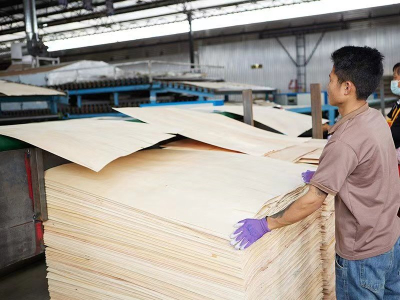
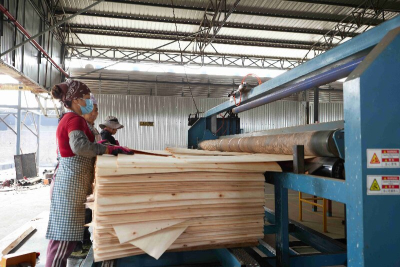
Before veneer peeling (the process of slicing logs into thin sheets), logs of European hardwoods typically undergo steaming. This step softens the wood, making it easier to peel into uniform veneers. However, steaming drastically elevates the moisture content (MC) of the resulting hardwood veneers—far beyond the MC of unsteamed or softer wood veneers. For producers, this means veneers enter the veneer dryer with significantly higher MC levels, requiring specialized handling to avoid defects like warping, cracking, or internal stress.
Thermal Demands: Calculating the Energy Gap
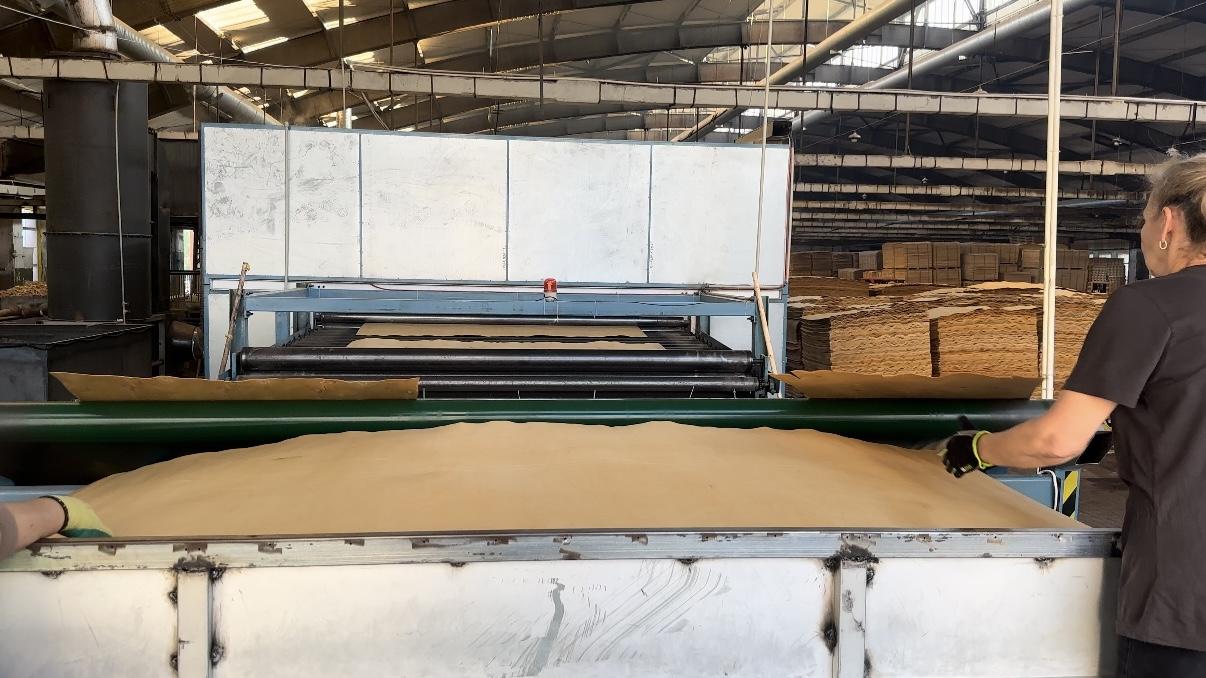
Drying these high-MC hardwood veneers is energy-intensive. On average, drying 1 cubic meter of hardwood veneer requires approximately 400,000 kcal of thermal energy—far more than lower-density woods. This makes boiler selection a make-or-break decision: undersized boilers may fail to deliver sufficient heat, prolonging drying cycles and risking incomplete moisture removal. Conversely, oversized boilers waste energy and inflate operational costs, undermining profitability.
Veneer Dryer Essentials: Control and Adaptability
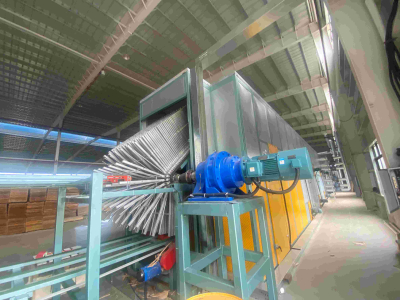
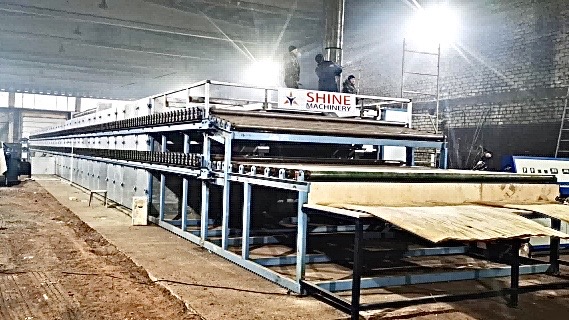
Selecting the right veneer dryer is equally critical. To address the unique challenges of high-MC hardwood veneers, dryers must offer two key features:
1. Variable Frequency Adjustment: The ability to dynamically regulate both temperature and veneer running speed. Thicker veneers, for instance, require slower speeds and lower temperatures to prevent surface cracking, while thinner sheets need faster processing to avoid over-drying. Without this flexibility, manufacturers risk inconsistent quality across varying veneer thicknesses.
2. Precision Temperature Management: Hardwood veneers are sensitive to temperature fluctuations. Even minor variations can cause discoloration, fiber collapse, or reduced adhesion in downstream applications (e.g., plywood lamination). Modern dryers with advanced sensors and controls ensure uniform heat distribution, minimizing such defects.
Balancing Quality and Efficiency
For European hardwood veneer producers, the stakes are clear: substandard drying leads to wasted material, rework, and unhappy clients. Conversely, investing in boilers matched to thermal needs and dryers with variable frequency adjustment drives efficiency, quality, and competitiveness. As global demand for premium hardwood products grows, mastering these drying nuances becomes not just a technical requirement, but a strategic advantage.