
Next-Generation Wood Veneer Dryer Revolutionizes Veneer Production: Higher Efficiency, Lower Energy Consumption, and Superior Quality
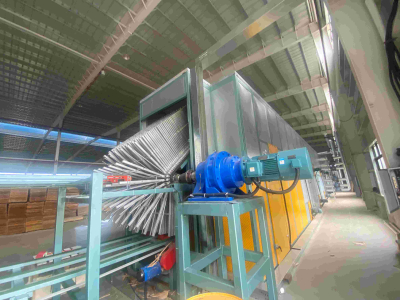
As global demand for engineered wood products such as plywood, LVL (Laminated Veneer Lumber), and decorative veneers continues to surge, manufacturers are turning to advanced wood veneer dryers to optimize their production lines. The latest generation of continuous roller-type veneer dryers and jet-air veneer drying systems is transforming how wood veneer is processed — delivering significant advantages in speed, uniformity, energy savings, and final product quality.
Why Machine Drying Outperforms Traditional Air Drying
Traditional open-air or shed drying of wood veneer is slow, labor-intensive, and highly dependent on weather conditions. In contrast, industrial veneer drying machines offer precise control over temperature, airflow, and residence time, resulting in consistent, high-quality veneer ready for gluing and pressing.
Key Benefits of Using a Wood Veneer Dryer
1. Drastically Reduced Drying Time
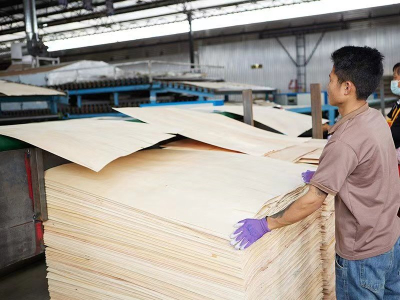
While natural air drying can take days or even weeks, a modern wood veneer dryer reduces drying time to just minutes. Depending on veneer thickness (typically 1.2–4.0 mm) and initial moisture content (60–80% down to 6–10%), a high-efficiency dryer can process 2–5 tons of veneer per hour, dramatically increasing throughput.
2. Uniform Moisture Content Across Every Sheet
Uneven drying leads to warping, cracking, and glue line failure in plywood. Advanced veneer dryers with multi-zone temperature control (e.g., 120–200 °C) and air-jet circulation ensure that moisture variation across and along the veneer sheet is kept within ±1.5%, which is critical for downstream rotary peeling and hot-pressing processes.
3. Energy Efficiency and Heat Recovery
Today’s best-in-class wood veneer drying machines integrate waste heat recovery systems, reusing exhaust hot air to preheat incoming fresh air or to heat water for facility use. Some models feature biomass or steam-heated systems, reducing energy costs by up to 30–40% compared to older direct-fired dryers.
4. Minimized Veneer Degradation and Defects
Machine drying applies gentle but effective airflow, preventing over-drying at edges and under-drying in the center. This eliminates common defects such as honeycombing, surface checking, and brittleness. The result is higher veneer grade recovery — more usable A/B-grade sheets and less waste.
5. Space Saving and Cleaner Operation
A single continuous veneer dryer can replace acres of outdoor drying yards, freeing up valuable factory space. Enclosed systems also reduce dust, insect infestation, and mold growth, meeting hygiene standards for plywood used in furniture, flooring, and construction.
Advanced Features of Modern Veneer Dryers
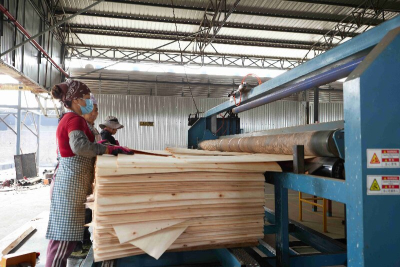
Automatic infeed and stacking systems — reduce labor cost and manual handling damage.
PLC/HMI touch-screen control — real-time monitoring of temperature, speed, and moisture content.
Self-cleaning mesh belts or roller conveyors — prevent resin and fiber buildup for continuous operation.
Modular design — easy to expand drying sections for higher capacity or thicker veneers.
Safety interlocks and fire suppression — essential when drying resinous tropical hardwoods.
Environmental and Economic Advantages
Switching to efficient wood veneer drying machinery directly supports sustainable forestry by maximizing the yield from each log. Less veneer wasted means fewer trees harvested per unit of finished product. Additionally, many modern dryers can use wood waste (bark, sawdust, off-cuts) as fuel through integrated gasifier or boiler systems, creating a closed-loop energy solution.
Suitable for All Veneer Types
Whether processing poplar, eucalyptus, birch, oak, ash, okoume, or meranti, today’s dryers are adjustable in temperature profile and drying intensity. Some specialized models handle high-moisture tropical veneers (up to 100% MC initial) without casehardening.
Industry Expert Perspective
“Investing in a modern wood veneer dryer was the single most impactful upgrade we made. Our drying time dropped from 2 days to 12 minutes, our glue consumption decreased by 18% due to flat veneer, and our plywood delamination rate fell below 0.5%. The machine paid for itself in eight months.” — Production Director, a leading plywood manufacturer in Southeast Asia.
Global Market Outlook
With the global plywood market expected to grow at a 5.2% CAGR through 2030, demand for reliable, high-capacity veneer-drying solutions continues to rise. Manufacturers in Vietnam, Brazil, China, India, and Eastern Europe are rapidly replacing outdated drying methods with automated, energy-smart veneer dryers to remain competitive.
Conclusion
From faster throughput and superior veneer quality to lower energy costs and a smaller environmental footprint, the case for using a professional wood veneer dryer is clear. As wood processing moves toward Industry 4.0, machine drying is no longer an option — it is a necessity for any veneer or plywood producer seeking efficiency and profitability.
For more information about industrial wood veneer dryers, including technical specifications, capacity charts, and prices, contact a reputable machinery supplier or visit the manufacturer’s website.
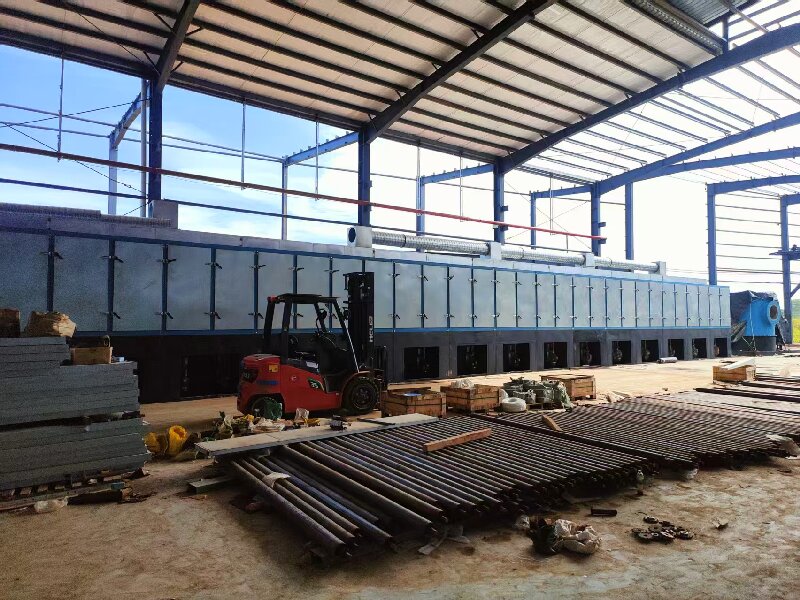
- Previous : Shine Completes Installation of Customized Double-Deck Roller Veneer Dryer in Pizhou, Jiangsu, Featuring Natural Gas Heating to Meet Local Environmental Standards
- Next : Shine Veneer Dryer Delivers Tailored Installation & Maintenance Solutions Worldwide: Custom Designs, On-Site Engineering Guidance, and Full Operator Training Ensure Zero Ramp-Up Issues