

News Center
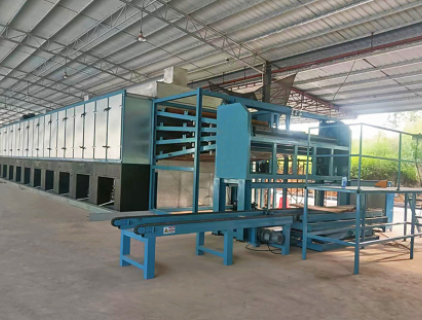
When cracks emerge from a veneer dryer machine outlet, the immediate response in many plywood mills is often to adjust speed. Faster transport certainly looks attractive, promising more sheets per hour, but drying veneer is not just a throughput calculation. Line speed changes residence time, and…
2026/08/17 17:35
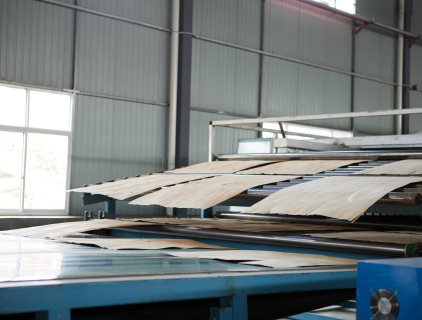
Rainy-season production often highlights every weakness in a plywood mill's drying process. Fresh veneer frequently enters the line with varying moisture conditions, while humid workshops make managing moisture regain after drying even tougher. Here, a robust roller veneer dryer isn't just a…
2026/08/14 15:11
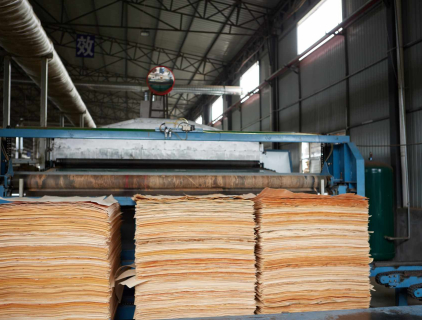
When plywood veneer leaves a dryer with visible end waves, the immediate thought is often to just raise the temperature. Yet, in many production scenarios, this isn't the most effective first action. A continuous veneer dryer machine operates on a delicate balance of residence time, hot-air…
2026/08/14 14:50
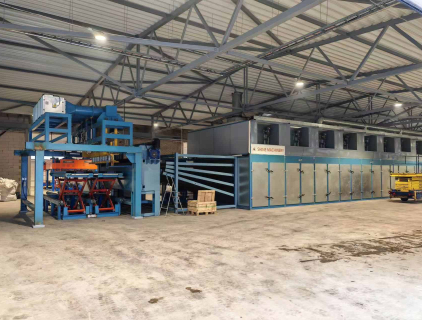
When green veneer enters a drying line at 60–80% moisture content, the goal isn't just to rush sheets through the dryer as fast as possible. For plywood and LVL production, what truly matters for acceptance is whether a veneer dryer machine can achieve the target moisture, keeping sheets flat,…
2026/08/13 16:53
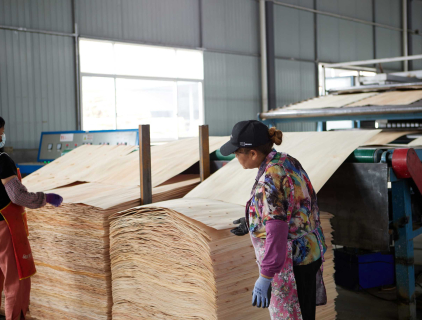
A low purchase price can make a veneer dryer look attractive, especially when a plywood mill is expanding capacity under pressure. Yet the real question isn't just what the machine costs on day one. It's about the true cost per cubic meter, considering labor, fuel, electricity, output consistency,…
2026/08/07 15:16
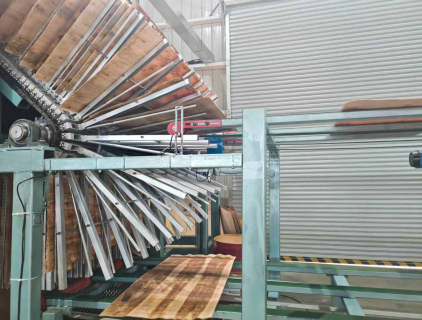
In veneer production, buyers often compare a line by the length of its hot air section. It's understandable: heating length is directly tied to drying time, capacity, and moisture removal. But a veneer dryer isn't just a heating tunnel. The cooling area, discharge section, moisture target, and…
2026/08/07 15:11
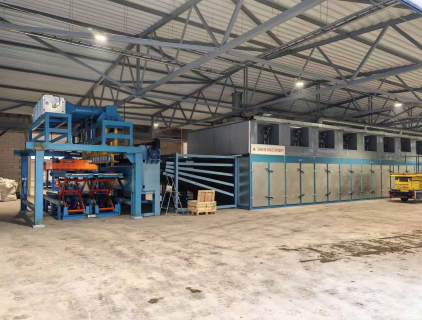
For medium-capacity plywood and veneer plants, aiming for a 50–60 m³/day output might seem straightforward at first glance. Yet, in practice, the right decision truly hinges on two interconnected factors that demand careful consideration: your factory footprint and your electricity load. A dryer…
2026/08/04 14:00
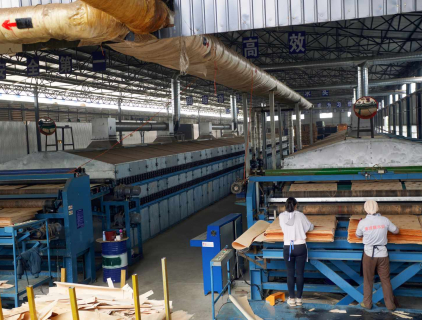
In a northern plywood workshop, the first sign of a drying problem is not always low temperature. It may be water dripping from roof beams, steam collecting near the outfeed, or dried sheets becoming damp again before grading. In cold climate veneer drying, adding a larger burner or increasing…
2026/07/30 17:39
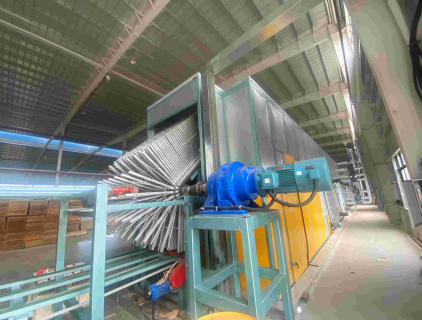
For plywood manufacturers, a controlled hot air veneer dryer can turn veneer drying from a daily bottleneck into a predictable, repeatable process. By matching moisture control, line speed, and energy use with actual veneer output, mills can stabilize takt time from peeling to pressing.For plywood…
2026/07/29 16:22
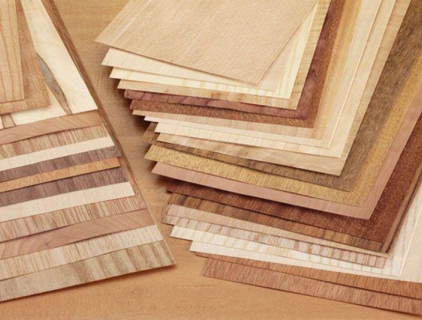
For a small plywood mill, the first mechanical drying upgrade is not simply a question of buying the largest veneer dryer in the catalog. The safer decision is usually to match drying capacity, operator experience, heat source, and maintenance workload. A well-selected two-deck veneer dryer can…
2026/07/28 17:10
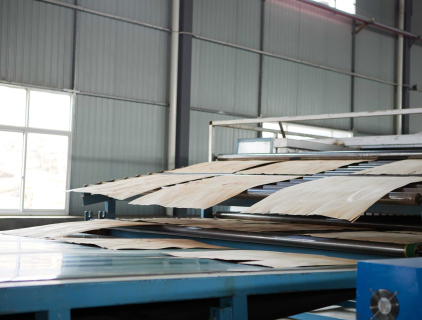
Energy waste is one of the biggest hidden cost drains for wood processing plants, and the wood veneer dryer is often the factory’s highest energy-consuming equipment. Many manufacturers struggle with soaring utility bills not because their wood dryer is faulty, but due to improper operation,…
2026/07/24 17:01
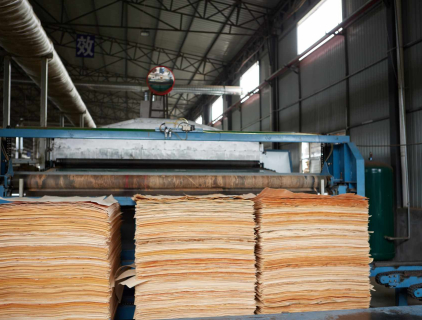
A high-quality wood drying machine is an essential piece of equipment in the modern wood processing industry. It solves the common problems of high moisture content, wood deformation, cracking and mildew in raw wood materials, greatly improving wood stability, durability and commercial value. As…
2026/07/22 17:31