

News Center
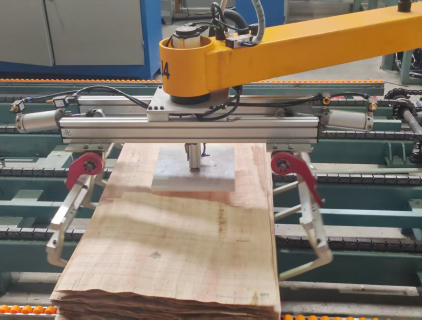
Efficient floor planning is becoming a critical issue for veneer producers moving from natural drying to equipment-based drying. A Vertical Veneer Dryer helps address that challenge by using vertical structure instead of long horizontal expansion, allowing mills to organize drying, feeding,…
2026/06/29 16:26
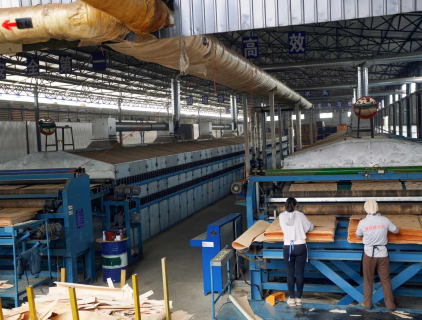
In plywood manufacturing, drying is not a background step. It is where panel strength, surface grade, glue performance, and long-term stability begin to take shape. A veneer dryer may process both core veneer and face veneer, but these two materials do not behave the same way. Core layers carry…
2026/06/25 14:44
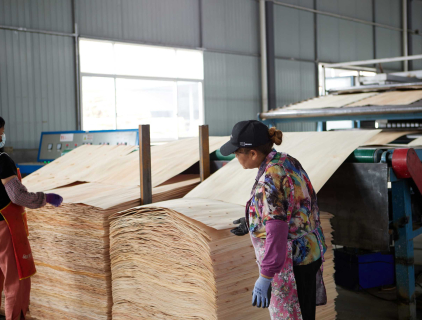
In plywood production, the drying stage often decides whether the whole line runs smoothly or waits for material. When a veneer dryer is too small, downstream assembly and hot pressing can lose rhythm; when it is oversized, energy and floor space may be wasted. For factories producing dryer plywood…
2026/06/24 10:23
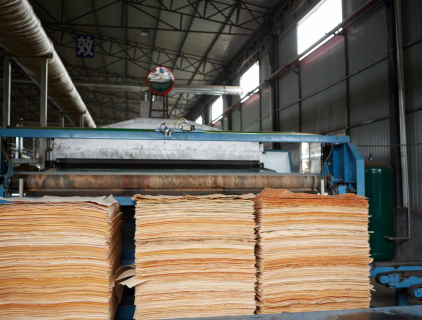
In plywood and pallet manufacturing, small moisture errors can become expensive defects. A veneer dryer is not just a drying step; it is one of the most important control points between raw veneer and saleable panels. When moisture varies too widely, manufacturers face re-drying, brittle sheets,…
2026/06/23 16:50
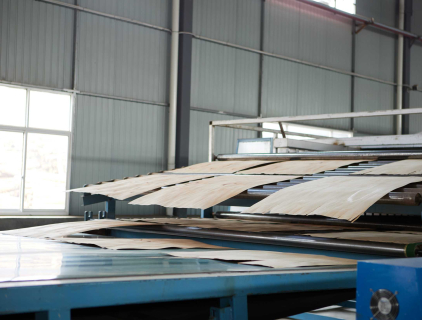
In global plywood and engineered wood production, choosing a China veneer dryer manufacturer is no longer a simple price comparison. International buyers now look for drying stability, realistic output planning, energy efficiency, export readiness, and service support after installation. A low…
2026/06/18 11:36
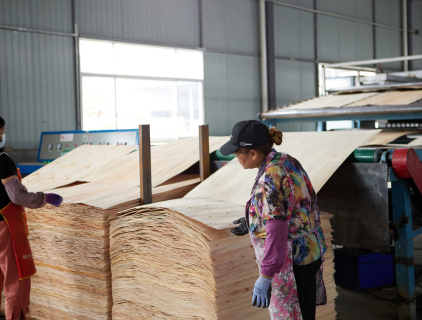
Rubberwood veneer drying and eucalyptus veneer drying can look successful when sheets leave the dryer, yet surface checks, edge cracks, waviness, or delayed deformation may appear after stacking. For hardwood veneer producers, this is rarely a simple temperature problem. It is usually a control…
2026/06/17 11:19
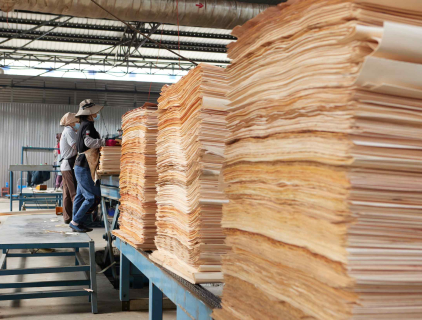
Selecting a veneer dryer is no longer a simple equipment purchase for plywood mills. It is a long-term decision that influences drying cost, veneer quality, glue bonding stability, production rhythm, and factory competitiveness. For buyers comparing a China top veneer dryer factory, the real value…
2026/06/16 17:36
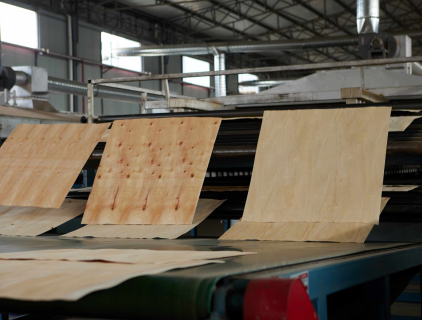
For plywood and veneer workshops with limited floor space, drying is often the first production step that becomes difficult to control. Sun drying may look inexpensive at the beginning, but it depends on weather, labor, yard space, and repeated handling. A compact modular veneer dryer gives small…
2026/06/15 15:42
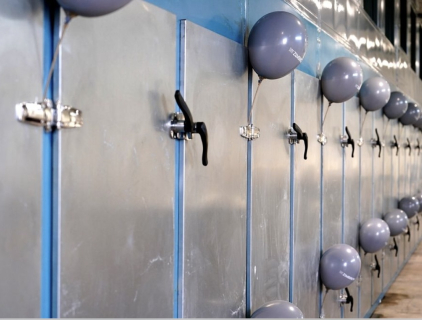
Labor has become one of the least predictable cost factors in plywood and veneer production. Wages rise, experienced operators are harder to retain, and manual feeding or unloading can limit the capacity of an otherwise capable dryer. For many mills, veneer dryer automation is no longer viewed only…
2026/06/12 14:17
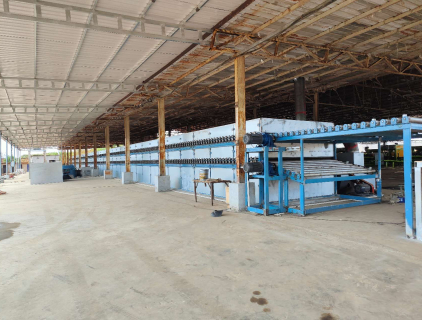
In Southeast Asia’s humid plywood mills, veneer drying does not truly finish when water has been removed in the heating chamber. It finishes when the veneer can leave the dryer, cool down, and remain stable before stacking, gluing, grading, or pressing. This is why the cooling section has become…
2026/06/11 14:34
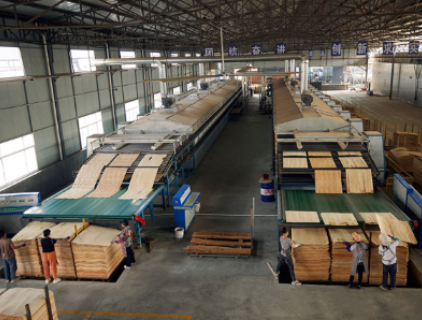
For plywood manufacturers, the drying section is often where profit quietly disappears. Moisture variation, warped sheets, cracked veneer, and excessive fuel use can all show up later as poor glue bonding, panel defects, and unstable output. In this case study, we share how one plywood factory…
2026/06/05 17:32
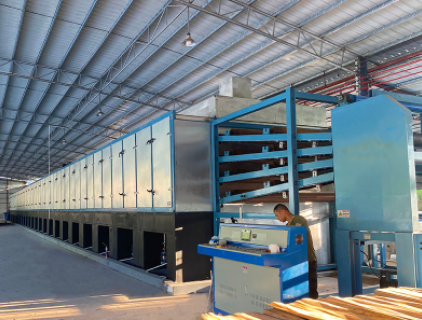
When traditional fuel prices rise by 40%, veneer and plywood mills feel the impact almost immediately in the drying line. Heat is one of the largest energy demands in veneer production, and every increase in fuel cost flows directly into the cost per cubic meter. A practical response is to convert…
2026/06/02 17:07