
Core Veneer Dryer and Face Veneer Dryer Differences
In plywood manufacturing, drying is not a background step. It is where panel strength, surface grade, glue performance, and long-term stability begin to take shape. A veneer dryer may process both core veneer and face veneer, but these two materials do not behave the same way. Core layers carry structural load, while face layers determine visible quality. When a veneer dryer machine is adjusted as if all sheets were identical, mills often see preventable losses: uneven moisture, checking, warping, delamination, or downgraded dryer plywood after pressing.
Why Core Veneer Needs a Different Drying Mindset
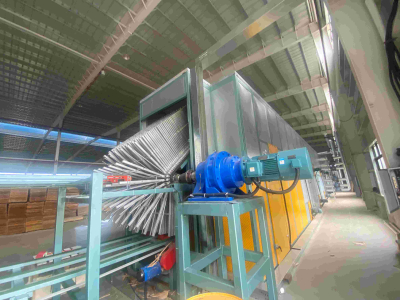
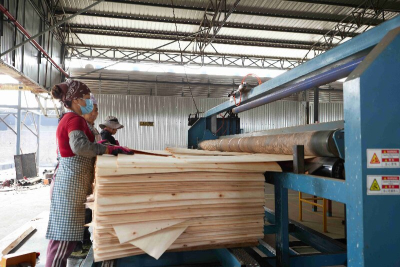
Core veneer forms the inner structure of plywood. It is usually thicker than decorative outer veneer and is expected to support load transfer across the panel. In a typical core veneer dryer process, the priority is efficient moisture removal through the full thickness of the sheet, not only at the surface.
A well-managed core veneer dryer schedule focuses on three practical targets: stable outlet moisture, reduced internal stress, and good flatness before layup. Roller-based systems are commonly used in industry because the transport mechanism supports thicker sheets while helping them stay flat. For plywood mills producing structural panels, packaging boards, or engineered logistics materials, this matters because the core layers influence pressing behavior and finished panel reliability.
If the inner veneer leaves the veneer dryer machine too wet, adhesive curing can be inconsistent. If it is too dry, glue absorption may become poor and brittle areas may develop. Either condition can reduce the value of dryer plywood before the problem is visible on the production floor.
Why Face Veneer Requires Greater Surface Protection
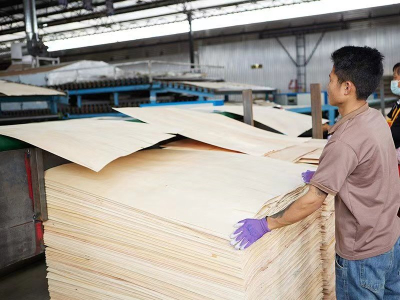
Face veneer is thinner, more delicate, and far more sensitive to surface damage. A face veneer dryer strategy therefore puts appearance and surface integrity ahead of maximum speed. The outer veneer must remain smooth enough for sanding, finishing, laminating, or visible use in higher-grade plywood products.
In contrast with a core veneer dryer, face veneer drying often requires gentler airflow, tighter temperature control, and careful handling. Excessive heat or pressure may cause micro-cracks, surface checking, end waviness, or brittleness. These defects can lower the visual grade of panels even when the inner structure remains acceptable.
This difference explains why many mills treat face veneer as a separate drying category, even when the same veneer dryer line is used. The machine may be physically the same, but the operating logic should change according to veneer thickness, species, incoming moisture, and final product grade.
Core and Face Veneer Dryer Settings Compared
The comparison below summarizes the main operational differences that plywood mills should review before setting a veneer dryer machine for mixed production.
| Process factor | Core veneer drying | Face veneer drying |
|---|---|---|
| Main role in plywood | Internal strength and thickness | Visible surface quality |
| Typical handling priority | Flatness and uniform internal moisture | Smoothness and crack prevention |
| Drying intensity | Often higher, depending on thickness and moisture | More controlled and gentle |
| Machine approach | Roller or continuous systems are common | Mesh, low-pressure, or carefully tuned systems are often preferred |
| Main defect risk | Warping, uneven moisture, weak bonding | Checking, brittleness, visual downgrade |
| Production focus | Stable dryer plywood structure | Higher surface grade and appearance |
The key point is that a veneer dryer should not be evaluated only by heat output or capacity. It should be evaluated by how consistently it produces veneer suitable for the layer position it will occupy in the final panel.
How Drying Affects Glue and Finished Panel Performance
Moisture content after drying has a direct influence on adhesive behavior. In cross-laminated plywood construction, the glue line must bond layers with different grain directions and slightly different physical behavior. Products such as a Plywood Wooden Pallet rely on engineered veneer layers bonded into a stable structure, which makes veneer moisture control highly relevant to downstream performance.
For dryer plywood, the most common bonding risks are easy to understand. Over-dried core veneer may not accept glue evenly. Under-dried veneer can interfere with curing and increase steam-related defects during hot pressing. Moisture imbalance between core and face layers may also create internal stress, leading to deformation after the panel cools.
A properly tuned core veneer dryer reduces these risks by targeting uniform moisture through the sheet, not just a dry surface. At the same time, face veneer drying should protect the outer sheet from stress that could later appear as checking or finishing defects.
Optimizing One Veneer Dryer Line for Mixed Production
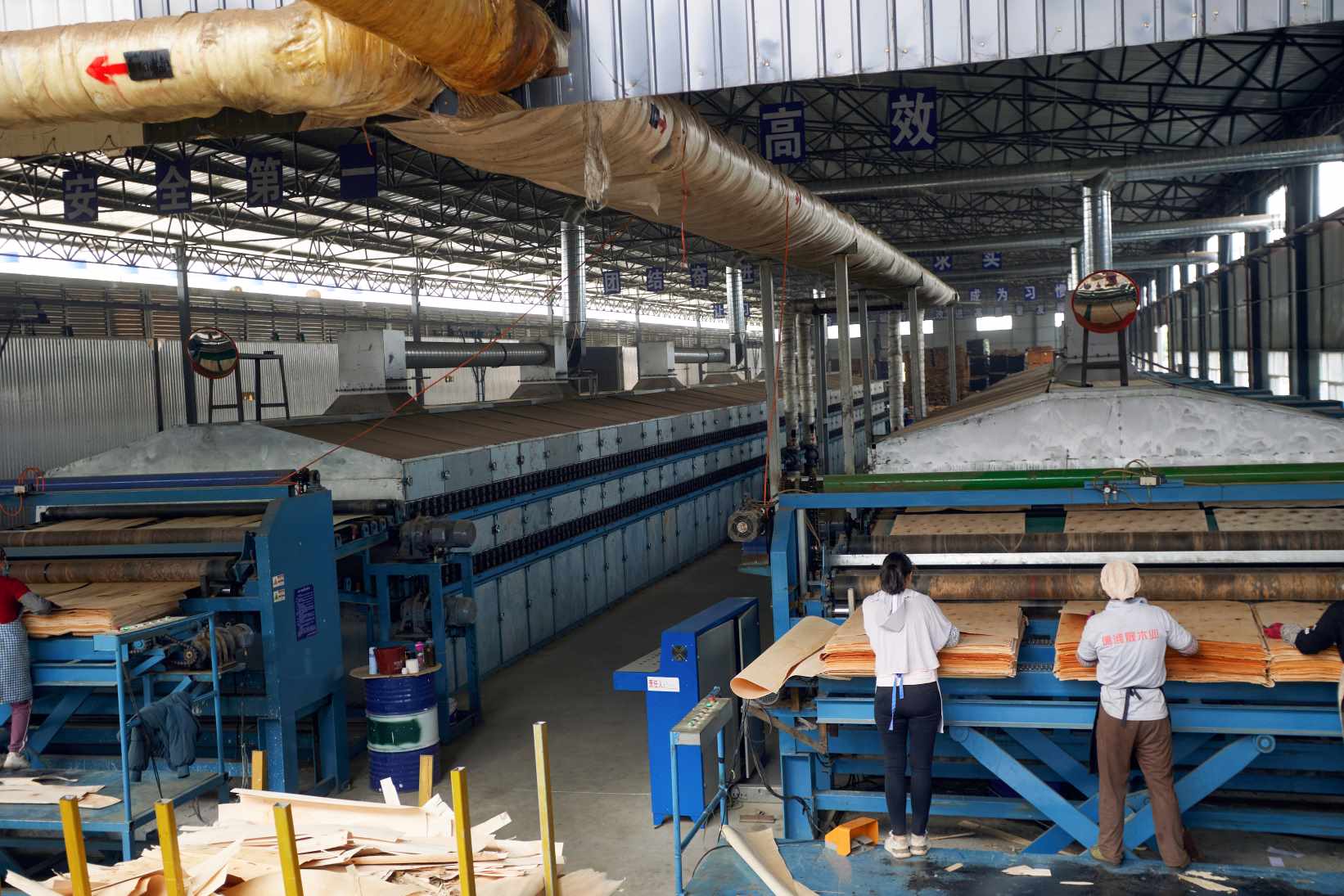
Many plywood mills do not operate separate lines for every veneer type. In that situation, the veneer dryer machine must be flexible enough to handle process changes without sacrificing quality. Operators should avoid using one fixed recipe for all sheets.
A practical tuning sequence can include:
Sort by thickness and moisture before drying. Core and face sheets should not enter the same schedule without classification.
Adjust conveyor speed by veneer type. Thicker core veneer often needs more residence time, while face veneer needs a gentler balance of time and temperature.
Use temperature zones carefully. Higher intensity may help core drying, but aggressive dry-end settings can damage face veneer.
Check outlet moisture frequently. Handheld or inline checks help confirm whether the veneer dryer machine is matching the target range.
Record defects by batch. Warping, checking, and delamination should be traced back to species, thickness, inlet moisture, and dryer settings.
For mills supplying pallet, packaging, or logistics panel producers, moisture discipline is especially important. Engineered plywood products such as a Shipping Plywood Pallet depend on dimensional stability, consistent bonding, and reliable panel construction during handling and transport.
Troubleshooting Common Dryer Plywood Defects
A veneer dryer often leaves clues long before defects become expensive. The challenge is connecting the final panel problem to the drying condition that caused it.

| Defect in dryer plywood | Likely drying cause | Adjustment to review |
|---|---|---|
| Surface checking | Face veneer dried too aggressively | Lower heat intensity or reduce harsh airflow |
| Warped core sheets | Uneven moisture through thickness | Improve heat balance and transport stability |
| Delamination | Veneer moisture outside bonding range | Recheck outlet moisture targets before layup |
| Brittle veneer | Overdrying in the dry end | Slightly increase final moisture target |
| Pressing defects | Moisture imbalance between layers | Separate drying schedules for core and face veneer |
This troubleshooting approach helps mills treat the core veneer dryer not as a stand-alone machine, but as part of the full plywood quality system. When moisture, temperature, speed, and defect records are reviewed together, operators can make smaller adjustments with better results.
What Buyers Should Ask Before Choosing a Dryer Strategy
For procurement teams, the best veneer dryer machine is not always the one with the highest stated output. The better question is whether the system can support the actual product mix: core thickness, face veneer grade, species variation, target moisture, and workshop layout.
Before investing in a new line or modifying an existing veneer dryer, buyers should ask suppliers how the equipment handles mixed veneer types, how speed and temperature are adjusted, and how outlet moisture is monitored. They should also request practical guidance on maintenance, airflow balance, and defect tracking.
A mill producing plywood panels for industrial pallets, reusable packaging, or automated warehouse applications may have different priorities from a mill producing decorative panels. For example, low-profile logistics solutions such as a Low Profile Plywood Pallet place value on consistent panel geometry and reliable engineered construction, making stable drying and bonding conditions part of the broader quality discussion.
Conclusion
The difference between a core veneer dryer and a face veneer dryer strategy is not only about equipment type. It is about matching heat, time, transport, and moisture targets to the function of each veneer layer. Core veneer needs deeper, more uniform moisture removal to support strength. Face veneer needs controlled, protective drying to preserve appearance.
For modern plywood mills, the strongest results come from treating the veneer dryer as a precision process rather than a simple drying chamber. When the veneer dryer machine is tuned for both layer position and final product requirements, mills can reduce defects, improve bonding consistency, and produce more reliable dryer plywood for demanding industrial applications.
FAQs
Can one veneer dryer process both core veneer and face veneer?
Yes. Many mills use one line for both, but the settings should change by veneer type. Thickness, incoming moisture, conveyor speed, and drying temperature all need adjustment.
Why does core veneer usually need stronger drying control?
Core veneer is generally thicker and carries structural responsibility inside the panel. A core veneer dryer must remove moisture evenly through the sheet to avoid internal stress and bonding problems.
What happens when face veneer is dried too aggressively?
Face veneer may develop checking, brittleness, roughness, or visual defects. These issues can reduce panel grade even when the core layers are acceptable.
How does veneer moisture affect glue bonding?
Moisture influences glue spread, penetration, and curing. Veneer that is too wet or too dry can contribute to weak glue lines, deformation, or delamination in dryer plywood.
What should mills monitor around the dryer line?
Key checks include veneer thickness, inlet moisture, outlet moisture, surface condition, flatness, airflow balance, exhaust condition, and defect rates after hot pressing.