
Do Not Size Veneer Dryers by Capacity Alone
For medium-capacity plywood and veneer plants, aiming for a 50–60 m³/day output might seem straightforward at first glance. Yet, in practice, the right decision truly hinges on two interconnected factors that demand careful consideration: your factory footprint and your electricity load. A dryer that perfectly matches your desired daily output but overshoots your available workshop length, transformer capacity, or material-handling space can quickly create an expensive bottleneck. For buyers evaluating a China veneer dryer manufacturer or supplier, the practical question isn't solely about “How many cubic meters per day?” but also, crucial, “Can my plant operate this specific configuration safely, continuously, and economically?”
Why 50–60 m³/day Planning Needs Two Calculations
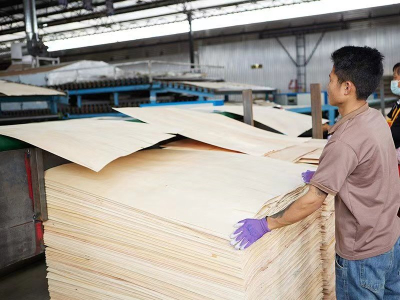
A veneer drying line sits centrally within the production flow. Fresh veneer enters the dryer, its moisture content is brought down to the target level, and then the dried veneer proceeds to gluing, pressing, plywood production, furniture manufacturing, or other wood-based applications. If the dryer is undersized, peeled veneer will inevitably accumulate before it can be dried. Conversely, if it's oversized, the plant may bear the burden of unnecessary installed power, higher hourly electricity demand, and excess floor space requirements.
Hence, medium-capacity plants truly need to assess a Veneer Dryer within the context of their entire production layout, rather than as an isolated machine. Our Shine Machinery product pages illustrate that working width, deck number, heating length, cooling length, total power, and actual electricity consumption vary significantly across different configurations. These values are best examined jointly before a 50–60 m³/day project is finalized.
Capacity Benchmarks from Shine Machinery Configurations
Shandong Shine Machinery Co., Ltd offers various veneer drying configurations with published technical parameters. For a plant aiming for 50–60 m³/day, the most effective method involves comparing nearby capacity ranges and then selecting a configuration that aligns with the actual workshop and utility conditions.
| Configuration reference | Working width | Deck | Capacity reference | Heat source or heating material | Total power | Actual electricity consumption | Footprint or size reference |
|---|---|---|---|---|---|---|---|
| GTH30-28 | 3 m | 1 | About 22–27 m³/day | Waste wood, 140–200°C adjustable | 70 kW | About 46 kWh per hour | About 32 m × 9 m × 2 m |
| GTH30-32 | 3 m | 2 | About 40–45 m³/day | Waste wood, 140–200°C adjustable | 90.5 kW | About 95 kWh per hour | Heating area 28 m, cooling area 4 m |
| GTH30-48 | 3 m | 2 | About 70–80 m³/day | Waste wood, 140–200°C adjustable | 119.5 kW | About 130 kWh per hour | Heating area 44 m, cooling area 4 m |
| GTH30-36 | 3 m | 4 | About 110 m³/day | Biomass burner, waste wood, 140–200°C adjustable | 212.5 kW | About 149 kWh per hour | 47 m × 11 m × 3.5 m |
A 50–60 m³/day requirement typically falls between the 40–45 m³/day and 70–80 m³/day references. This makes it particularly important not to base the choice solely on the closest nameplate capacity. The final selection should carefully consider anticipated operating hours, the incoming moisture content of the veneer, its thickness, the desired final moisture level, the available heat source, and whether the line will incorporate automated feeding or collection systems.
The Footprint Question Is More Than Machine Length
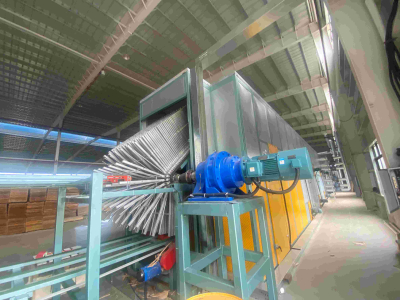
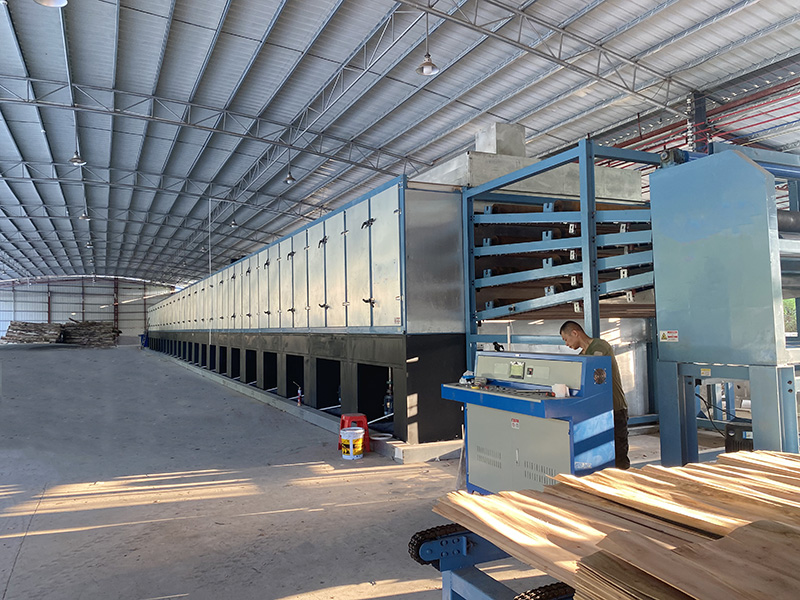
Footprint planning begins with the dryer's physical structure, but it extends far beyond that. The working width and deck structure dictate the basic process capacity, while the heating and cooling areas directly influence the overall line length. Additionally, the factory requires practical room for veneer entry, discharge, inspection, maintenance access, fuel handling, especially if biomass is used, and safe movement around the line.
For instance, the GTH30-28 configuration specifies an approximate covered space of 32 m × 9 m × 2 m. Higher-capacity configurations often list longer heating and cooling sections or larger overall dimensions. Therefore, a medium-capacity 50–60 m³/day plant must thus allocate not just the direct equipment footprint, but also ample straight-line space for smooth material flow. In many factories, the decisive constraint isn't merely the nominal daily output, but rather whether the available building length can support continuous operation without awkward turns, blocked access, or inefficient manual handling.
The Electricity Load Question Is Equally Important
For electricity planning, it's vital to differentiate between total installed power and actual electricity consumption. Our published Shine Machinery parameters include both for several models. For example, the GTH30-32 configuration lists a total power of 90.5 kW and actual electricity consumption of about 95 kWh per hour, while the GTH30-48 configuration specifies a total power of 119.5 kW and actual electricity consumption of about 130 kWh per hour.
This distinction is crucial, as plant owners frequently prioritize fuel costs while neglecting electrical components like fans, traction motors, cold air blowers, air intake fans, and other electrical loads. A roller veneer dryer configuration should always be checked against the plant’s existing transformer capacity, cable sizing, power distribution cabinet, and expected daily operating hours. For a 50–60 m³/day line, the objective isn't simply to minimize power, but to effectively match the electricity load with stable production requirements.
Biomass Heating Can Change the Cost Structure
Several Shine Machinery configurations feature waste wood as a heating material, with adjustable drying temperatures detailed in the product parameters. Our Shine Biomass Burner Veneer Dryer pages also describe a Biomass Burner option that utilizes crushed wood waste as fuel for the dryer. For veneer plants that already generate bark, waste veneer, or other wood residue, this can be a significant factor in optimizing operating costs.
However, biomass heating doesn't eliminate the necessity for careful electrical planning. Fans, conveyors, traction systems, feeding mechanisms, and control systems all still require electricity to function. For medium-capacity plants, the most reliable procurement method is to meticulously calculate both the fuel strategy and the hourly electricity demand before finalizing the equipment layout.
Automation Should Be Included in the Layout Discussion
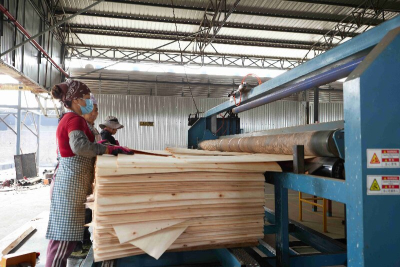
Automation can influence both labor planning and space planning. Our Shine Biomass Burner Veneer Dryer pages mention an automatic veneer feeder and an automatic collection system. These systems can undoubtedly support smoother feeding and collection, but their spatial requirements also need to be integrated into the overall plant layout.
For a 50–60 m³/day project, buyers need to ascertain if the dryer will run with manual feeding, semi-automatic handling, or fully automatic feeding and collection. The answer directly impacts workshop length, the number of operator stations, veneer stacking space, and the operational rhythm between peeling, drying, and subsequent production stages.
A Practical Checklist for Medium-Capacity Buyers
Before selecting a 50–60 m³/day veneer dryer, plant owners should prepare the following details:
Available workshop length, width, and height for the drying line
Target daily dried veneer volume and planned working hours per day
Veneer thickness range and incoming moisture condition
Desired final moisture level before gluing or pressing
Existing transformer capacity and acceptable hourly electricity consumption
Preferred heat source, including whether waste wood is available as fuel
Need for automatic feeding, automatic collection, or manual handling
Space for maintenance access, cooling section, discharge area, and veneer storage
Buyers searching for a China top veneer dryer factory often compare capacity first. A more robust strategy involves evaluating capacity, footprint, electricity load, and automation level concurrently. Shine Machinery’s published configurations offer valuable reference points for this crucial planning process, especially for plants considering mid-capacity roller veneer drying solutions through www.veneersdryer.com.
FAQs
What capacity range should a medium veneer plant consider?
A plant targeting 50–60 m³/day should compare nearby published configurations. The final dryer layout should then be selected based on available workshop space, planned operating hours, veneer thickness, moisture requirements, and existing electricity capacity.
Why is footprint planning important for a veneer dryer?
The dryer's main body, feeding area, cooling section, discharge space, maintenance access, and any potential automation equipment all demand physical room. A machine that appears suitable by capacity might still be impractical if the workshop layout is too restrictive.
Should total power or actual electricity consumption be used for planning?
Both values are important. Total installed power aids in electrical system design, while actual electricity consumption is key for estimating ongoing operating costs. Medium-capacity plants should thoroughly check both figures before procurement.
Can waste wood be used as a heat source?
Certainly. Several Shine Machinery veneer dryer configurations are designed to use waste wood as the heating material. Additionally, biomass burner options are available for various veneer drying applications. Buyers should confirm fuel preparation, storage, and operating conditions during the project planning phase.
Is a 70–80 m³/day dryer always better than a smaller model?
Not always. A higher-capacity dryer generally requires more space and leads to higher hourly electricity consumption. For a 50–60 m³/day target, the optimal choice is the configuration that best balances output, plant layout, utility capacity, and the desired long-term operating rhythm.