
Cold Veneer Mills Need Exhaust Before More Heat
In a northern plywood workshop, the first sign of a drying problem is not always low temperature. It may be water dripping from roof beams, steam collecting near the outfeed, or dried sheets becoming damp again before grading. In cold climate veneer drying, adding a larger burner or increasing dryer temperature helps only if the moisture has a clear path out of the system. The real risk often sits in the exhaust design, ducting route, insulation strategy, and workshop ventilation balance.

Why Heat Alone Cannot Solve Winter Condensation
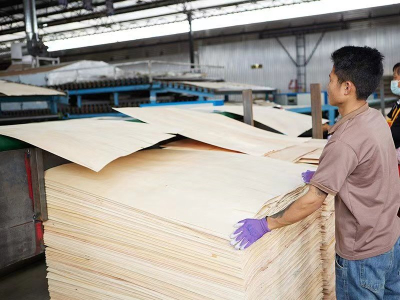
Veneer drying removes water from green sheets by combining heat transfer, air movement, and moisture discharge. If hot, humid air is trapped inside the dryer or released into a cold workshop without proper exhaust, it can cool quickly and reach the dew point. Once that happens, vapor turns into liquid water on cooler surfaces such as ducts, walls, doors, roof structures, or even nearby veneer stacks.
This is why a well-planned veneer dryer system should be evaluated as a full drying environment rather than a heat source only. In cold regions, the dryer must not only raise veneer temperature but also move humid air out fast enough to prevent pre-condensation inside the dryer and visible condensation in the workshop.
A common purchasing mistake is comparing systems mainly by burner type or installed heating capacity. These factors matter, but they do not answer the practical winter question: where does the moisture go after it leaves the veneer?
The Cold Climate Risk Buyers Often Miss
Cold workshops create a sharper temperature difference between the dryer interior and the surrounding air. When high-moisture exhaust meets low-temperature surfaces, condensation can form more easily. Industry literature on vented drying systems describes the same basic mechanism: warm, humid exhaust air may condense when cooled in a cold outlet line or unfavorable installation environment.
For veneer manufacturers, this risk affects more than comfort. Condensation may contribute to wet floors, unstable workshop humidity, re-wetting around the outfeed area, and inconsistent operating conditions. It can also make operators believe that the dryer lacks heat, when the more important issue is moisture removal and airflow organization.
In other words, cold climate veneer drying requires a coordinated design: heating, circulation, exhaust, insulation, and workshop ventilation must work together.
Shine Machinery’s Approach To Moisture Exhaust
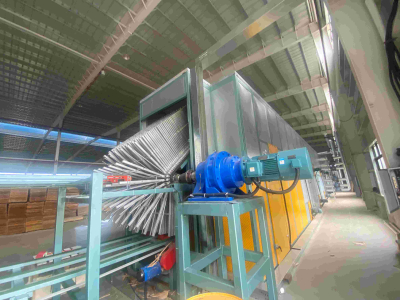
Shandong Shine Machinery Co., Ltd, also known as Shine Machinery, addresses cold-area drying conditions with system-level planning. Its plywood veneer drying machine information describes a patented moisture exhaust system installed on the top of the dryer for northern and especially cold areas. The purpose is to discharge moisture inside the dryer quickly to the outside of the workshop, avoid pre-condensation caused by temperature differences between the inside and outside of the dryer, and keep the dryer interior dry and pressure balanced.

This detail is important for buyers comparing a China veneer dryer manufacturer or China veneer dryer supplier. A dryer designed for a tropical high-humidity site, a dry inland mill, and a northern cold-climate workshop should not use the same ventilation logic. Shine Machinery notes that local ambient conditions influence insulation and ventilation strategies, which is exactly the point many buyers overlook during early equipment selection.
Temperature Control Still Matters But It Is Not Enough
The drying process must still be stable. Shine plywood veneer drying machines use automatic electric control and frequency conversion systems that can adjust transmission speed and temperature according to different veneer thicknesses and moisture content to achieve a suitable drying effect. Related product descriptions also emphasize automatic temperature and speed regulation for controlling final moisture content.
For veneer drying, this matters because sheets entering the dryer may vary in initial moisture, thickness, and species-related behavior. However, even accurate speed and temperature control can be undermined if humid air remains in the wrong place. A stable internal environment depends on exhaust performance as much as heating performance.
A balanced approach looks like this:
| Buyer Focus | What It Solves | What It May Miss |
|---|---|---|
| Bigger heat source only | Faster heating potential | Moisture accumulation, condensation, pressure imbalance |
| Exhaust and ventilation planning | Faster moisture discharge and lower condensation risk | Must still match heat source and production needs |
| Full system design | Heating, airflow, exhaust, layout, and controls work together | Requires site-specific engineering before installation |
Layout Design Is Part Of Condensation Prevention
Cold climate condensation is not solved inside the dryer alone. The workshop layout also matters. Shine Machinery can configure roller-type, mesh-type, or jet-type veneer dryers in straight-line, L-shaped, or multi-level compact footprints according to site conditions. Its project planning includes a complete 3D CAD layout showing the dryer position, maintenance clearance, ducting routes, electrical panel location, and exhaust placement.
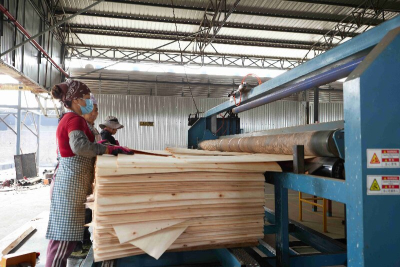
This type of planning is especially relevant when a buyer is searching for a China top veneer dryer factory for a workshop with limited space, low outdoor temperature, or existing upstream and downstream equipment. The dryer infeed must align with green veneer clippers or stackers, while the outfeed should synchronize with graders or glue spreaders. If exhaust outlets, ducting, and maintenance access are treated as afterthoughts, the installation may create moisture pockets even when the dryer itself is well built.
A practical cold-area planning checklist should include:
Confirm where humid exhaust leaves the dryer and exits the workshop.
Review whether ducts pass through cold zones that need insulation attention.
Keep the dryer interior pressure balanced through proper exhaust arrangement.
Match infeed and outfeed angles with existing production equipment.
Reserve maintenance clearance around exhaust, fans, ducts, and control areas.
Prepare foundation, power supply, compressed air for pneumatic controls, and fire suppression readiness before installation.
Heat Source Choice Should Match The Site
Shine Machinery adapts heating systems to the customer’s available fuel, including biomass from wood residues, natural gas, steam from a central boiler, thermal oil, or electric heating. For mills with wood waste streams, a biomass burner may be considered as part of the overall drying line. For other plants, the better option may depend on local energy price, boiler infrastructure, operating habits, and workshop layout.
The key point is that heat source selection should not be separated from exhaust planning. A high-output heat system can increase evaporation, which means more moisture must be removed. If the exhaust system is undersized, poorly placed, or exposed to cold surfaces without proper planning, the workshop may still face condensation problems.
What Buyers Should Ask Before Ordering
International buyers evaluating cold climate veneer drying solutions should ask engineering questions early, not after the equipment arrives. Useful questions include:
How will the dryer discharge moisture outside the workshop?
Is the exhaust system positioned for cold-area condensation prevention?
Does the supplier provide a 3D layout showing ducting routes and exhaust placement?
Can the dryer layout adapt to existing clippers, stackers, graders, or glue spreaders?
How are temperature and transmission speed controlled for different veneer thicknesses and moisture levels?
What foundation, utility, and installation preparations are required before shipment?
These questions make procurement more practical. They also help buyers compare veneer dryer systems by real operating conditions rather than catalog descriptions alone.
The Better Standard For Cold Climate Veneer Drying
Cold-area drying should be judged by whether the whole system keeps moisture moving in the right direction. Heat evaporates water from wood veneer; exhaust removes that water from the dryer and workshop; ventilation and insulation reduce the chance of condensation returning as a production problem.
For mills in northern or winter-prone regions, the most dependable strategy is not simply “more heat.” It is a coordinated veneer dryer design with controlled temperature, suitable speed regulation, planned ducting, effective moisture exhaust, and workshop-specific installation engineering. Shine Machinery’s emphasis on site variables, 3D CAD layout, adaptable heat sources, and top-mounted moisture exhaust for cold areas reflects the kind of system thinking buyers should prioritize.
FAQs
Why does condensation appear around a veneer dryer in winter?
Condensation appears when warm, moisture-rich air from the drying process meets colder surfaces or cold exhaust paths. If humid air is not discharged quickly and properly, water can collect on ducts, walls, roofs, and nearby equipment.
Is a larger heat source the best way to improve cold climate veneer drying?
Not by itself. A stronger heat source may evaporate more water, but that moisture still needs to leave the dryer and workshop efficiently. Exhaust design, pressure balance, and ventilation layout are equally important.
What does Shine Machinery do for cold-area moisture control?
Shine plywood veneer drying machine information describes a patented moisture exhaust system installed on top of the dryer for northern and cold areas. It is designed to discharge moisture outside the workshop, avoid pre-condensation, and keep the dryer interior dry and pressure balanced.
What should buyers prepare before veneer dryer installation?
Buyers should review foundation requirements, power supply, compressed air for pneumatic controls, fire suppression readiness, maintenance clearance, and the connection between upstream and downstream equipment.
Can dryer layout affect condensation risk?
Yes. Dryer position, ducting route, exhaust outlet location, and workshop airflow can all influence whether humid air exits cleanly or collects in cold areas of the building.