
In plywood veneer drying, a high-capacity veneer dryer machine is only one piece of the result buyers care about: stable, continuous Drying Veneer at the target moisture level without bottlenecks. In practice, the infeed (how green sheets enter), the drye
In plywood veneer drying, a high-capacity veneer dryer machine is only one piece of the result buyers care about: stable, continuous Drying Veneer at the target moisture level without bottlenecks. In practice, the infeed (how green sheets enter), the dryer section (how heat and conveying are managed), and the outfeed (how dried sheets are received and stacked) are tightly linked. When feeding and collection lag behind, the line’s real throughput can fall short of what the dryer’s headline capacity suggests.

Rated Capacity Is Not the Same as Real Line Output
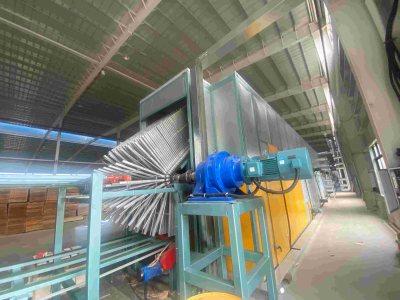
A complete Veneer Drying System is best understood as a flow: feeding green veneer, conveying and drying inside the machine, then receiving and stacking at discharge. A line can only run as fast as its slowest step.
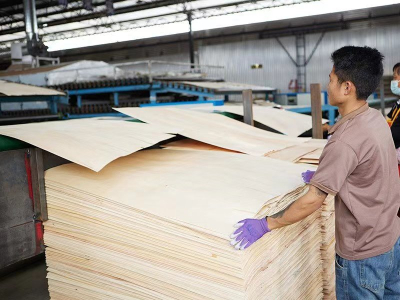
This is why procurement teams increasingly evaluate plywood veneer drying as a coordinated operation rather than a standalone purchase. If sheets are not placed consistently at the infeed, decks can run under-loaded or experience interruptions. If the discharge end cannot keep up, the dryer may still heat well, but the operation can lose time while workers reorganize sheets.
Shine Machinery’s product descriptions for its roller dryer configurations explicitly connect automation with operational stability: feeding accuracy, jam reduction, and tidy stacking are described as practical contributors to real-world throughput.
Automatic Loading System for More Consistent Feeding
Manual feeding often depends on operator rhythm and sheet positioning. For multi-deck roller dryers, small placement deviations can affect smooth conveying. Shine Machinery positions automated feeding as a way to reduce labor intensity while improving consistency.
The Automatic Loading System is described as follows:
It can “significantly reduce the deviation in veneer placement,” supporting smooth running in the dryer and helping avoid veneer jamming.
The automatic veneer feeder is specified as installable with 2-deck, 3-deck, and 4-deck veneer roller dryers, and the same product overview also lists 6-deck compatibility.
The action time from fetching green veneer to unloading onto the feeding platform is stated as about 2.5–3 seconds per time.
The feeding method is stated as air blower (not vacuum suction).
A published power breakdown for this automatic loading configuration totals 15.1 kW, including items such as a lift servo motor (3 kW) and a hydraulic pressure station (4 kW). The same product description also notes that replacing manual board feeding can reduce operational intensity, with only 1–2 personnel per end of the dryer.
For buyers focused on plywood veneer drying, the key question is not only whether the dryer heats well, but whether the infeed can keep the decks consistently utilized without frequent stops.

Looking at the line this way helps prevent a common procurement mistake: selecting a dryer by rated evaporation or nameplate output while giving too little attention to how veneer actually arrives at the machine entrance. Stable feeding matters because even a well-heated dryer cannot compensate for empty pockets, irregular spacing, or repeated stops caused by poor sheet presentation.
Collection and Stacking Should Be Evaluated Alongside the Dryer
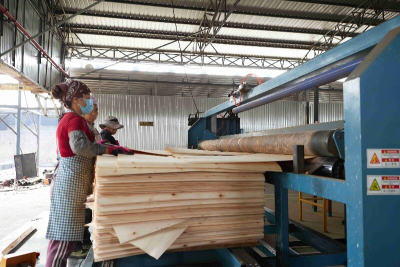
Feeding automation addresses the front end of Drying Veneer, but discharge handling often determines whether the line can actually run continuously.
On Shine Machinery’s 4-deck roller dryer configuration, the dryer is described as being equipped with a fully automatic veneer feeding system and a semi-automatic collection system. The Plywood Roller Drying Machine page emphasizes that the automatic loading system saves labor and improves loading accuracy while reducing the risk of jams. It also states that the automatic unloading system can reduce labor intensity for workers, delivering “precise and neat stacking” and “high unloading efficiency.”
The same configuration is described as automatically adjusting transmission speed in line with temperature changes inside the dryer, intended to support an “ideal drying effect” and reduce situations where veneers are over-dried or where drying does not meet process requirements.
From a procurement standpoint, this matters because the output of a veneer dryer machine is not only tied to heat and airflow—it is also tied to how reliably sheets enter and exit the machine. For capacity planning in plywood veneer drying, buyers often compare complete line configurations (feeding + drying + collection) instead of comparing dryer bodies alone.
Vertical Veneer Dryer or Low Cost Veneer Dryer Which Fits Your Plant
Different plants prioritize different constraints: available floor space, target output, energy cost expectations, labor structure, and veneer type. Shine Machinery provides both roller-type solutions and vertical options for Drying Veneer, giving buyers multiple ways to configure a Veneer Drying System.
Low Cost Roller Configuration
The Low Cost Veneer Dryer Machine is listed with the following published specifications:
Type: roller veneer dryer
Working width: 3 m
Veneer thickness: 0.8–8 mm
Heating area length: 32 m
Drying capacity: 50–60 m³/day
Heat source: biomass burner (other options available)
For buyers, a practical takeaway is that a Low Cost Veneer Dryer should still be evaluated as part of a full Veneer Drying System. Even when daily capacity is stated, real throughput depends on feeding rhythm and discharge organization in the actual production layout.
Vertical Veneer Dryer for Core Veneer Drying
Shine Machinery’s vertical line is presented as a core-veneer-focused option. The Vertical Veneer Dryer information highlights several points:
Drying cost is stated as less than $8/m³, described as 30–60% of the drying cost of other dryers.
Output and model example (FBH30-13): 2 m³/h, machine size 13×3×4 m, total power 15 kW, and fuel consumption 200 kg/h.
Moisture content statement for the FBH30-13 model: fresh veneer dried to 0–5%.
Loading capacity is described as 30–80% higher than other dryers due to the vertical plywood method.
A separate description of the vertical core veneer dryer notes three-dimensional loading and states that the equipment footprint can be only two-thirds of the roller dryer area.
For mills considering a Vertical Veneer Dryer as part of plywood veneer drying, the same principle still applies: it is worth confirming how feeding and discharging will be organized so that the vertical layout’s loading advantages translate into stable, shift-by-shift output.
A Practical Buyer Checklist for a Complete Veneer Drying System
When buyers compare a veneer dryer machine across suppliers, the most useful questions are usually the ones that connect equipment specs to day-to-day operating flow:
Line definition: Is the quote limited to the dryer body, or does it include feeding and receiving/stacking for the full Veneer Drying System?
Feeding method: For automated options, what is the stated action time per feeding cycle, and what is the feeding mechanism (for Shine Machinery’s automatic loading, air blower is specified)?
Labor planning: How many operators are needed at each end during normal operation (the automatic loading system description states 1–2 personnel per end)?
Deck compatibility: If buying a roller dryer, confirm deck configuration compatibility for the feeder (2/3/4 decks are explicitly listed, and 6-deck is also referenced).
Outfeed handling: Is there a semi-automatic or automatic unloading/stacking arrangement, and what is the expected stacking outcome (the 4-deck configuration describes precise and neat stacking)?
Drying cost framing: Where provided, compare operating costs in the same units. Shine Machinery’s biomass dryer description, for example, states a composite drying cost of $6–12 per cubic meter for a 40 m 2-deck veneer dryer with a drying capacity of 2.5 m³ per hour (labor + fuel + electricity).
In industry literature, mechanization of feeding and stacking is commonly discussed as a way to improve utilization of drying space and reduce handling interruptions. For procurement teams sourcing from a China-based supplier shortlist (including vendors that present themselves as a “China veneer dryer manufacturer” or “China veneer dryer supplier”), the most reliable comparisons typically come from reviewing complete configurations rather than isolated equipment prices.
For product specifications and configuration options referenced in this article, visit www.veneersdryer.com.
FAQs
What is included in a Veneer Drying System besides the veneer dryer machine?
A Veneer Drying System is typically evaluated as feeding green veneer, drying/conveying inside the dryer, and receiving/stacking dried sheets at discharge.
What is Shine Machinery’s stated feeding action time for its Automatic Loading System?
The action time from fetching green veneer to unloading to the feeding platform is stated as about 2.5–3 seconds per time.
Does the Automatic Loading System use vacuum suction?
No. The feeding method is described as air blower, not vacuum suction.
Which roller dryer deck configurations are listed as compatible with the automatic veneer feeder?
Compatibility is listed for 2-deck, 3-deck, and 4-deck roller dryers, and the product overview also references 6-deck compatibility.
What are the published specs for the Low Cost Veneer Dryer Machine?
It is listed as a roller veneer dryer with 3 m working width, 0.8–8 mm veneer thickness range, 32 m heating area length, and 50–60 m³/day drying capacity, with a biomass burner noted as the heat source (other options available).
What drying cost is stated for the Vertical Veneer Dryer line?
The vertical dryer feature list states a drying cost of less than $8/m³, described as 30–60% of the drying cost of other dryers.
What does Shine Machinery state about automation on its 4-deck roller dryer configuration?
It is described as having a fully automatic feeding system and a semi-automatic collection system, with automatic transmission-speed adjustment aligned with temperature changes inside the dryer.