
How to Calculate the Right Capacity for Your Veneer Dryer When Producing Dryer Plywood
In plywood production, the drying stage often decides whether the whole line runs smoothly or waits for material. When a veneer dryer is too small, downstream assembly and hot pressing can lose rhythm; when it is oversized, energy and floor space may be wasted. For factories producing dryer plywood for pallets, packaging panels, or engineered load carriers, capacity planning starts with moisture targets, veneer thickness, working hours, and real production mix rather than a single nameplate number.
Why Veneer Dryer Capacity Matters for Dryer Plywood Quality
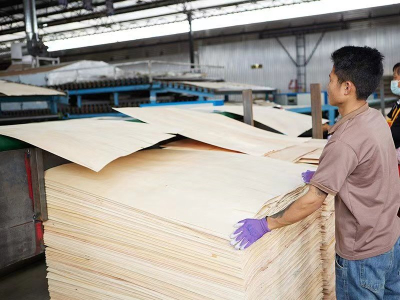
A veneer dryer machine is not only a throughput device. It prepares veneer for bonding, pressing, and dimensional stability. In plywood pallet manufacturing, veneers are commonly dried to about 8–12% moisture before panel assembly. This range supports adhesive penetration and helps reduce risks such as warping, twisting, and delamination during service.
For products such as a plywood pallet, stable veneer moisture is especially important because the finished pallet may face vibration, humidity changes, stacking pressure, and repeated handling. A correctly sized core veneer dryer helps maintain a consistent supply of dried veneer without forcing operators to accelerate drying beyond the material’s moisture behavior.
Key Inputs Before Calculating a Veneer Dryer Machine
Before selecting or adjusting a veneer dryer, list the variables that define your actual operating condition. These inputs are more useful than comparing equipment size alone.
| Input | Why It Matters |
|---|---|
| Veneer thickness | Thicker sheets usually require longer residence time. |
| Sheet length and width | Determines the surface area and volume entering the dryer. |
| Initial moisture content | Higher incoming moisture increases drying load. |
| Target moisture content | Dryer plywood usually needs controlled moisture for reliable bonding. |
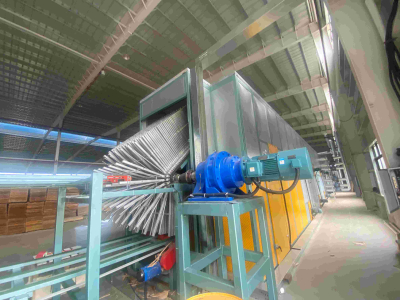
| Dryer length and width | Defines how much veneer can be inside the dryer at one time. |
| Number of decks | A multi-deck core veneer dryer can raise volume capacity if heat and airflow are adequate. |
| Conveyor speed or residence time | Controls how long each sheet stays in the drying zone. |
| Operating hours | Converts hourly output into shift or daily production. |
These factors interact. For example, adding decks may improve output, but only when airflow distribution and heat supply remain balanced across each layer.
A Practical Veneer Dryer Capacity Calculation
For early planning, many mills use a simple volume-based estimate. It is best treated as a production planning baseline and then checked against actual moisture readings at the dryer outlet.
Example inputs:
Dryer length: 12 m
Dryer width: 4.4 m
Veneer thickness: 1.8 mm, or 0.0018 m
Time factor: 0.25
Decks: 4
Capacity (m³/h) = Length × Width × Veneer Thickness × Time Factor × Decks
Capacity = 12 × 4.4 × 0.0018 × 0.25 × 4Capacity = 1.58 m³/h
To estimate daily output:
Daily capacity = 1.58 × 24Daily capacity ≈ 38 m³/day
In practice, this veneer dryer machine could support roughly 38 m³ of dried veneer output per day under the stated conditions. If the target is lower moisture, the same core veneer dryer may need slower conveyor speed, longer residence time, or fewer sheets per hour.
Moisture Control Is as Important as Capacity
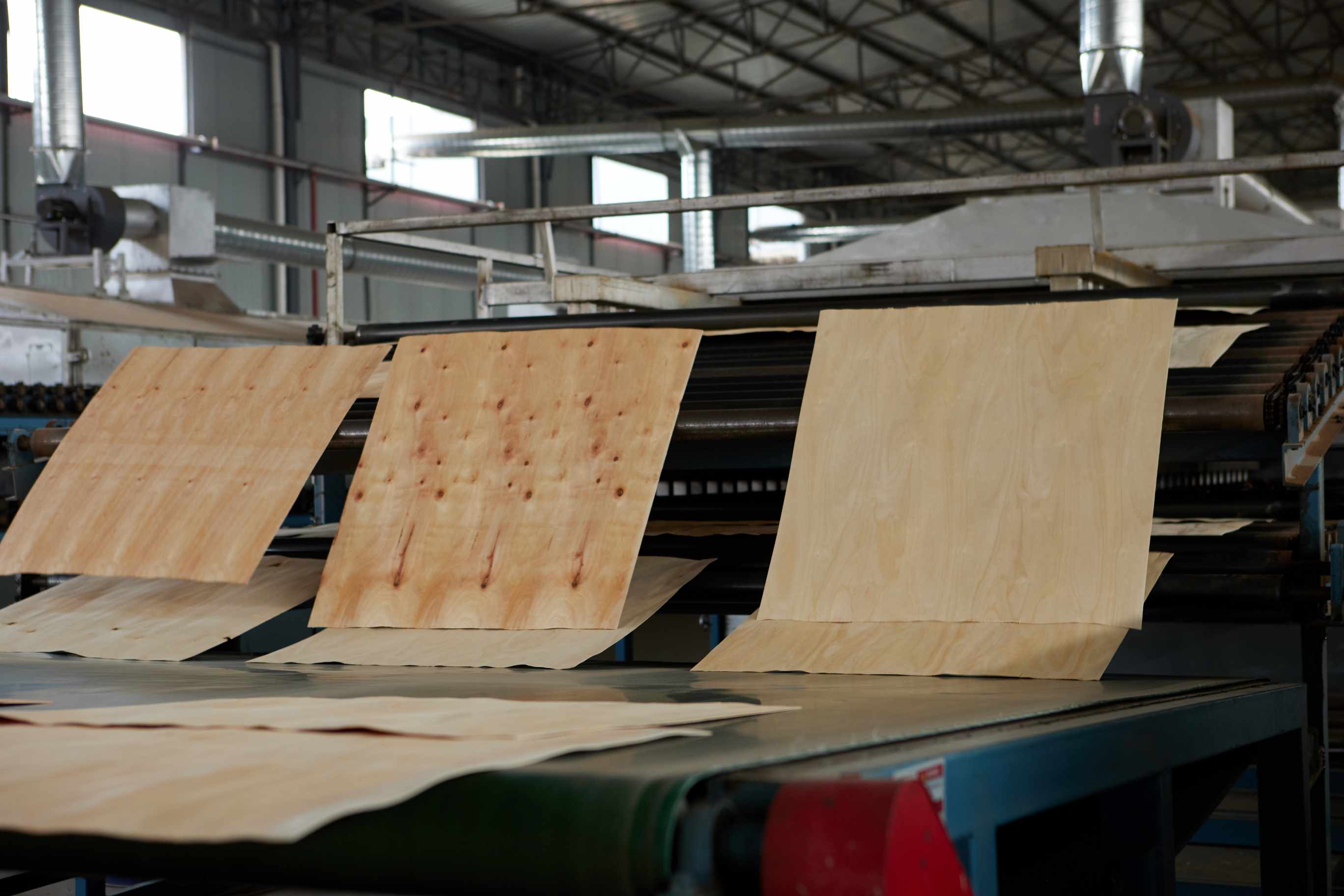
Capacity without moisture control can create hidden quality problems. Under-dried veneer may weaken bonding, while over-dried veneer can affect adhesive absorption and surface performance. For dryer plywood, the goal is not simply to remove water quickly; it is to deliver veneers within a stable moisture window before glue spreading and pressing.

This is why plants compare calculated output with moisture measurements from different points across the dryer width. If edge sheets and center sheets leave the veneer dryer at noticeably different moisture levels, the issue may be airflow balance rather than nominal capacity. In that situation, raising speed to chase higher output can make quality variation worse.
Matching a Core Veneer Dryer to Production Needs
The right veneer dryer machine should match the daily requirement of the assembly and pressing line. A useful approach is to work backward from finished output. If a pallet or panel line needs a certain volume of dried veneer per shift, the drying stage should supply that amount with room for normal grade changes, species differences, maintenance stops, and moisture variation.
For dryer plywood used in logistics products, consistency often matters more than maximum speed. Plywood pallet pages commonly emphasize kiln-dried stability, precision veneer selection, and bonding systems because moisture preparation influences final structural reliability. In related molded pallet production, wood-based raw materials are also dried before adhesive mixing and hot pressing, showing how moisture control remains a shared principle across engineered wood manufacturing.
How to Improve Veneer Dryer Output Without Sacrificing Quality
After the baseline calculation, operators improve the veneer dryer process through practical adjustments:
Set conveyor speed by thickness. Thin veneer may tolerate faster movement, while thicker core sheets need more residence time.
Segment temperature control. Higher heat can be more useful early in drying, while lower heat near the end can reduce energy waste and surface stress.
Check airflow uniformity. Balanced airflow helps a core veneer dryer dry sheets more evenly across the full working width.
Monitor inlet and outlet moisture. Moisture tracking is the fastest way to confirm whether a capacity estimate matches real production.
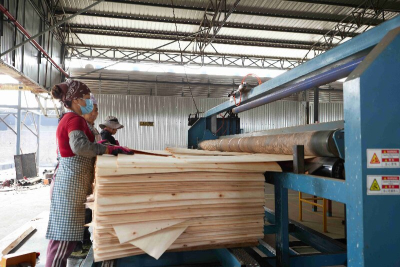
Synchronize with pressing. The dryer should feed the glue spreader and press at a steady rate, not in uneven batches.
These steps help a veneer dryer machine support stable production instead of becoming a bottleneck or a source of material defects.
Key Takeaways for Dryer Plywood Production
Calculating capacity is not just a mathematical exercise. A well-matched veneer dryer protects production flow, adhesive performance, and finished panel stability. Start with sheet size, thickness, deck count, residence time, and operating hours; then validate the result with real moisture measurements. For dryer plywood used in pallets and export packaging, the strongest plan is the one that balances volume, moisture consistency, and downstream processing speed.
FAQs
What moisture content is commonly targeted before plywood assembly?
For plywood pallet production, veneers are commonly dried to about 8–12% moisture before panel assembly to support bonding and dimensional stability.
Why can a veneer dryer become a production bottleneck?
A dryer becomes a bottleneck when its hourly dried veneer output is lower than the demand from assembly, glue spreading, or pressing operations.
Does adding more decks always increase output?
More decks can increase output, but only when heat supply, airflow, and sheet movement remain consistent across all layers.
What should be checked after calculating dryer capacity?
Operators should check outlet moisture, moisture variation across the sheet width, veneer flatness, and whether downstream equipment receives a steady supply.
Is maximum speed the best goal for dryer plywood production?
Not always. For dryer plywood, stable moisture and reliable bonding are usually more valuable than simply increasing conveyor speed.