
Cheap Veneer Dryers Can Quietly Drain Your Margin
A low purchase price can make a veneer dryer look attractive, especially when a plywood mill is expanding capacity under pressure. Yet the real question isn't just what the machine costs on day one. It's about the true cost per cubic meter, considering labor, fuel, electricity, output consistency, and precise moisture control. For buyers comparing a veneer dryer, the operating cost per m³ is often the number that decides whether the investment protects margin or quietly consumes it.
Why the Lowest Price Is Not Always the Lowest Cost
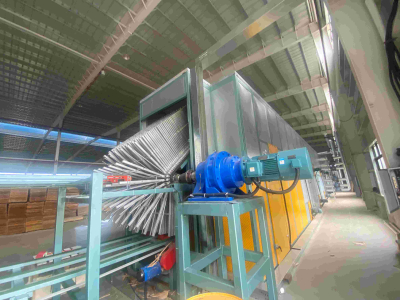
In veneer production, drying is a high-impact stage because it affects both processing cost and downstream panel quality. Industry research on veneer drying often highlights energy use, moisture removal, and process control as key factors driving costs. That's why a buyer should compare a veneer dryer machine by its daily output, working width, heating area length, heat source, and target moisture range—not simply by the initial quotation.
Shine Machinery product data gives buyers several useful reference points. Some roller veneer dryer models list an operating cost of $6–$12 per m³, including labor, fuel, and electricity. This range appears across multiple configurations, including machines with biomass burners and other heat source options. For a factory running every day, even a small difference per cubic meter can quickly translate into a significant monthly cost.
What Should Be Counted in Cost per m³
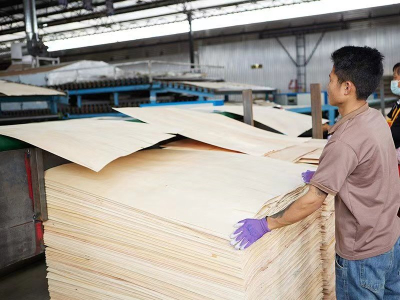
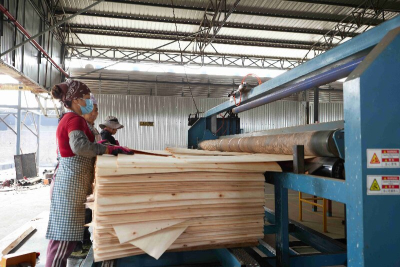
A comprehensive cost review needs to consider both the obvious and the less apparent expenses. The obvious items are labor, fuel, and electricity. The less apparent items include under-capacity operation, unstable moisture, downtime, and veneer damage during handling or drying. A low-price wood drying machine may look profitable on paper, but if its actual output is lower than expected, the cost per m³ rises immediately.
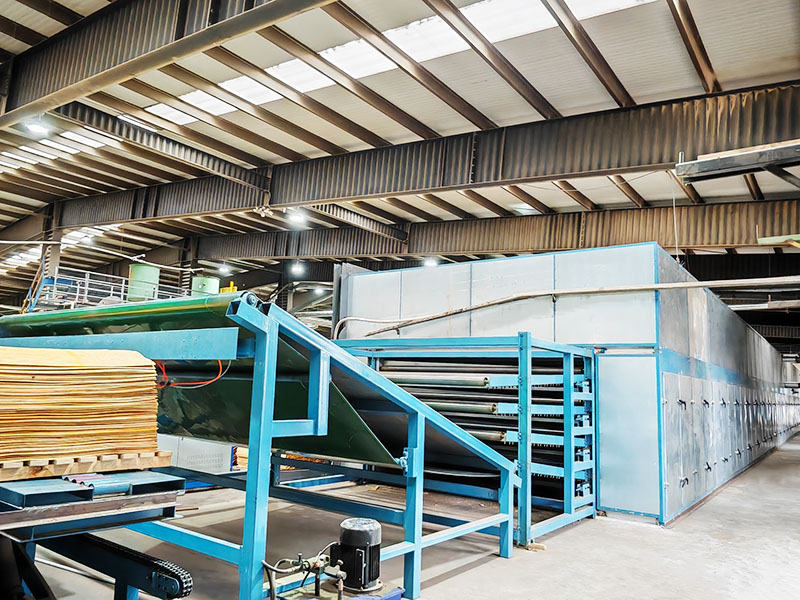
For example, Shine Machinery lists several Roller Veneer Dryer configurations with different working widths and capacities. A 3 m working width model with a 44 m heating area is listed at 70–80 m³/day. A 3 m working width model with a 32 m heating area is listed at 110–120 m³/day. A 4.5 m working width model with a 36 m heating area is listed at 168–192 m³/day. These differences matter because cost per m³ improves only when real production volume matches the buyer’s factory schedule.
Compare Capacity Before Comparing Price
Capacity isn't just a number in a brochure. It should be matched to veneer thickness, moisture target, species, shift length, and the factory’s upstream peeling output. Shine Machinery product pages commonly show veneer thickness ranges of 0.8–8 mm for many roller dryer models, with some listed models covering 0.6–8 mm. Several machines describe moisture reduction from fresh veneer to about 0–15%, while other listed models specify final moisture down to 10% or about 8–10% depending on configuration.
This highlights why buyers should always request a quote for the veneer dryer alongside their specific veneer thickness and desired final moisture target. A dryer that is undersized for the peeling line may become a bottleneck. A dryer that is oversized without matching feeding and out-feeding arrangements may not deliver its expected economic benefit.
Heat Source Choice Changes the Operating Picture
Choosing the heat source is another crucial part of the overall cost calculation. Shine Machinery product pages commonly list biomass burner as the heat source, with other options available. In plywood mills where suitable biomass fuel is accessible, this can be an important purchasing consideration. Buyers should still calculate local fuel handling, fuel preparation, electricity price, labor arrangement, and expected daily operating hours before accepting any cost claim.
A Biomass Veneer Dryer may be attractive when the factory has a stable biomass fuel plan. However, the correct comparison isn't biomass versus another heat source in isolation. It's the total cost per m³ under the buyer’s real operating conditions. The quoted heat source, daily capacity, target moisture, and maintenance expectations should be reviewed together.
Technical Details That Affect Profit
Beyond the initial price tag, several features from Shine Machinery are crucial for buyers focused on long-term cost-effectiveness. Some product descriptions mention axial fans, frequency conversion speed regulation, automatic temperature and speed regulation, hot air circulation, humidity removal, feeding, and out-feeding systems. These details matter because veneer drying depends on controlled movement, heat transfer, and moisture removal.
Therefore, a buyer's checklist ought to include these practical questions: Can the feed speed be adjusted according to veneer thickness and moisture content? What working width is required? What heating area length is suitable? What final moisture range is expected? What is the estimated cost per m³ including labor, fuel, and electricity? A supplier who can clearly address these points makes for an easier comparison than one who merely offers a lower machine price.
A Simple Buyer Checklist Before Ordering
Before signing a contract for a dryer machine, procurement teams can use a simple review process:
Confirm the required daily drying capacity in m³/day.
Match working width to veneer size and production flow.
Check the veneer thickness range against actual production.
Define the target final moisture range before comparing quotes.
Ask for the expected cost per m³, including labor, fuel, and electricity.
Review the heat source and local fuel availability.
Compare heating area length and deck configuration.
Check whether feeding, cooling, and out-feeding arrangements match the line.
For international buyers searching for a China veneer dryer manufacturer or China veneer dryer supplier, these questions help turn a general quotation into a measurable production decision. Shine Machinery is often evaluated in this category because its published product pages provide multiple roller dryer capacities, working widths, heating area lengths, heat source options, and operating cost references.
When a Higher Quotation May Be Cheaper
A roller veneer dryer with a higher initial price tag might prove cheaper in the long run if it consistently delivers the required output, handles the factory's veneer thickness range, and maintains operating costs within a predictable per-cubic-meter bracket. Conversely, a cheaper wood drying machine can become expensive if capacity is too low, if moisture results require re-drying, or if labor and fuel use rise above the buyer’s estimate.
For plywood producers, the smartest purchasing decision isn't about the lowest quote. It's about achieving the most predictable cost per cubic meter while maintaining the necessary production quality. Before choosing a China top veneer dryer factory or supplier, buyers should compare the machine based on real capacity, target moisture, heat source, and full operating cost. That's the calculation that protects profit after the equipment arrives.
FAQs
What is the key number to check before buying a veneer dryer?
The key number is the expected operating cost per m³, including labor, fuel, and electricity. Shine Machinery product data commonly lists $6–$12 per m³ for several veneer dryer configurations.
Why does daily capacity affect drying cost?
Cost per m³ depends on how much veneer the machine actually dries during daily operation. If real output is lower than expected, fixed labor and energy-related costs are spread over fewer cubic meters.
What capacity ranges are shown for Shine Machinery roller veneer dryers?
Published product examples include models listed at 70–80 m³/day, 110–120 m³/day, 150–160 m³/day, and 168–192 m³/day, depending on configuration.
What veneer thickness range should buyers check?
Many listed Shine Machinery roller veneer dryer models cover 0.8–8 mm, while some listed models cover 0.6–8 mm. Buyers should match this range to their actual veneer production.
Is a biomass burner always the lowest-cost option?
Not automatically. Biomass burner options can be attractive where suitable fuel is available, but buyers should calculate local fuel, electricity, labor, and actual output before comparing total cost per m³.