
Match Veneer Use Before You Expect 30–80% More Loading
In plywood veneer drying, the biggest buying mistake is chasing a headline loading number before confirming whether the dryer matches the veneer’s actual use. A Vertical Veneer Dryer can be a strong Veneer Drying System for core plate, partial surface, and bottom plate work—especially where flatness requirements are lower and thicker veneers are common. But the well-known “30–80% higher loading capacity” only becomes meaningful after the veneer dryer machine is matched to veneer application, thickness, and target moisture.

Why veneer application comes first in plywood veneer drying
For most mills, Drying Veneer is not an isolated step—it sets up gluing, layup, and downstream stability. That is why a Veneer Drying System should be selected in the same order the production line “feels” problems: veneer application → thickness → acceptable flatness → moisture target → capacity.
A Vertical Veneer Dryer is described as mainly used for drying core plate, partial surface, and bottom plate, and it is positioned for veneers with low flatness requirements. In practical procurement terms, this means the vertical plywood method is best evaluated where the end product tolerates that flatness profile—rather than assuming that any plywood veneer drying line benefits equally from vertical loading.
Where a Vertical Veneer Dryer fits best
As a veneer dryer machine category, vertical tunnel-style designs are commonly associated with plywood core work. In the referenced product descriptions, the vertical tunnel-type core veneer dryer is described as suitable for:
Core plate
Partial surface (selected use cases)
Bottom plate
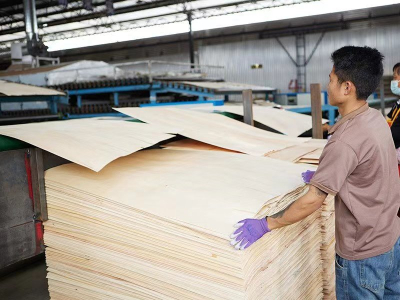
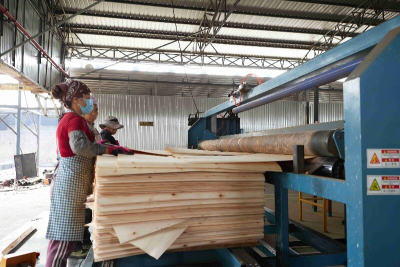
Veneers produced in a “cutting first and then drying” workflow, especially for thick veneers
This is also why many buyers treat a Vertical Veneer Dryer as a specialized Low Cost Veneer Dryer option for core layers: the process goals (stable moisture and acceptable flatness for inner plies) are different from what some mills demand for appearance-focused faces.
For readers comparing product pages, see the dedicated description of the Vertical Veneer Drying Machine for the stated application scope and operating setup.
How the Veneer Drying System is organized
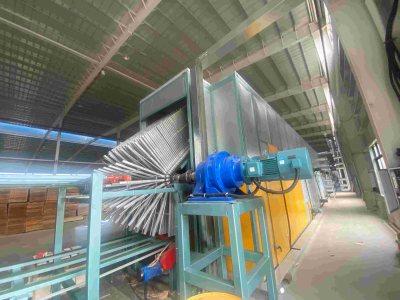
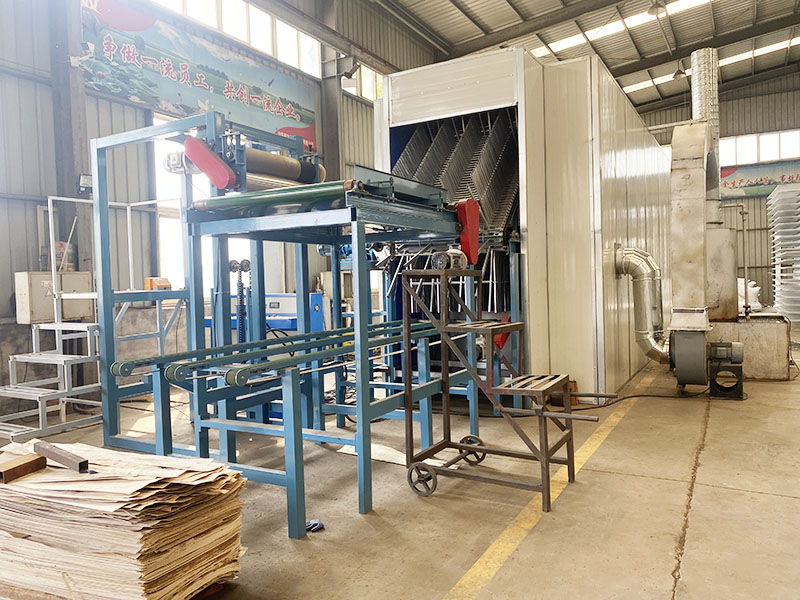
The vertical tunnel-type Veneer Drying System is described as being composed of four functional parts:
Feeding area
Heating area
Cooling area
Discharging area
For material movement, the design is described as using a chain to bring veneer or finished board into the drying room for circulating drying. Performance-oriented language in the product information emphasizes uniform airflow, steady temperature, and a countercurrent drying cycle to support faster drying and more uniform quality.
Because plywood veneer drying is sensitive to operating choices, the vertical configuration is also described as allowing adjustment of key parameters such as air volume, heating temperature, material residence time, and feeding speed. The equipment is also described as adopting a flap structure; during drying, the material keeps turning with the flap, which is intended to support consistency.
What “30–80% higher loading capacity” really means
The most-cited reason buyers consider a Vertical Veneer Dryer is the vertical plywood method, which is described as increasing veneer loading capacity by 30–80% compared with other dryers. The core point for procurement is that this advantage is structural—it comes from how material is loaded and arranged in the drying volume.

However, even when a veneer dryer machine can load more at once, the useful output still depends on the moisture target and the time required to reach it. That is why the loading claim is best treated as a conditional benefit: it tends to be most valuable when the dryer is applied to core plate and bottom plate tasks that fit the vertical process assumptions.
For reference, buyers often cross-check the vertical-loading claim on the Vertical Dryer Machine page alongside the moisture target and model configuration they intend to run.
Cost, footprint, and on-site assembly considerations
Low cost drying as a purchasing metric
In addition to loading density, the product descriptions repeatedly position the Vertical Veneer Dryer as a Low Cost Veneer Dryer. The vertical dryer is described as having a drying cost less than $8/m³, stated as 30–60% of the drying cost of other dryers.
To keep comparisons fair, buyers typically evaluate this figure together with:
The chosen model and its final moisture content target
The heat source configuration
Local fuel availability and operating schedule
Floor space and factory layout
Space is a practical constraint in many plywood plants. The vertical core veneer dryer machine is described as covering a small area through three-dimensional loading, and the equipment footprint is described as only two-thirds of the roller dryer.
This combination—compact layout plus vertical loading—is one reason a Vertical Veneer Dryer is often shortlisted for space-limited upgrades, especially where the plywood veneer drying line needs to move from yard drying to continuous equipment drying.
Heating options described for the vertical configuration
In the Plywood Vertical Veneer Dryer description, the configuration is described as requiring no additional boiler or heating equipment, and it can burn waste wood handles and branches left by rotary cutting. The same description emphasizes the built-in furnace arrangement and the ability to tune operating parameters for the desired drying effect.
On-site assembly
Several product descriptions state that the equipment needs to be assembled at the customer’s factory site, allowing installation to be arranged according to specific location requirements.
Specs snapshot for common models
The following specifications are taken directly from published product parameters and are best used as procurement references for matching moisture targets and capacity expectations in plywood veneer drying.
| Model | Moisture target | Capacity | Overall size (L×W×H) | Total power |
|---|---|---|---|---|
| FBH30-10 | Fresh veneer to about 0–5% | 1.5 m³/h | 10×3×4 m | 12 kW |
| FBH30-13 | Fresh veneer dried to 0–5% | 2 m³/h | 13×3×4 m | 15 kW |
| FBH30-20 | Fresh veneer to within 20% | 1.2–1.5 m³/h | 20×7×4 m | 36.3 kW |
Labor notes are also model-dependent in the published information: the Vertical Veneer Drying Machine description states 2 workers per shift, while the FBH30-20 parameter table lists 3 workers.
A buyer’s checklist before selecting a veneer dryer machine
To reduce rework during commissioning, procurement teams usually confirm the following items before requesting a configuration proposal for a Vertical Veneer Dryer or any Veneer Drying System:
Veneer use: core plate, bottom plate, or partial surface
Thickness and workflow: whether cutting-first-then-drying and thick veneer handling are part of the process
Flatness requirement: whether the product is compatible with veneers described as having low flatness requirements
Moisture target: 0–5% versus within 20% (model-dependent)
Capacity planning: hourly throughput needed to match downstream rhythm
Footprint: whether the vertical design and “two-thirds of a roller dryer” floor-area claim aligns with available space
Heat source preference: whether waste wood from rotary cutting is planned as fuel
Installation method: on-site assembly requirements and layout constraints
When those fundamentals are settled, the “30–80% higher loading capacity” becomes a decision-support metric rather than the starting point.
For procurement teams sourcing from a China veneer dryer manufacturer ecosystem, the most efficient next step is to review the vertical category and compare configurations in one place, such as the Vertical Veneer Dryer section, then validate the match to core plate and bottom plate requirements.
FAQs
What veneer applications are stated for the Vertical Veneer Dryer?
The vertical tunnel-type core veneer dryer is described as mainly used for drying core plate, partial surface, and bottom plate, and it can be used for veneers with low flatness requirements.
How is the vertical dryer organized internally?
The Vertical Veneer Dryer is described as consisting of feeding, heating, cooling, and discharging areas.
How does the vertical plywood method relate to loading capacity?
Published product information states that the vertical plywood method increases veneer loading capacity by 30–80% compared with other dryers.
What drying cost is stated for the vertical configuration?
The vertical dryer is described as having a drying cost less than $8/m³, stated as 30–60% of the drying cost of other dryers.
What does the vertical design mean for factory footprint?
The vertical core veneer dryer machine is described as using three-dimensional loading and covering an area of only two-thirds of the roller dryer.
Can operating parameters be adjusted during Drying Veneer?
Yes. The vertical dryer description states operators can adjust air volume, heating temperature, residence time, and feeding speed.
Are there published model examples for moisture targets?
Yes. Examples include configurations targeting fresh veneer to about 0–5% moisture (FBH30-10 and FBH30-13) and fresh veneer to within 20% (FBH30-20