
Confirm Your Waste Heat Interface Before Buying a Vertical Veneer Dryer
When a plywood plant already has usable factory heat, it’s tempting to treat the dryer purchase as “just choosing the right capacity.” In practice, the heat source interface—how heat is delivered into the dryer—often decides whether a Veneer Drying System is easy to install, stable to operate, and truly cost-effective.
Shine Machinery positions its vertical core veneer dryer as a compact veneer dryer machine option that can work with the company’s supporting heat-source products and waste heat reheating technology. The key is to confirm the interface early, while the layout and configuration are still flexible.

How a vertical core veneer dryer fits plywood veneer drying
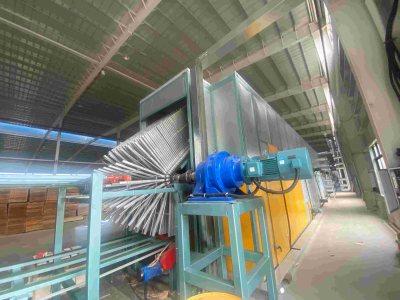
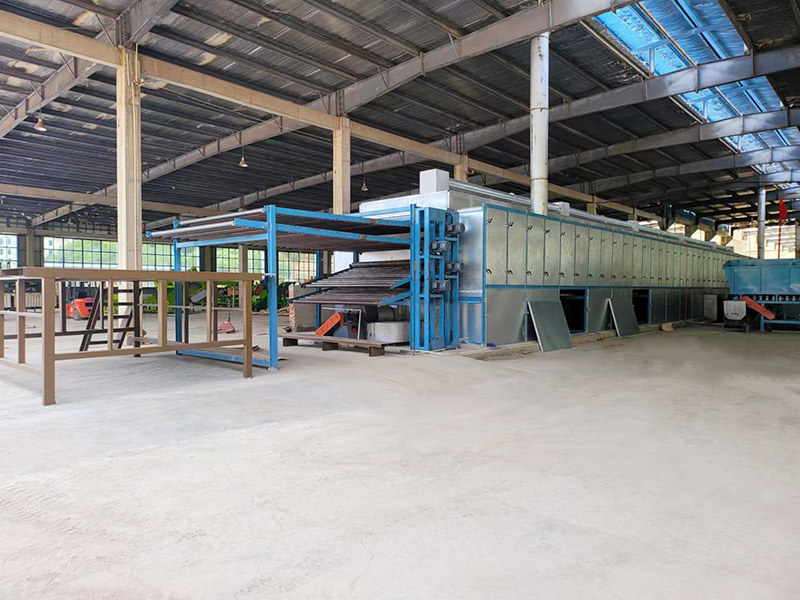
A vertical core veneer dryer is mainly used for drying core veneer, and it can also be used for partial surface and bottom veneer where flatness requirements are relatively low. In Shine Machinery’s description of a vertical veneer drying machine, the equipment is composed of four functional areas: Feeding, Heating, Cooling, and Discharging. It is presented as a tunnel-type dryer designed to better match “cut first and then dry,” especially for thick veneers.
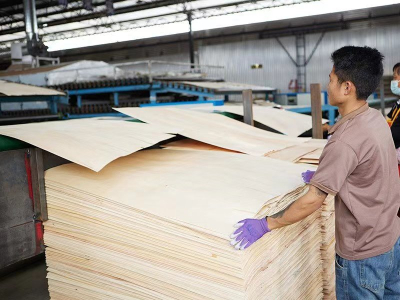
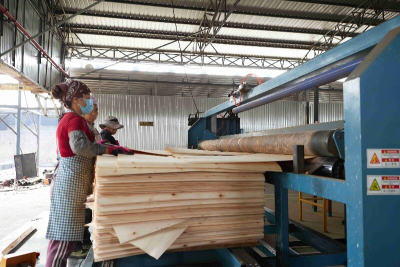
From a buyer’s perspective, this matters because plywood veneer drying is not only about removing moisture—it’s about doing it with a workflow that fits the plant. A Vertical Veneer Dryer is typically evaluated for:
Footprint efficiency, especially when floor space is limited
Continuous flow, from feeding to discharging
Operator requirements, since production teams vary by shift structure
Shine Machinery also describes its vertical core veneer dryer as using three-dimensional loading of veneer and occupying only two-thirds of the area of a roller dryer. That compact profile is often the starting reason buyers shortlist a Vertical Veneer Dryer—but it’s not the final reason they sign a purchase order.
Heat source choices change the whole Veneer Drying System
In Shine Machinery’s product descriptions, heat supply is not treated as an afterthought. Different product lines reference different heat approaches:
A vertical veneer drying machine is described with a hot air stove (900,000 kcal) as a heat source.
Vertical plywood veneer parameters list an internal burner blower as part of the configuration.
Biomass-heated solutions emphasize directly heating air and supplying it to the dryer rather than indirect heating.
This is why the heat source interface must be discussed early: the Veneer Drying System is the dryer plus the chosen heat arrangement—and those two choices must match.
For buyers comparing a Low Cost Veneer Dryer versus a higher-capacity line, the best comparison is rarely “dryer price alone.” It is usually “dryer + heat source + installation complexity + operating routine.”
What “waste heat reheating” means in this buying decision
Shine Machinery states that, when using the series of supporting high-efficiency heat-source products, waste heat reheating technology can be effectively used with its vertical core veneer dryer.
For a plywood plant that already has available heat, that statement is a strong reason to explore integration. But it also creates a practical procurement task: define how the available heat will connect into the dryer’s heating section.
A helpful way to keep the conversation concrete is to confirm the interface around three on-site realities:
What form of heat is available at the plant (for example, hot air supply versus other heat media used elsewhere)
Where the heat is physically available (location relative to the dryer installation area)
When the heat is available (whether it aligns with the dryer’s production schedule)
These checks don’t replace engineering; they prevent mismatched assumptions early—especially when “waste heat” exists, but the connection point, distance, or operating timing makes integration harder than expected.
Vertical model reference specs buyers frequently compare
For a Vertical Veneer Dryer shortlist, Shine Machinery publishes model parameters that buyers can use as references.
Vertical plywood veneer model FBH30-20
According to Shine Machinery’s published parameters:
Model: FBH30-20
Moisture content: Fresh veneer to within 20%
Capacity: 1.2–1.5 m³/h
Overall size (L×W×H): 20 × 7 × 4 m
Total power: 36.3 kW
Labor: 3 workers
Wood vertical veneer model FBH30-13
Shine Machinery also publishes a second reference model:
Model: FBH30-13
Moisture content: Fresh veneer dried to 0–5%
Output: 2 m³/h
Machine size (L×W×H): 13 × 3 × 4 m
Total power: 15 kW
Fuel consumption: 200 kg/h
When procurement teams compare these figures, the most important takeaway is not “bigger is better.” It’s that the stated moisture target, layout, and heat configuration differ—so capacity, dimensions, and energy planning should be evaluated together as one Veneer Drying System.
Biomass heating is often evaluated alongside waste heat plans
Shine Machinery’s biomass burner veneer dryer information highlights a configuration that uses waste wood as heating material, with a drying temperature adjustable from 140–200°C, and temperature control accuracy described as ±5°C. The same product description references an automatic temperature control and speed regulation system intended to help keep moisture more consistent.
For buyers focused on Drying Veneer at stable quality and predictable cost, biomass is frequently evaluated in parallel with waste heat reheating:
Waste heat may reduce fuel demand when the source is stable and available.
Biomass can be attractive when a plant has steady waste wood streams and wants a direct-air heating approach.
In many purchasing discussions, buyers treat biomass as the baseline heat plan and then assess whether waste heat reheating can meaningfully complement it—provided the interface can be confirmed and implemented.

That evaluation process is especially useful because published technical literature on veneer drying supports the broader idea that industrial dryers are often assessed together with their energy source and heat recovery options, even when a specific vertical interface standard is not defined in public references. In other words, the plant-level heat strategy still matters even if the exact integration details remain supplier-specific.
A pre-order checklist focused on the heat source interface
To keep supplier conversations efficient, and to avoid redesign later, plywood producers typically prepare a single-page checklist before finalizing a Vertical Veneer Dryer configuration:
Veneer type and use: core veneer, partial surface, or bottom veneer
Veneer thickness range as applicable to the selected dryer family
Incoming moisture condition and required outgoing moisture target
Required output for the current production rhythm
Available installation space and preferred material flow direction from feeding to discharging
Heat source plan: hot air stove, internal burner arrangement, biomass burner option
Waste heat reheating plan: where the available heat is located and how it could be routed to the heating area
For Shine Machinery product evaluation, buyers commonly review the relevant product pages directly:
Vertical Core Veneer Dryer
Vertical Veneer Drying Machine
Vertical Plywood Veneer
Wood Vertical Veneer Drying
Biomass Burner Veneer Dryer
Buying takeaway for space-conscious plywood mills
A Vertical Veneer Dryer can be a practical way to modernize plywood veneer drying with a compact footprint. But once a plant wants to reuse available heat, confirming the waste heat reheating connection point and heat source interface becomes a critical step—not a detail to solve later.
For procurement teams seeking a Low Cost Veneer Dryer that still fits real production conditions, the most reliable path is to treat the veneer dryer machine and heat arrangement as one project, define the interface early, and then finalize the equipment configuration around that plan.
FAQs
What material is a vertical veneer dryer mainly used for?
Shine Machinery describes the vertical tunnel-type core veneer dryer as mainly used for drying core plate, and it can also be used for partial surface and bottom plates.
What are the main functional sections of a Vertical Veneer Dryer?
The vertical veneer drying machine is described as having four parts: Feeding area, Heating area, Cooling area, and Discharging area.
What heat source is mentioned for a vertical veneer drying machine?
The vertical veneer drying machine description lists a hot air stove (900,000 kcal) as the heat source.
Does Shine Machinery mention waste heat reheating for a vertical core veneer dryer?
Yes. The vertical core veneer dryer description states that, with the company’s supporting heat-source products, waste heat reheating technology can be effectively used.
What drying cost claim is published for vertical dryer products?
Shine Machinery lists that the drying cost of the vertical dryer is less than $8/M³, and describes it as 30–60% of the drying cost of other dryers.
What heating material and temperature range are listed for the biomass burner veneer dryer?
The biomass burner veneer dryer parameters list waste wood as the heating material, with 140–200°C adjustable drying temperature and ±5°C temperature control accuracy.