
Install a Vertical Veneer Dryer Without Wasting Plant Space
Efficient floor planning is becoming a critical issue for veneer producers moving from natural drying to equipment-based drying. A Vertical Veneer Dryer helps address that challenge by using vertical structure instead of long horizontal expansion, allowing mills to organize drying, feeding, discharge, and storage more compactly. For buyers comparing a China top veneer dryer factory, a China veneer dryer manufacturer, or a China veneer dryer supplier, installation planning should be evaluated together with drying performance, energy use, and workflow efficiency.
Why Vertical Layout Changes Veneer Plant Planning
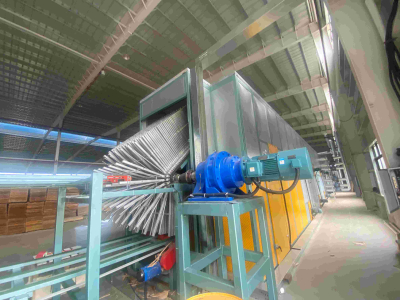
Traditional veneer drying often demands a long production path, which can limit forklift movement, reduce storage space, and create unnecessary material handling. A Vertical Veneer Dryer is designed to save production space through a vertical structure while maintaining continuous drying. Our vertical models are positioned for manufacturers with limited floor space, especially plants upgrading from natural drying to equipment drying.
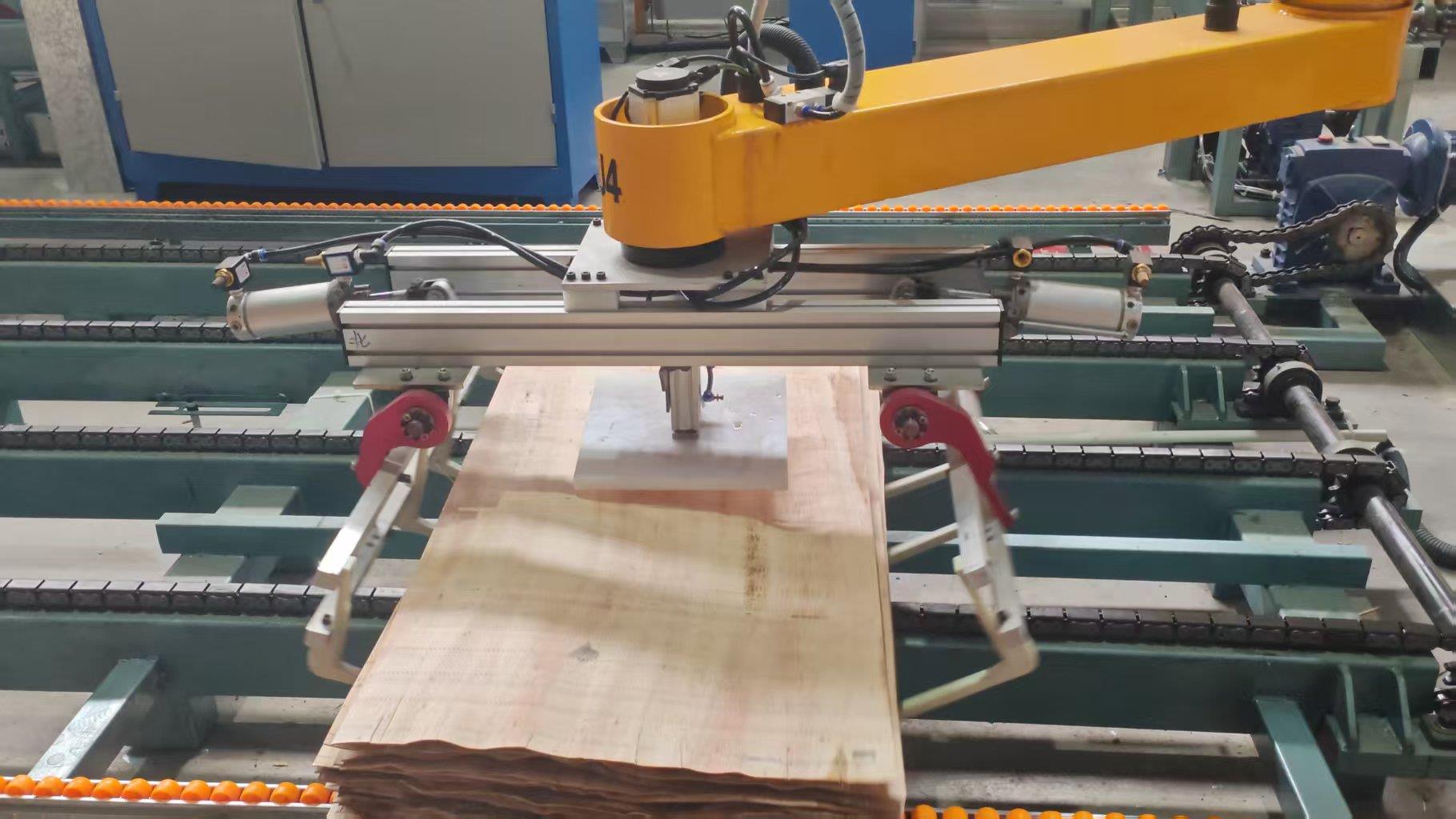
The space advantage is not only about machine footprint. A compact drying zone helps the plant keep peeling, drying, collecting, and stacking closer together. This matters during rainy seasons or high-order periods, when delays in drying may lead to damp veneer, quality instability, or production interruption. A vertical arrangement gives plant managers more freedom to reserve space for raw veneer staging, finished veneer stacking, and safe operator access.
Start With a Practical Site Survey
Before ordering or placing a Vertical Veneer Dryer, the site survey should focus on height, movement, utilities, and maintenance space. Because the equipment stacks drying zones upward, plant height becomes as important as floor area. Buyers should also confirm that the planned location allows veneers to move smoothly from peeling to drying and then to collection without unnecessary turning or crossing traffic.
A useful site check should include:
Clear installation height for the vertical structure and inspection access
Straight material flow from peeling to feeding and discharge
Reserved operator space for loading, collection, and daily checks
Power and airflow arrangement according to the selected configuration
Fuel handling area if the built-in combustion furnace will use waste wood from peeling
Ventilation and dust removal planning where required by the plant environment
Our small vertical equipment is often chosen as a lower-investment option for plants shifting away from natural drying. That makes site preparation especially important: the goal is not simply to fit the machine into the workshop, but to create a layout that supports stable daily production.
Prepare the Foundation and Level the Conveying Path
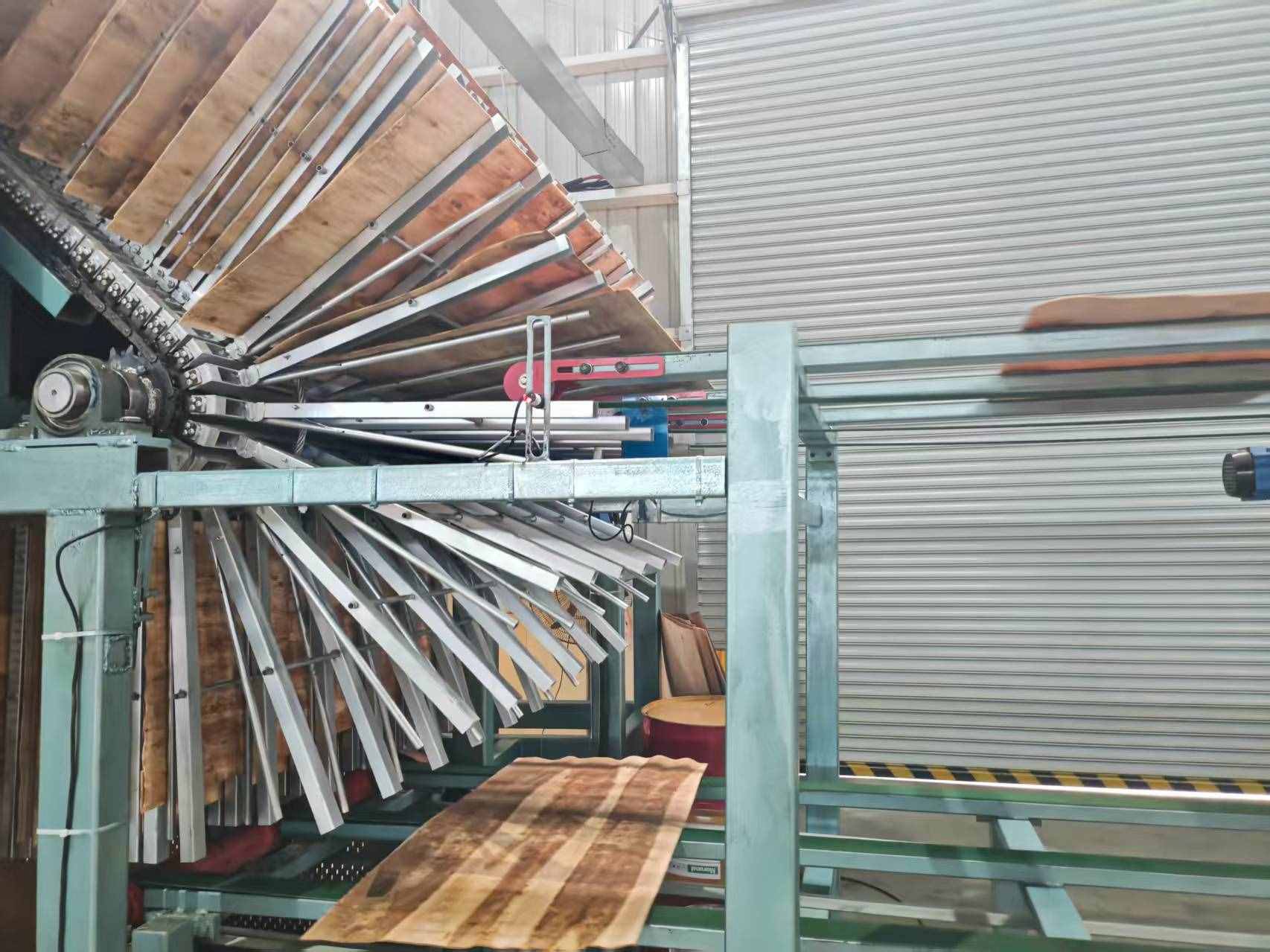
The Vertical Veneer Dryer adopts the principle of two-way conveying, with material evenly distributed on grid plates and moving smoothly through the dryer. For that reason, foundation preparation and leveling should not be treated as minor details. A stable base helps protect conveying consistency, reduces unnecessary vibration, and supports more predictable veneer movement.
Installation teams should check that the foundation is flat, strong enough for the selected model, and prepared according to the equipment layout drawing. Leveling is particularly important where veneers are transferred onto grid plates and discharged automatically after drying. If feeding and discharge points are not aligned with surrounding conveyors, the plant may lose the handling advantages that the vertical design is meant to provide.
For mills planning future upgrades, it is also useful to leave reasonable space around the equipment. Even a compact dryer should not be boxed into a corner. Maintenance access, burner inspection, conveyor adjustment, and cleaning routes all need to be considered before the final position is fixed.
Build a Compact Flow From Peeling to Stacking
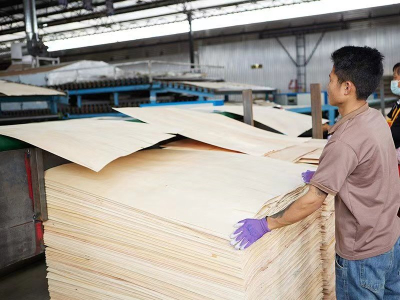
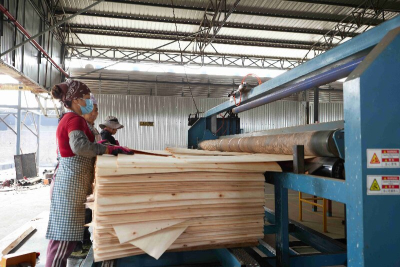
A well-planned Vertical Veneer Dryer layout usually places the drying unit close to the peeling process. This reduces manual transfer, shortens the distance wet veneer travels, and makes the production rhythm easier to manage. In a compact veneer line, the practical flow may be arranged as peeling, short transfer, vertical drying, discharge, collection, and stacking.
This layout supports several space-saving goals. First, it reduces long aisle occupation. Second, it keeps wet veneer from being stored too far from the dryer. Third, it allows finished veneer to be collected in a defined area instead of spreading stacks across the workshop. Plants that also use a peeling machine can plan fuel handling more logically because the built-in combustion furnace can burn waste wood handles cut during veneer peeling.
The fuel system affects layout decisions. Space should be reserved for feeding waste wood, managing ash or dust according to the plant’s setup, and keeping the burner area accessible. Our vertical core veneer dryer information states that the drying area temperature is adjustable within 100–130°C according to demand, so operators should also be able to access controls and inspection points without blocking material flow.
Plan Airflow and Moisture Removal Early
Drying is not only a heating process; it is also a moisture removal process. A Vertical Veneer Dryer equipped with hot air circulation is designed to evaporate moisture in veneer quickly and evenly, supporting stable drying quality. During installation, airflow paths, exhaust routes, and humidity removal should be planned before the machine is fixed in place.
Good ventilation planning helps operators avoid hot, damp air accumulating around the drying zone. It also supports a cleaner and more comfortable working environment. When different veneer thicknesses or wood species are processed, operators may need to adjust air volume, heating temperature, residence time, or feeding speed to reach the desired drying effect. The plant layout should therefore allow operators to observe output quality and make adjustments without interrupting surrounding operations.
For procurement teams evaluating a wood vertical veneer dryer, this is an important question to ask suppliers: how should the machine be positioned so that heat, moisture, fuel handling, and collection work together? A good answer connects equipment design with actual workshop movement rather than treating installation as a simple placement task.
Match Specifications to Space and Production Needs
We list Vertical Veneer Dryer configurations designed for compact production. One referenced model, FBH30-20, is shown with an overall size of 20 × 7 × 4 meters and a capacity range of 1.2–1.5 m³ per hour. Other vertical product information describes a compact footprint of 10 × 3 × 4 meters and production capacity around 1.5 cubic meters per hour. These examples show why buyers should confirm the exact model, line arrangement, and plant dimensions before finalizing civil work.
A Vertical Veneer Dryer may also be evaluated by veneer thickness range, expected moisture target, heat source, and labor arrangement. Our vertical core veneer dryer information includes veneer thickness from 0.8–8 mm and fresh veneer drying to about 0–15% moisture for that listed configuration. For some buyers, the main value is saving floor space; for others, it is using waste wood as fuel, reducing manual handling, or maintaining production when outdoor drying is unreliable.
Installation Checklist for Safer Daily Operation
A concise checklist helps prevent common installation mistakes. Before commissioning a Vertical Veneer Dryer, plant managers should review:
Confirm building height and equipment clearance
Prepare a stable, level foundation
Align feeding, discharge, and collection points
Reserve access around conveyors and inspection areas
Plan the built-in combustion furnace and waste wood feeding route
Arrange ventilation, humidity removal, and dust removal where needed
Keep electrical and control access clear
Train operators on feeding speed, temperature adjustment, and routine checks
Reserve space for future production adjustments or auxiliary equipment
Maintenance planning should be part of installation, not an afterthought. The compact vertical design saves space, but operators still need safe access to conveying parts, airflow systems, heating components, and collection areas. A layout that looks efficient on paper can become difficult to operate if inspection points are blocked by stacks, pallets, or fuel storage.
Procurement Perspective for Space Limited Mills
For international buyers, the best installation decision comes from matching the dryer to the plant instead of forcing the plant to adapt after delivery. A Vertical Veneer Dryer for limited floor space mills is most effective when the supplier understands the workshop layout, veneer size, moisture condition, heating preference, and downstream stacking method.
At Shandong Shine Machinery Co., Ltd, we are often evaluated by buyers looking for compact veneer drying equipment from China. Our vertical dryer category highlights space saving, energy saving, two-way conveying, hot air circulation, built-in combustion, and customization options for different customer requirements. Buyers can review product options and contact details through when comparing installation plans and equipment selection.
FAQs
1. Why does a Vertical Veneer Dryer save floor space?
It uses a vertical structure to stack drying zones upward instead of relying mainly on long horizontal expansion. This helps mills reserve more space for logistics, storage, feeding, and collection.
2. What should be checked before installation?
The key items are plant height, foundation condition, material flow, power access, ventilation, burner area, and maintenance clearance around the equipment.
3. Can waste wood from peeling be used as fuel?
Our vertical core veneer dryer information describes a built-in combustion furnace process that can burn waste wood handles cut by the veneer peeling machine, helping reduce raw material waste.
4. What temperature range is mentioned for Shine vertical drying equipment?
The drying area temperature for the referenced vertical core veneer dryer is described as adjustable within 100–130°C according to production demand.
5. Is a vertical dryer suitable for plants moving away from natural drying?
Yes. Our small vertical veneer dryer is designed for manufacturers transitioning from natural drying to equipment drying, especially where floor space and investment control are important.
6. How should the dryer be positioned in a veneer plant?
A practical arrangement places the dryer close to the peeling line, followed by discharge, collection, and stacking. This reduces handling distance and supports a smoother production rhythm.