
Choose a China Top Veneer Dryer Factory Confidently
Selecting a veneer dryer is no longer a simple equipment purchase for plywood mills. It is a long-term decision that influences drying cost, veneer quality, glue bonding stability, production rhythm, and factory competitiveness. For buyers comparing a China top veneer dryer factory, the real value is not limited to a lower purchase price. The stronger advantage is access to mature roller drying systems, biomass heating options, customized working widths, and service support that can help a mill keep output stable under real production conditions.
For international plywood producers, a qualified China veneer dryer manufacturer should be evaluated by more than quotation sheets. The buyer should look at drying technology, heat source compatibility, automation, moisture control, customization range, installation support, and spare parts response. In this context, Shandong Shine Machinery Co., Ltd, also known as Shine Machinery, is often considered by buyers evaluating complete veneer drying and veneer production line solutions from China.
Why veneer drying controls plywood quality
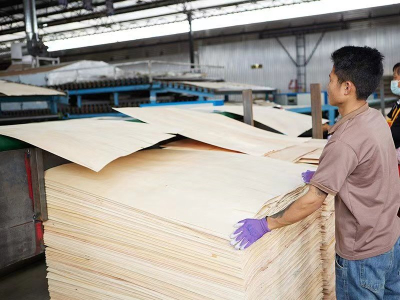
Veneer drying is one of the most sensitive stages in plywood production. Fresh veneer contains moisture that must be reduced to a controlled level before gluing and pressing. If the veneer dryer does not control temperature, airflow, and feeding speed properly, several downstream issues can appear: uneven moisture, weak bonding, panel deformation, cracks, wrinkles, end ripples, or avoidable material waste.
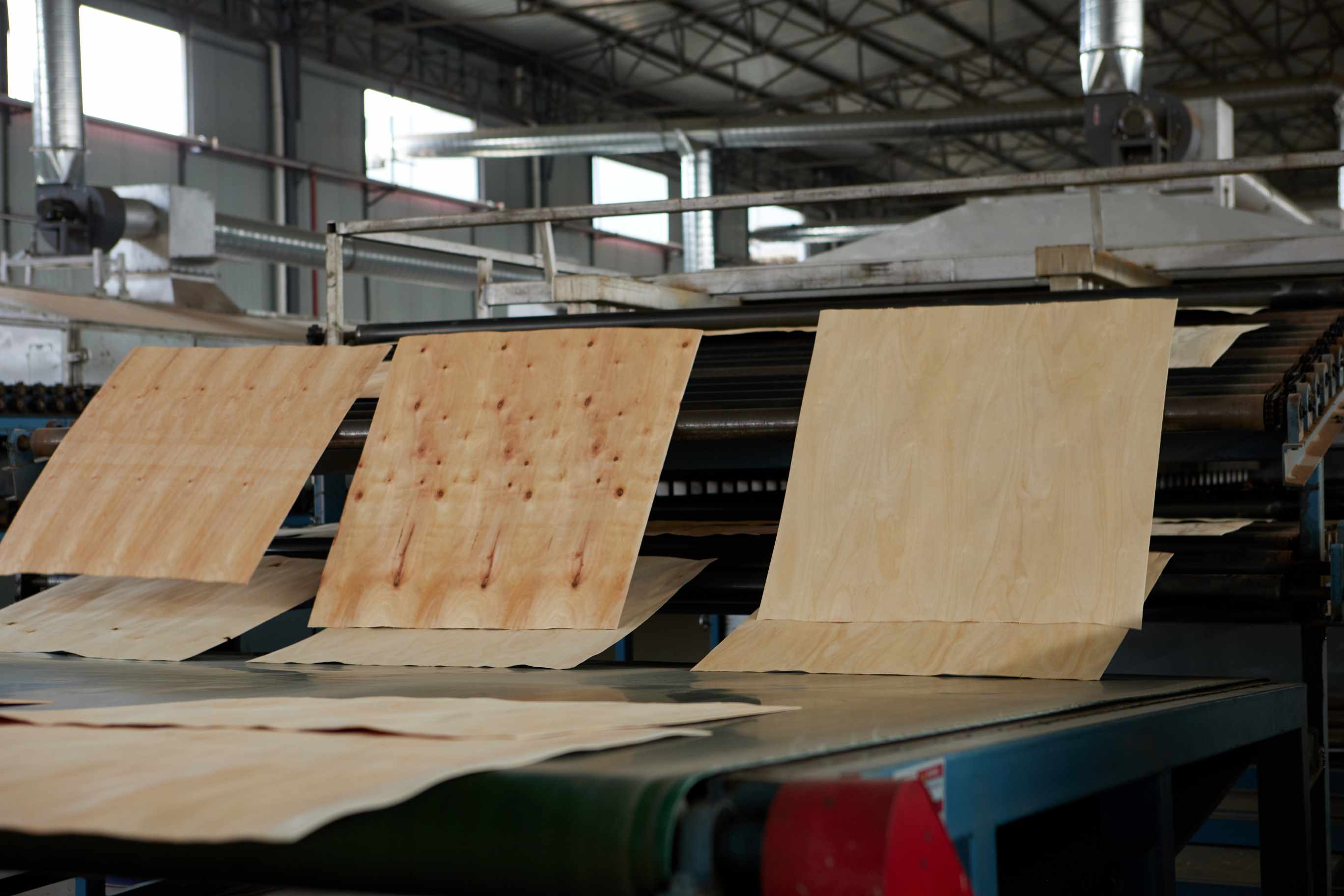
A modern Veneer Dryer is designed to turn drying from a manual correction process into a controlled industrial step. The goal is not only to remove water faster. It is to dry veneer evenly, keep sheets flat, protect surface quality, and deliver a moisture range suitable for stable plywood manufacturing.
This is why experienced buyers often treat the veneer dryer as a critical control point. A low-cost machine that cannot maintain uniform drying may create higher costs later through re-drying, veneer rejection, glue waste, panel defects, or lower press efficiency. By contrast, a reliable veneer dryer supplier can help match machine structure to veneer thickness, wood species, factory layout, and daily output expectations.
Why Chinese veneer dryer suppliers are gaining attention
China has become a competitive sourcing market for plywood machinery, including roller dryers, biomass burner veneer dryer systems, and supporting equipment for veneer production lines. Buyers searching for a China veneer dryer supplier usually expect flexible engineering, practical production experience, and responsive service at a commercially attractive cost.
A strong supplier should be able to discuss not only machine dimensions, but also how the dryer will operate in the buyer’s mill. This includes the working width, number of decks, drying temperature, veneer transport speed, heat source, airflow design, cooling section, and automation level. For plywood factories that produce different veneer grades or thicknesses, customization matters as much as standard specifications.
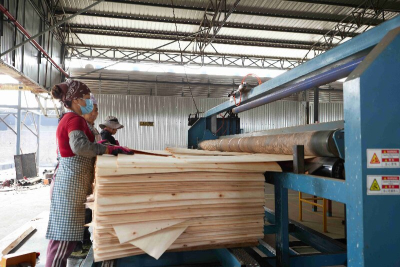
At Shine Machinery, we provide wood veneer drying solutions and related veneer production equipment. Our product materials describe roller veneer dryers, biomass burner veneer dryers, automatic veneer feeders, automatic veneer collection systems, wood crushers, knife grinder machines, and veneer production line support. This broader product scope is important because drying performance depends not only on the dryer body, but also on feeding, collection, heat generation, and line coordination.
Roller veneer dryer technology for continuous output
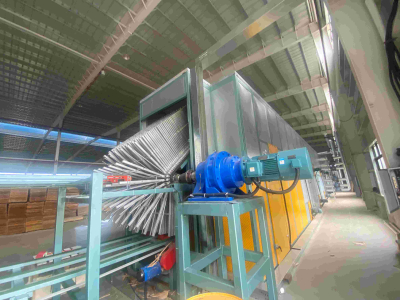
The roller veneer dryer is widely used where continuous production and stable sheet movement are required. Compared with intermittent or space-intensive drying methods, roller systems support continuous feeding and discharge. The roller structure helps carry veneer through the heating and cooling sections while maintaining production rhythm.
Shine Machinery’s roller dryer information highlights hot air circulation technology, precision control, automatic temperature and speed regulation, and customization for working widths from 3 m to 6 m. Its roller veneer dryer can be configured for veneer thicknesses from 0.8 mm to 8 mm, with moisture reduced from fresh veneer to about 0–15% depending on the production requirement and machine configuration.
For high-capacity plywood lines, the 6-deck veneer dryer option is especially relevant. Product information notes that the 6-deck veneer dryer offers higher drying capacity, a high degree of automation, and a minimum output of 15 m³ per hour. It can also be customized according to the production capacity required by different customers.
The core procurement lesson is clear: a roller veneer dryer should be selected according to actual production conditions, not by model name alone. Veneer thickness, initial moisture, target moisture, feeding continuity, floor space, and heat source all influence final performance.
Biomass burner veneer dryer systems and cost control
Energy cost is one of the largest operating expenses in veneer drying. For mills that generate wood residues, a biomass burner veneer dryer can change the cost structure by turning waste material into useful heat.
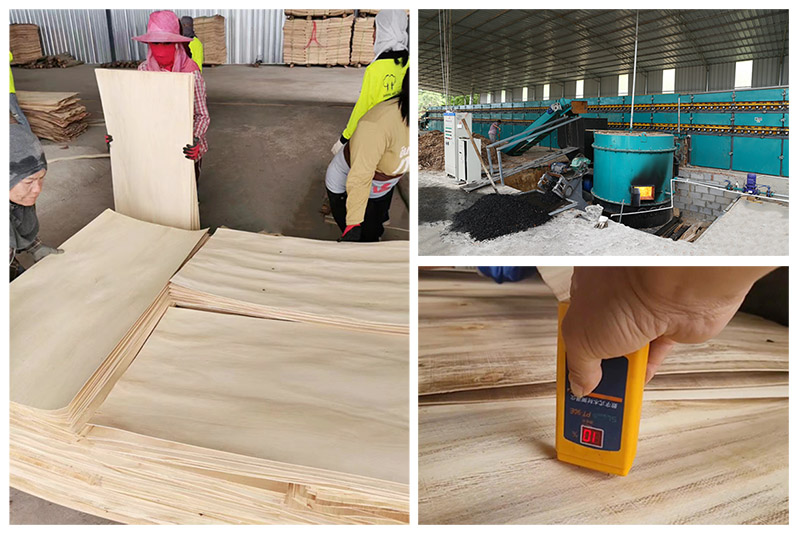
Our biomass burner veneer dryer is described as using crushed wood waste, tree bark, rotary cutting veneer waste, and wood offcuts as fuel. This reduces reliance on steam boilers, thermal oil heaters, or purchased fuel sources. The system is designed to provide hot air to the veneer dryer, and product information states that drying section temperature can be controlled between 140°C and 180°C, while the heating material and drying temperature range can be 140–200°C adjustable in the listed biomass configuration.
The biomass burner is especially attractive for plywood producers that already produce bark, chips, and veneer offcuts. Instead of paying to manage wood waste separately, the factory can use it as part of the drying energy system. Shine Machinery’s product details also state that the biomass burner can reach high combustion temperature, and the drying section temperature control accuracy can be ±5°C in the referenced configuration.
For buyers, the most important question is not simply whether biomass is cheaper. The real question is whether the heat source can remain stable, clean, and suitable for consistent veneer drying. When evaluating a low cost veneer dryer with biomass burner, mills should review fuel preparation requirements, burner control, airflow distribution, dust handling, maintenance routines, and operator training.
Multi deck design and working width customization
Capacity growth does not always require a larger workshop. Multi deck veneer dryer designs use vertical drying layers to increase throughput within a more efficient footprint. This is why multi deck configurations are often considered by plywood mills planning capacity upgrades without major building expansion.
Shine Machinery product information describes customizable working widths from 3 m to 6 m. This range allows buyers to align the veneer dryer with veneer size, panel format, material handling method, and workshop space. A mill producing standard plywood core veneer may have different width priorities than a mill processing wider face veneer or mixed production sizes.
In the official biomass burner veneer dryer example, the listed model includes a 3 m working width, 2 decks, veneer thickness range of 0.6–8 mm, 24 m heating area length, and 4 m cooling area length. Another low cost veneer dryer description gives a standard working width of 4500 mm, a 40 m main body, a 36 m drying chamber, and a 4 m cooling chamber. These examples show why a China veneer dryer manufacturer with customization capability can be valuable for buyers with specific workshop and output requirements.
| Buyer checkpoint | Why it matters in veneer dryer selection |
|---|---|
| Working width | Must match veneer dimensions and feeding capacity |
| Deck configuration | Affects capacity, footprint, and airflow balance |
| Veneer thickness range | Determines speed, temperature, and drying curve needs |
| Heating source | Influences operating cost and site energy planning |
| Cooling section | Helps stabilize dried veneer before stacking |
| Automation level | Supports consistent temperature and speed control |
| Service support | Reduces installation, training, and maintenance risk |
Operating cost and return on investment considerations
A veneer dryer affects cost per cubic meter in several ways. Fuel consumption is usually the most visible cost, but electricity, labor, maintenance, spare parts, rejected veneer, and production delays also affect total operating cost. Buyers should evaluate the full operating picture rather than focusing only on the purchase price.
Shine Machinery’s biomass burner veneer dryer parameter table lists actual electricity consumption of about 52 kWh per hour for one configuration, with total power of 73.5 kW. Product content for its low cost veneer dryer also mentions running cost estimates around $10–12 per cubic meter in biomass-based operation. These figures should be evaluated against local electricity prices, labor cost, wood residue supply, and actual production schedule.
For mills planning investment, the Estimate Earnings page from Shine Machinery is relevant because it asks buyers to consider site size, labor cost, and electricity price when estimating cost recovery time and expected revenue. This reflects a practical procurement approach: ROI depends on local conditions as much as machine specifications.
A veneer dryer that increases output but creates unstable moisture is not a good investment. A dryer that reduces fuel cost but requires excessive manual adjustment may also disappoint. The best purchasing decision balances drying quality, energy structure, operator workload, maintenance accessibility, and long-term service support.
Service support matters after installation
Industrial drying equipment must perform every day, often in demanding plywood mill conditions. That makes after-sales service a major part of the supplier decision. A good veneer dryer supplier should support machine selection, layout planning, equipment inspection before shipment, installation, commissioning, operator training, and technical communication after startup.
Shine Machinery’s product service information includes pre-sale consultation for veneer production lines, reasonable plans and free design based on special requirements, factory visits, machine inspection before factory departure, overseas installation and debugging, operator training, 24-hour online service, installation and debugging videos, and technical support by phone. The company’s contact pages also state that English, Chinese, and Russian are available for communication.
For buyers comparing a China top veneer dryer factory, this service dimension is often as important as the machine itself. A veneer dryer is integrated equipment, not a standalone commodity. Feeding speed, heat source, fans, conveyors, cooling, and collection need to work together. Service support helps reduce avoidable startup problems and keeps the production line easier to manage over time.
How to assess a China veneer dryer manufacturer
Procurement teams should prepare a structured checklist before discussing prices. This makes supplier comparison more accurate and prevents costly misunderstandings.
A practical checklist should include:
Target veneer thickness range and wood species
Initial moisture and target final moisture
Required hourly or daily capacity
Preferred working width and available floor space
Heat source preference, including biomass, steam, thermal oil, natural gas, or other site options
Required automation level
Feeding and collection method
Local electricity price and labor cost
Spare parts planning and service response expectations
Installation, commissioning, and operator training needs
A capable China veneer dryer supplier should respond with a configuration that fits production conditions, rather than forcing the buyer into a standard model. Shine Machinery’s materials repeatedly emphasize customization, from working width to deck layers and heat source configuration. That makes it a relevant option for plywood producers looking for an energy efficient veneer dryer solution from China.
Why mature technology is worth more than a low quote
The lowest quotation can look attractive at the beginning of a project, but drying problems often appear after the line starts running. Uneven moisture, unstable feeding, weak hot air circulation, and poor temperature control can increase rejection rates and reduce the value of the entire plywood line.
A better approach is to evaluate the veneer dryer as a production asset. Buyers should ask how the system controls temperature, how airflow is distributed, how speed is adjusted for different veneer thicknesses, how the cooling section is designed, how biomass fuel is prepared, and how operators will be trained. They should also review whether the supplier can support the wider Veneer Production Line rather than only selling the dryer body.
Shandong Shine Machinery Co., Ltd is positioned as a competitive choice for buyers considering roller veneer dryer systems, biomass burner veneer dryer technology, multi deck veneer dryer configurations, and customized 3–6 m working width solutions. Its product materials focus on practical plywood mill needs: drying capacity, energy savings, smooth veneer output, automatic temperature and speed control, and long-term technical support.
Procurement takeaway
Choosing a China veneer dryer manufacturer should be treated as a strategic production decision. The right supplier can help a plywood mill reduce energy exposure, improve veneer consistency, and build a drying process that supports stable bonding and repeatable panel quality.
For buyers evaluating a China top veneer dryer factory, the key is to move beyond price comparison and focus on proven engineering details: roller conveying, hot air circulation, biomass heating, multi deck capacity, working width customization, moisture control, installation service, and after-sales support.
Shine Machinery offers a practical reference point for buyers seeking a China veneer dryer supplier with roller veneer dryer systems, biomass burner options, and complete veneer production line support. To discuss a customized veneer dryer proposal, buyers can visit www.veneersdryer.com, email info@sdshinemachinery.com, or contact Phone/WhatsApp: +86 15806625431.
FAQs
What makes a biomass burner veneer dryer cost-effective?
A biomass burner veneer dryer can use wood waste, bark, veneer offcuts, and crushed wood residues as fuel. For plywood mills that generate these materials during production, biomass heating can reduce dependence on external energy sources and help lower drying cost.
What working width should a plywood factory choose?
The working width should match veneer size, production capacity, and workshop layout. Shine Machinery product materials describe customizable working widths from 3 m to 6 m, allowing buyers to select a configuration based on actual production needs.
Why do buyers choose a multi deck veneer dryer?
A multi deck veneer dryer increases drying capacity by using several vertical drying layers. This helps factories improve throughput without relying only on floor space expansion, making it suitable for capacity upgrades and mixed veneer production.
What final moisture range can a roller veneer dryer support?
Shine Machinery’s roller dryer information states that fresh veneer can be dried to about 0–15% moisture depending on configuration and production conditions. The exact target should be selected according to plywood bonding and panel requirements.
What should buyers ask before ordering a veneer dryer?
Buyers should clarify veneer thickness, target moisture, hourly capacity, working width, heat source, floor space, automation level, feeding method, installation plan, operator training, and spare parts support before confirming a purchase.
Is a China veneer dryer supplier suitable for international plywood mills?
A China veneer dryer supplier can be suitable when it offers practical customization, clear technical parameters, heat source options, service support, and communication for overseas installation and operation. Buyers should evaluate the complete system rather than only the machine price.