
Reduce Energy Waste in Your Wood Veneer Dryer – Wood Dryer Tips
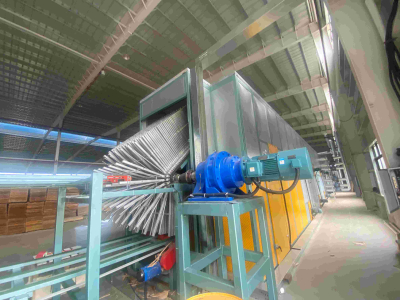
Energy waste is one of the biggest hidden cost drains for wood processing plants, and the wood veneer dryer is often the factory’s highest energy-consuming equipment. Many manufacturers struggle with soaring utility bills not because their wood dryer is faulty, but due to improper operation, outdated settings, and neglected maintenance that lead to continuous thermal loss. A standard industrial drying machine can waste 25%–40% of energy annually through inefficient workflows. Mastering targeted energy-saving tips for your wood veneer dryer can slash operational costs, boost drying efficiency, and extend equipment service life. This guide shares five practical, industry-proven strategies to eliminate energy waste while maintaining top-tier veneer drying quality.
1. Optimize Internal Temperature & Humidity Calibration for Your Wood Veneer Dryer
Most factory operators rely on fixed default settings for their wood veneer dryer, which is the primary cause of unnecessary energy waste. Many run excessive high temperatures or over-ventilate the drying chamber to speed up processing, unaware that over-drying consumes extra power and damages veneer quality. Professional drying machine operation follows a scientific segmented drying logic: low-temperature preheating, constant-temperature dehumidification, and low-temperature final stabilization.
Adjusting humidity levels is equally critical for energy savings. Modern studies show that properly elevated internal humidity in the wood veneer dryer improves heat transfer efficiency and reduces the need for repeated heating of replacement air. Matching temperature and humidity parameters to veneer thickness and wood species avoids rework from uneven drying. This simple calibration method can cut wood dryer energy consumption by 15%–20% without lowering daily production output.
The recycled thermal energy preheats incoming fresh air entering the drying chamber, drastically reducing the workload of the core heating system. This optimized design reduces primary energy consumption by up to 35% and lowers carbon emissions effectively. Even for older wood dryer equipment, retrofitting a waste heat recovery module delivers fast ROI, making it ideal for medium and large-scale wood processing production lines.
3. Schedule Scientific Loading & Continuous Operation Modes
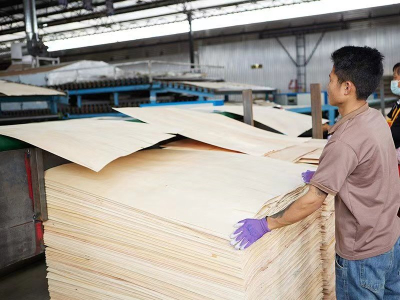
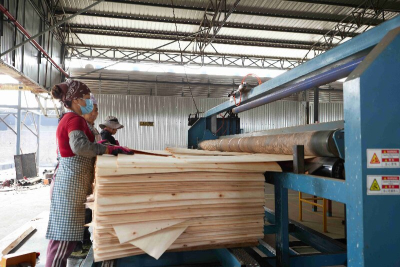
Irregular loading and frequent start-stop operation are easily overlooked energy-wasting behaviors for a wood veneer dryer. Many factories run the drying machine half-empty or pause production frequently, leading to repeated temperature rise and heat loss. Each cold start of the wood veneer dryer consumes far more energy than maintaining a stable operating temperature.
Adopting full-load, continuous operation is key to energy efficiency. Arrange veneer feeding in batches to ensure the wood dryer runs at 80%–90% rated capacity during working hours, avoiding idle running and frequent shutdowns. For intermittent production plans, set low-temperature standby modes instead of turning off the equipment completely. This stable operation strategy eliminates repetitive heating waste and keeps drying machine efficiency at its optimal level.
4. Regular Sealing & Insulation Maintenance for Stable Efficiency
Aging seals, loose chamber doors, and damaged insulation layers cause invisible heat leakage for every long-serving wood veneer dryer. Even tiny gaps on the drying machine shell can lead to continuous hot air outflow and cold air inflow, forcing the wood veneer dryer to consume extra energy to maintain set temperatures.
Establish a fixed maintenance routine for your wood dryer equipment. Regularly check and replace aging rubber seals, repair damaged thermal insulation cotton, and seal gaps in ventilation ducts. Well-maintained insulation structures lock heat inside the drying chamber, stabilize internal temperature uniformity, and prevent energy dissipation. Basic sealing and insulation maintenance requires low investment but effectively reduces long-term energy waste and avoids quality issues like uneven veneer drying.
5. Intelligent Automation & Predictive Maintenance Optimization
Outdated manual operation is a major barrier to energy-saving wood veneer dryer management. Manual parameter adjustment often leads to excessive heating, over-ventilation, or delayed parameter switching, resulting in persistent energy waste. Upgrading to an intelligent PLC-controlled drying machine system enables automatic, real-time operation optimization.
Smart wood veneer dryer systems monitor real-time veneer moisture, internal temperature, and airflow volume, automatically adjusting heating power and exhaust volume according to production conditions. Meanwhile, predictive maintenance functions detect abnormal energy consumption and component wear in advance, avoiding energy loss caused by equipment faults. Combined with regular cleaning of heating pipes and air ducts to prevent dust accumulation and heat transfer obstruction, this method maximizes wood dryer operating efficiency and minimizes unnecessary energy consumption.
Final Thoughts
Reducing energy waste for your wood veneer dryer does not require large-scale equipment replacement or high investment. Most energy-saving gains come from standardized operation, regular maintenance, and reasonable parameter optimization. By calibrating temperature and humidity, utilizing waste heat recovery, optimizing production schedules, strengthening insulation sealing, and adopting intelligent control, you can significantly cut the operational costs of your drying machine. A high-efficiency, low-consumption wood veneer dryer not only reduces energy bills but also stabilizes veneer product quality, bringing sustainable profit growth for wood processing enterprises.