
Fit a 2 Deck Veneer Dryer Into Smaller Mills
For plywood and veneer workshops with limited floor space, drying is often the first production step that becomes difficult to control. Sun drying may look inexpensive at the beginning, but it depends on weather, labor, yard space, and repeated handling. A compact modular veneer dryer gives small mills a more controlled way to dry veneer while keeping the investment level and installation footprint practical. In particular, a two deck roller configuration allows factories to use vertical space, stabilize moisture content, and prepare for gradual production growth without rebuilding the whole workshop.

Why Small Mills Need a More Controlled Drying Step
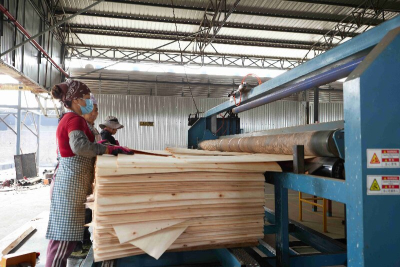
Many small plywood factories start with natural drying because it requires little equipment. As orders increase, the limitations become obvious. Veneer needs open yard space, workers must move and sort sheets repeatedly, and drying results change with temperature, wind, humidity, and rainfall. This makes it difficult to maintain a stable final moisture level before pressing.
A compact modular veneer dryer is designed to reduce these daily uncertainties. Instead of spreading veneer across a large outdoor area, the factory moves veneer through a continuous drying line. The process becomes easier to schedule, easier to supervise, and less exposed to weather changes. For buyers comparing a China veneer dryer manufacturer or a China veneer dryer supplier, this practical control is often more important than buying the largest machine available.
How a Two Deck Roller Structure Saves Space
A two deck compact roller veneer dryer uses two drying layers within one machine structure. This is important for workshops where width and yard space are limited. By using vertical space, the system increases drying capacity without requiring the same ground area as two separate single layer lines.
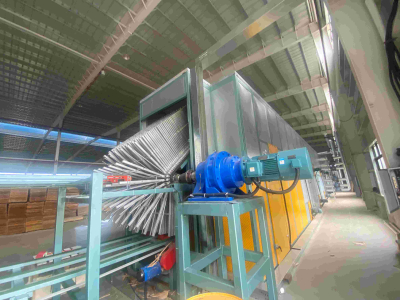
At Shine Machinery, our conveyor veneer drying machine is organized around three main functional areas: the transmission section, the drying section, and the cooling section. The transmission section controls feeding and running speed, the drying section removes moisture through hot air circulation, and the cooling section helps stabilize veneer before stacking. This continuous sequence supports a smoother workflow than batch drying.
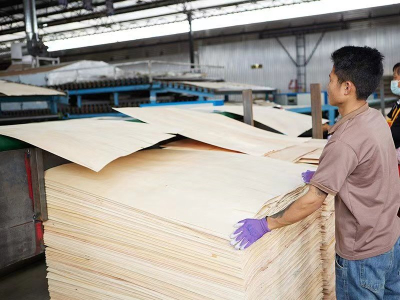
The roller veneer dryer design also keeps veneer in continuous contact with rollers during movement. After drying in our line, veneer is typically smoother, with reduced cracks, wrinkles, and end ripples. For mills producing plywood, smoother and more consistent veneer helps reduce problems in later gluing and pressing steps.
Key Configuration for an Entry Level Two Deck Line
For factories evaluating an entry level veneer dryer for a small factory, Shine Machinery’s GTH30-48 conveyor veneer drying machine provides a clear reference point. It combines a 3 meter working width with two decks, a 44 meter heating area, and a 4 meter cooling area. The machine is designed for veneer thickness from 0.8 mm to 8 mm and can dry fresh veneer to about 10% moisture.
| Parameter | Reference Configuration |
|---|---|
| Model | GTH30-48 |
| Working width | 3 m |
| Decks | 2 |
| Roller material | Q235B, φ89 steel pipe |
| Heating area length | 44 m |
| Cooling area length | 4 m |
| Veneer thickness | 0.8–8 mm |
| Final moisture reference | Fresh veneer to about 10% |
| Drying temperature | Waste wood, 140–200°C adjustable |
| Temperature control accuracy | ±5°C |
| Drying capacity | 70–80 m³/24 h |
| Veneer transport speed | 5–22 m/min, 16A chain |
| Total power | 119.5 kW |
| Actual electricity consumption | About 84 kWh per hour |
These specifications show why a compact modular veneer dryer can be a realistic upgrade path for small and medium workshops. The capacity is meaningful for daily production, while the structure remains focused on a manageable two deck layout rather than a high complexity production line.
Cost Control Through Biomass Heating
Operating cost is a major concern for small mills. A veneer dryer that runs reliably but consumes too much fuel or electricity can create pressure on cash flow. Shine Machinery’s veneer dryer supports waste wood as heating material, with adjustable drying temperature from 140°C to 200°C. This allows factories to use materials such as waste wood generated during production as part of the heating process.
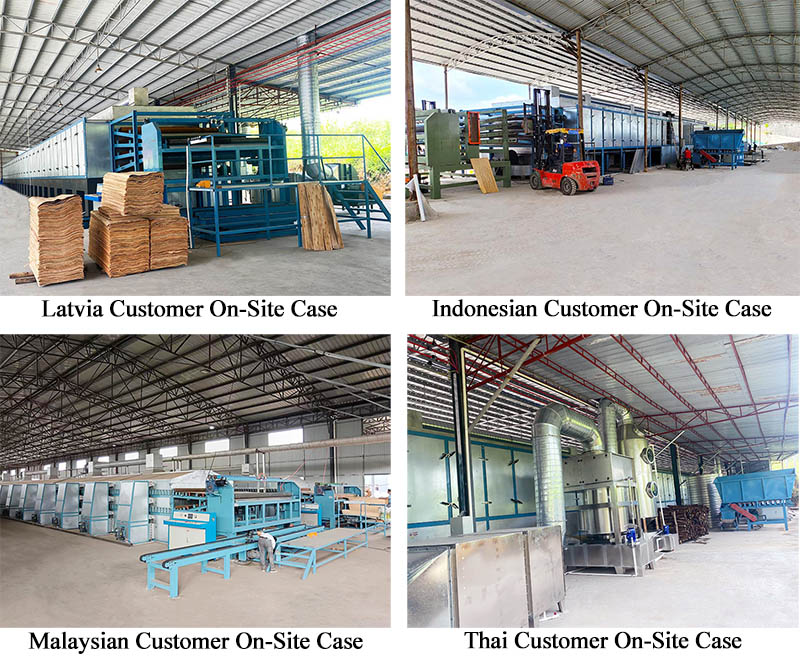
Our product information also highlights an optimized heat exchange system and axial flow fans, with the power of the whole machine reduced by around 38%. For a low cost veneer dryer biomass setup, these features matter because they address both fuel use and electricity consumption. Instead of treating waste wood as a disposal problem, the mill can turn part of its production residue into useful heat for veneer drying.
Shine Machinery’s biomass burner related solutions are commonly evaluated by buyers who want to reduce dependence on steam, thermal oil, or external fuels. The right choice still depends on local fuel availability, workshop layout, veneer species, and production targets, but biomass heating is especially relevant for factories that already generate wood waste during peeling and trimming.
Moisture Consistency and Veneer Surface Quality
The most important result of drying is not only speed. Veneer must leave the dryer with suitable moisture content and a surface condition that supports downstream production. Shine Machinery’s veneer dryer uses variable frequency speed regulation, allowing the feeding speed to be adjusted according to veneer thickness and moisture content. This helps operators match drying conditions to the actual material being processed.
The control cabinet includes automatic temperature control and speed regulation. Product information states that this system can accurately control final moisture content, while keeping operation simple and the failure rate low. For small factories, this combination is practical: the dryer should not require a complicated technical team for daily running, yet it must provide enough control to reduce uneven drying.
A veneer drying machine with adjustable speed is also useful when a workshop processes different veneer thicknesses. Thin sheets and thicker core veneer do not dry in the same way. Speed adjustment gives operators a direct method to adapt the line instead of relying only on fixed time or outdoor conditions.
Layout Planning for Tight Factory Buildings
A compact modular veneer dryer should be planned around material flow. The basic sequence is feeding, transmission, drying, cooling, and output. In many workshops, the best arrangement is along the longest straight side of the building. This reduces turning, manual handling, and temporary stacking between process steps.
For the GTH30-48 reference model, the 44 meter heating section and 4 meter cooling section should be considered early in layout planning. The biomass heating equipment should be positioned close enough to support efficient heat transfer, while the workshop should allow suitable ventilation and safe access for operation and maintenance.
Because Shine Machinery describes its veneer dryers as customizable, buyers can discuss required capacity, available workshop dimensions, and target moisture content before confirming a configuration. This is one reason many buyers searching for a China top veneer dryer factory focus not only on price but also on whether the supplier can match the dryer to the real site conditions.
Comparing Sun Drying and a Two Deck Compact Dryer
The decision to upgrade is easier when the differences are viewed in daily production terms.
| Drying Method | Main Advantage | Main Limitation | Suitable Situation |
|---|---|---|---|
| Sun drying | Low initial equipment cost | Weather dependent and space intensive | Very early stage or low volume production |
| Simple batch drying | More control than sun drying | Lower workflow continuity | Small workshops with limited daily output |
| Two deck compact roller dryer | Continuous drying, better space use, adjustable speed | Requires planned installation and energy supply | Growing mills needing stable moisture and output |
A compact modular veneer dryer does not remove the need for good operation. Workers still need to feed veneer correctly, monitor settings, and maintain equipment. However, it gives the factory a more predictable platform than outdoor drying, especially when production schedules and customer delivery dates become tighter.
Why Shine Machinery Fits This Upgrade Path
Shandong Shine Machinery Co., Ltd focuses on wood veneer drying machines and veneer sheet peeling equipment. The company’s product information describes professional factory production, a professional R&D team for designing different models according to customer requirements, and after sale service support. Our conveyor veneer dryer page also states that Shine veneer drying machines have been exported to more than 20 countries and regions.
For buyers comparing a China veneer dryer manufacturer, these points are useful because the purchase is not only about the machine body. A compact modular veneer dryer needs correct sizing, heat source selection, installation planning, and operator training. Shine Machinery states that professional engineers can guide installation and help train factory workers until the equipment operates normally.
The company also provides broader veneer production line related solutions, which can help factories think beyond one machine when planning long term upgrades. For small mills, this step by step approach is often more practical than investing in a large line too early.
A Practical Upgrade Scenario
A growing plywood workshop may begin with sun drying, then face recurring problems: unstable moisture, limited yard space, repeated labor handling, and seasonal output changes. Moving to a two deck compact roller dryer changes the production rhythm. Veneer moves through a defined process, drying temperature and feed speed are adjustable, and the cooling section prepares veneer for stacking after drying.
Using the GTH30-48 configuration as a reference, the mill can target a daily drying capacity of 70–80 m³/24 h with fresh veneer dried to about 10% moisture. The machine’s 3 meter working width and two deck structure provide a balance between capacity and footprint. For workshops that want an entry level veneer dryer for small factory use, this type of compact modular veneer dryer offers a controlled upgrade without jumping directly to a more complex multi deck high capacity system.
Purchasing Notes for International Buyers
Before selecting a compact modular veneer dryer, buyers should prepare basic information about veneer species, thickness range, initial moisture, target final moisture, daily capacity, workshop dimensions, and local fuel options. These details help the supplier recommend a suitable working width, heating length, deck number, and biomass burner configuration.
For project discussions, buyers can visit veneer dryer product pages at www.veneersdryer.com and compare configurations with their own site conditions. A strong inquiry should include a simple workshop layout, expected daily production, available waste wood fuel, and any restrictions on installation length or ventilation.
FAQs
Is a two deck compact veneer dryer suitable for small factories?
Yes. A two deck structure uses vertical space to increase drying layers while keeping the machine layout more compact than installing separate single deck lines.
What veneer thickness can the GTH30-48 configuration process?
The reference configuration is designed for veneer thickness from 0.8 mm to 8 mm.
What final moisture content can it support?
The product reference states that it can dry fresh veneer to about 10% moisture.
Can waste wood be used as heating material?
Yes. The GTH30-48 configuration lists waste wood as the heating material, with drying temperature adjustable from 140°C to 200°C.
What are the main sections of the dryer?
The system includes a transmission section, drying section, and cooling section, supporting continuous feeding, drying, cooling, and output.
Why is adjustable feeding speed important?
Adjustable speed helps operators match drying conditions to veneer thickness and moisture content, which supports more consistent drying results.
Does Shine Machinery provide installation support?
Shine Machinery states that professional engineers can guide installation and help train factory workers until the equipment operates normally.