
Use Waste Wood Biomass to Freeze Veneer Drying Costs
When traditional fuel prices rise by 40%, veneer and plywood mills feel the impact almost immediately in the drying line. Heat is one of the largest energy demands in veneer production, and every increase in fuel cost flows directly into the cost per cubic meter. A practical response is to convert factory waste wood, sawdust, bark, and pallet scraps into process heat through a biomass burner for veneer dryer systems. In this model, wooden pallet suppliers are no longer viewed only as packaging partners; they can also become part of a broader waste-fuel strategy that supports lower and more stable drying costs.
Why a 40% Fuel Shock Hits Veneer Drying First
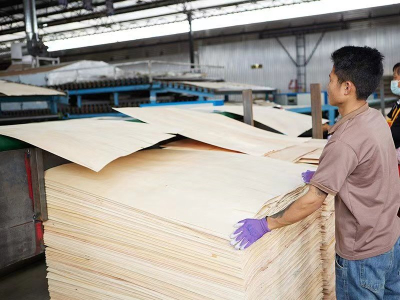
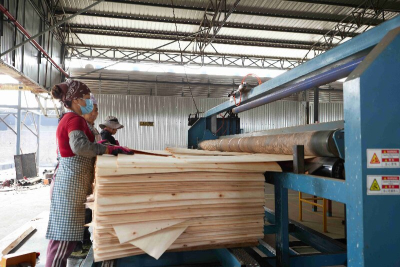
Veneer drying is a continuous, heat-intensive process. If the veneer leaves the dryer with uneven moisture, downstream gluing, pressing, and panel quality can suffer. That is why mills cannot simply reduce heat input when fuel becomes expensive; they need a lower-cost heat source that still delivers stable temperature and airflow.
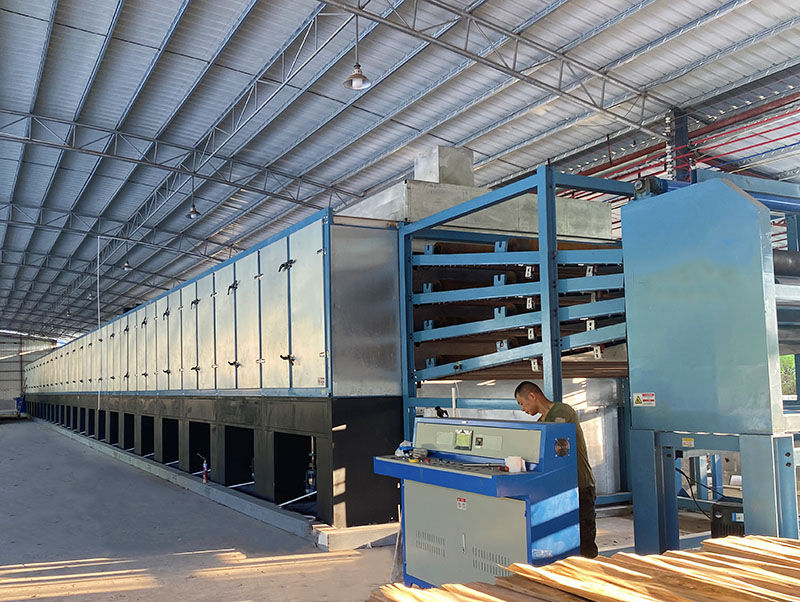
Shine Machinery designs roller veneer dryer systems that can integrate a biomass burner using waste wood as fuel. Product data from Shine Machinery describes composite drying costs of about $6–12 per m³, including labor, fuel, and electricity, when waste wood is used in the drying line. The system can also reduce dependence on grid electricity and fossil fuels by using locally sourced materials such as sawdust, bark, forestry residues, and pallet scraps.
This is where wooden pallet suppliers become relevant to veneer mills. A broken wooden pallet, dismantled pallet boards, and off-grade blocks may be unsuitable for logistics, but they can still have value as biomass fuel when properly sorted and processed. Nearby pallet wood suppliers and wood pallet manufacturers may therefore help mills build a more predictable fuel base.
How a Biomass Burner Converts Waste Wood Into Drying Heat
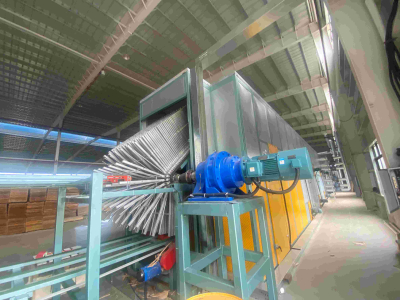
A biomass burner for veneer dryer integration is more than a simple furnace replacement. In Shine Machinery’s configuration, the burner works with a hot air circulation system and a step-by-step heat exchanger. The biomass burner can directly burn waste wood, including sawdust and other biomass materials, helping reduce fuel cost without requiring waste wood to be sun-dried before use.
The heat exchanger is designed so hot air can be emitted uniformly toward the veneer. This matters because veneer quality depends on more than temperature alone. Uniform hot air helps the dried veneer remain flat, with consistent moisture content and a surface suitable for gluing.
For mills already generating peeling waste, the first fuel source is usually internal offcuts and sawdust. The second layer can come from wooden pallet suppliers, pallet wood suppliers, and wood pallet manufacturers that handle damaged pallets or production trim. A single wooden pallet may not seem significant, but steady regional flows of pallet scrap can become a useful supplemental fuel stream.
Shine Machinery also highlights optimized axial fan technology and heat recovery in its wood veneer dryer design, with a reported 35% reduction in electricity consumption compared with conventional dryers. When this is combined with biomass heat, veneer dryer biomass integration can support both fuel savings and lower power demand.
Keeping Moisture Stable When Fuel Quality Varies
One concern with waste fuel is variation. Pallet scraps, sawdust, bark, and factory offcuts do not always have the same size, moisture, or calorific value. A reliable veneer drying system must therefore focus on controlled air temperature, conveyor speed, and internal airflow rather than assuming perfect fuel uniformity.
Shine roller veneer dryer parameters include an adjustable drying temperature of 140–200°C, temperature control accuracy of about ±5°C, and automatic temperature control with speed regulation. Product data also states that fresh veneer can be dried to about 8–10% moisture content in representative configurations.
This control approach makes it easier for mills to work with mixed waste streams. Procurement teams can set basic acceptance rules for fuel from wooden pallet suppliers, such as excluding metal, painted contaminants, or oversized pieces. Pallet wood suppliers can support this by offering sorted or crushed pallet material, while wood pallet manufacturers may provide production offcuts with more predictable composition.
A practical screening plan for wooden pallet waste fuel should include:
Simple sorting to remove nails, metal, plastic, and unsuitable materials
Chipping or crushing where size reduction is needed
Basic moisture observation before storage and feeding
Separate storage for internal factory waste and external pallet scrap
Climate Design Matters as Much as Fuel Strategy
Fuel cost is not the only variable in veneer drying. Ambient humidity and temperature also affect drying stability. Shine Machinery addresses these conditions through specific roller veneer dryer design features.
For cold regions, the humidity removal system is installed on top of the dryer to discharge moisture outside the workshop, reduce pre-condensation caused by temperature differences, and help keep internal pressure balanced. Shine Machinery also describes thermal insulation around key areas such as the fan system for cold-region operation.
For humid tropical regions, Shine roller veneer dryers can include a lengthened cooling open section. This slows the cooling process of dried veneers and helps prevent moisture reabsorption, often called damp return. For mills sourcing fuel from wooden pallet suppliers in tropical or cold markets, these climate features can be important because both fuel storage and veneer cooling are affected by local weather.
In Southeast Asian markets where waste wood can be abundant, collaboration with pallet wood suppliers and wood pallet manufacturers may strengthen the business case for biomass heat. The goal is not only to burn lower-cost fuel, but to keep the drying environment controlled enough for consistent veneer quality.
Building a Waste Fuel Network Around Pallet Partners
A resilient waste-fuel strategy usually combines several sources. Internal veneer waste provides the base. Nearby furniture plants, panel mills, wooden pallet suppliers, pallet wood suppliers, and wood pallet manufacturers can supplement supply when production increases or internal waste is not enough.
The most useful partners are not necessarily the largest. A repair yard handling damaged wooden pallet stock, a pallet recycler with steady offcuts, or a local pallet producer with trim waste can all contribute to a practical fuel network. For veneer mills, the commercial value comes from replacing volatile premium fuels with a lower-cost, locally available biomass stream.

| Cost factor | Traditional fuel exposure | Waste wood biomass approach |
|---|---|---|
| Fuel price risk | High during oil, gas, or electricity surges | Lower when local waste wood is available |
| Feedstock source | Purchased energy market | Factory waste plus pallet scrap partners |
| Dryer control need | Stable heat and airflow | Stable heat and airflow with fuel sorting |
| Typical planning focus | Energy price forecasting | Waste supply, storage, and dryer integration |
For buyers comparing equipment, Shandong Shine Machinery Co., Ltd is often evaluated as a China veneer dryer manufacturer and China veneer dryer supplier for roller veneer dryers, biomass burners, and customized drying line configurations. Buyers searching for a China top veneer dryer factory commonly look at technical fit, heat source options, climate adaptation, and after-sales support rather than price alone.
What Mills Should Check Before Upgrading
Before committing to veneer dryer biomass integration, mills should define both equipment requirements and fuel logistics. Important checks include:
Required daily drying capacity and available floor space
Veneer thickness range and target final moisture level
Local supply of sawdust, bark, core waste, and pallet scrap
Availability of wooden pallet suppliers within a practical transport radius
Sorting quality from pallet wood suppliers and wood pallet manufacturers
Climate needs, including humidity removal, insulation, or extended cooling
Expected composite drying cost compared with current energy spend
Shandong Shine Machinery Co., Ltd was established in 1999 and specializes in veneer production lines, core veneer dryers, and face veneer dryers. The company operates standardized workshops and has exported roller veneer drying machines to more than 20 countries. For mills exposed to fuel-price volatility, its biomass burner and roller veneer dryer configuration can be considered as part of a practical cost-control plan at www.veneersdryer.com.
FAQs
Can pallet scraps really be used as veneer dryer fuel?
Yes, pallet scraps can be part of a biomass fuel mix when they are properly sorted and processed. Shine Machinery’s biomass burner is designed to use waste wood, and its product descriptions include sawdust and pallet scraps as local biomass fuel options.
What drying cost can mills target with Shine biomass veneer drying equipment?
Shine Machinery describes composite drying costs of about $6–12 per m³, including labor, fuel, and electricity, when waste wood is used in its veneer drying lines.
How does the dryer keep veneer moisture consistent?
Representative Shine roller veneer dryer configurations use adjustable drying temperatures of 140–200°C, temperature control accuracy of about ±5°C, and automatic temperature and speed regulation to support consistent final moisture.
Why involve wooden pallet suppliers in a veneer drying fuel plan?
Wooden pallet suppliers may generate damaged boards, blocks, and scraps that can become useful biomass fuel. For veneer mills, this can diversify fuel sourcing beyond internal factory waste.
Is a biomass burner suitable for humid or cold regions?
Shine Machinery offers design features for different climates, including humidity removal and insulation for cold regions and a lengthened cooling open section for humid tropical regions to help reduce damp return.
What should mills ask pallet wood suppliers before buying scrap fuel?
Mills should ask about material sorting, contamination control, average piece size, storage condition, and whether the supplier can provide a steady volume of usable waste wood.