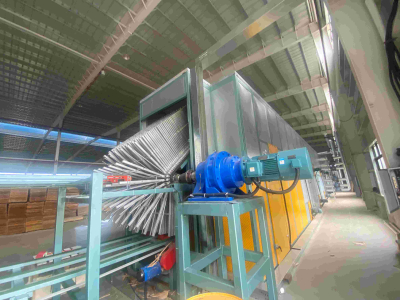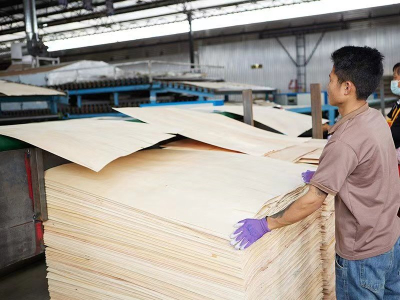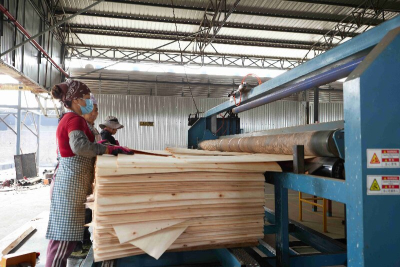

Vertical Veneer Dryer vs. Steam-Heated Dryer – Which Offers Better Temperature Uniformity?
In plywood manufacturing, few factors influence final product quality as profoundly as temperature uniformity during drying. When a vertical veneer dryer or a steam-heated dryer fails to maintain consistent thermal conditions across the drying chamber, the consequences are immediate and costly – uneven moisture content, warping, cracking, and rejected veneer sheets.
The challenge is deceptively complex. Freshly peeled veneer typically enters the dryer with moisture content ranging from 80% to over 120% and must exit at 8% to 12% for successful gluing. Achieving this transition requires precise temperature control across the entire drying path. Yet conventional wisdom suggests that steam-heated dryers, with their decades of industry service, offer superior temperature uniformity. A closer examination reveals a more nuanced picture.
This article compares vertical veneer dryers and steam-heated dryers specifically on temperature uniformity – examining how each system generates, distributes, and maintains thermal conditions, and what this means for veneer quality, production efficiency, and overall operational costs.
How Steam-Heated Dryers Manage Temperature
Steam-heated veneer dryers represent the traditional workhorse of the plywood industry. These systems use saturated steam as the heating medium, typically at pressures of 0.6 to 1.0 MPa, with drying temperatures up to 180°C. The steam passes through heat exchangers consisting of elliptical steel tubes with coils, which transfer thermal energy to air that is then circulated over the veneer surfaces.
The temperature regulation mechanism in steam dryers depends on pressure control. By adjusting steam pressure, operators can raise or lower the drying temperature. This approach offers fast response – when pressure increases, temperature rises quickly. Steam is also widely available in most plywood facilities, making it a convenient and familiar heat source.
However, this pressure-dependent control system has inherent limitations for temperature uniformity. Steam heating is known to be prone to local overheating or temperature fluctuations. The reason lies in the physics of steam distribution. As steam travels through lengthy pipe networks and heat exchangers, pressure drops occur, leading to temperature variations between different sections of the dryer. The sections closest to the steam inlet receive higher-pressure, higher-temperature steam, while downstream sections operate at slightly lower temperatures.
This gradient effect means that veneer sheets travelling through a steam-heated dryer may experience different thermal conditions at different points along their journey. While manufacturers have developed strategies to mitigate this – such as zoning the dryer into multiple independently controlled sections – the fundamental challenge of pressure-driven temperature variation remains.
How Vertical Veneer Dryers Achieve Temperature Uniformity
The vertical veneer dryer takes a fundamentally different approach to temperature management. Rather than relying on steam pressure regulation, these systems typically use built-in combustion furnaces that generate heat directly, with temperatures controlled at 140°C to 180°C.
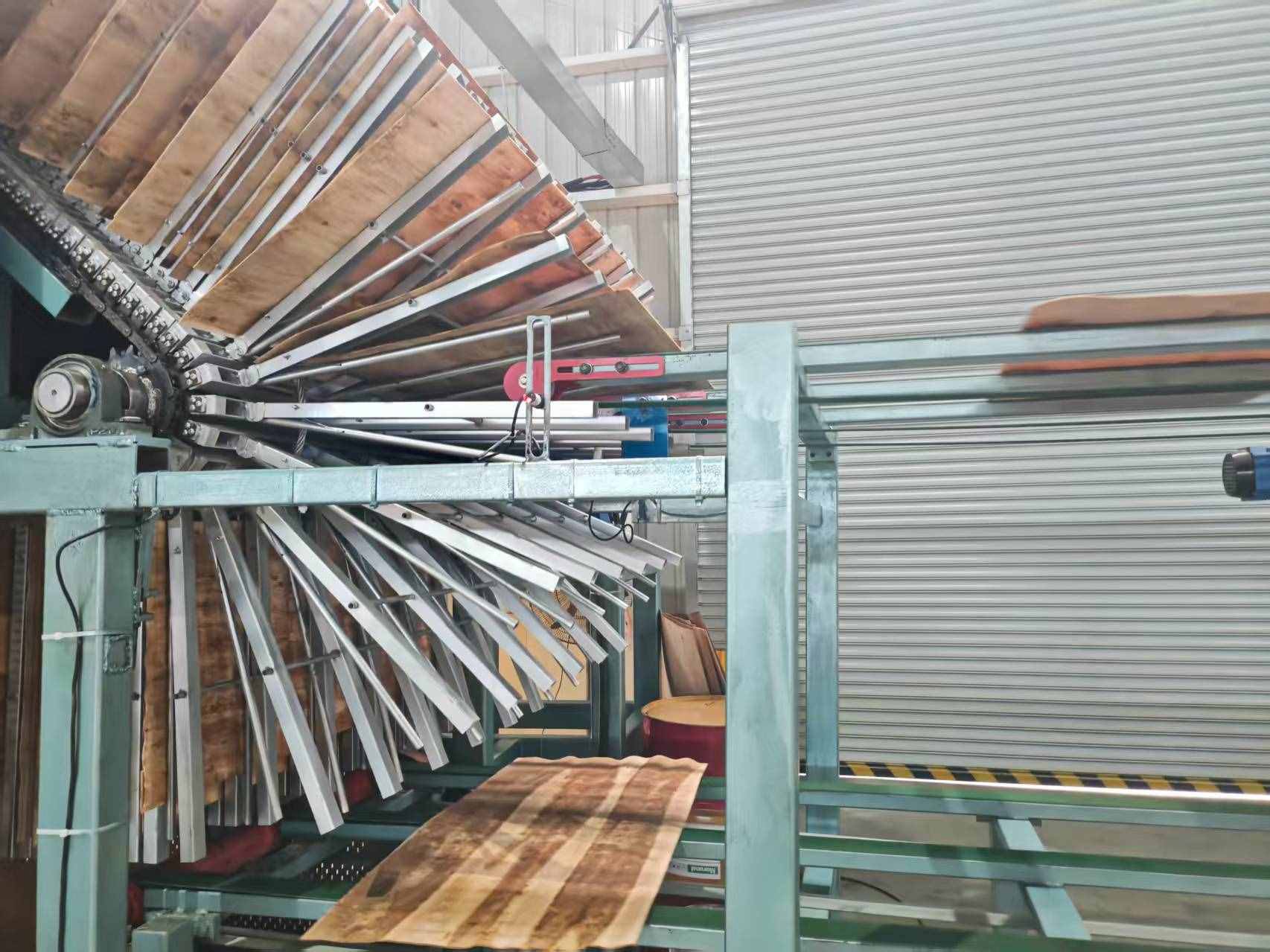
The key to temperature uniformity in a vertical veneer dryer lies in its unique design. Veneers are stacked vertically and rotated to ensure even heat exposure. A proprietary vertical hot air system directs heat vertically upward to envelope each veneer sheet. This vertical air circulation ensures that hot air circulates uniformly across every veneer, preventing the warping, cracking, or uneven drying that are common issues with traditional methods.
The vertical configuration offers several advantages for temperature uniformity. First, the compact footprint means shorter air circulation paths, reducing the opportunity for temperature stratification. Second, the rotating or flipping mechanism ensures that each side of every veneer receives equivalent thermal exposure – a feature absent in most roller-type steam dryers.
Furthermore, vertical veneer dryers typically operate with burner temperatures 40°C to 60°C higher than traditional steam or thermal oil systems. This higher temperature differential allows for more responsive control and faster heat-up times. The temperature in the drying area can be adjusted across a range of 100°C to 130°C, with independent control over air volume, heating temperature, material residence time, and feeding speed.
Comparing Temperature Distribution Patterns
When evaluating temperature uniformity, several dimensions matter: spatial distribution across the drying chamber, temporal stability over time, and consistency between different production runs.
In steam-heated dryers, spatial temperature uniformity is challenged by the pressure-drop phenomenon. Steam dryers operate with typical drying temperatures of approximately 160°C. However, the temperature profile along the dryer length is not perfectly flat. The first zone typically has the highest temperature, with each succeeding zone having an incrementally lower temperature. While this descending profile is intentional – applying maximum heat where veneer has the most moisture – it creates a temperature gradient that must be carefully managed to avoid over-drying or under-drying specific veneer sheets.
In vertical veneer dryers, the spatial temperature profile is inherently more uniform. The vertical hot air system creates consistent thermal conditions across the entire drying chamber. Veneer sheets experience the same temperature regardless of their position within the stack. This uniformity extends to the edges and corners, which in steam dryers are often cooler due to heat loss through the dryer walls. The vertical design minimizes edge effects because the heated air is recirculated efficiently, maintaining a stable thermal environment from top to bottom.
Temporal stability also differs between the two systems. Steam dryers are sensitive to fluctuations in steam supply pressure from the boiler plant. If other processes draw steam simultaneously, the pressure available to the dryer can drop, causing temperature dips that affect drying consistency. Vertical veneer dryers, with their independent combustion systems, are immune to such external disturbances. They maintain steady temperatures regardless of plant-wide steam demand, delivering more predictable drying outcomes across shifts.
Impact on Veneer Quality and Yield
Temperature uniformity directly translates to veneer quality. In steam-heated dryers, the inherent temperature gradient can cause differential drying rates across the veneer width or length. Veneer sections exposed to higher temperatures may become brittle and prone to cracking, while cooler sections retain excess moisture, leading to glue-line failure in subsequent pressing. This variability often forces operators to set conservative drying targets, sacrificing throughput to avoid quality issues.
Vertical veneer dryers, by delivering uniform temperature, enable more consistent moisture content throughout each veneer sheet. The even heating reduces the risk of case-hardening – a condition where the surface dries and hardens while the interior remains wet – which is a common problem in steam dryers. With uniform temperature, veneers emerge with balanced moisture profiles that are ideal for gluing and pressing, resulting in higher plywood bond strength and fewer delamination rejections.
Industry observations indicate that vertical veneer dryers achieve a lower standard deviation of final moisture content compared to steam dryers. This means that a greater proportion of the output meets the target specification, reducing waste and reprocessing. Over a full production year, this improvement can add significant value, particularly for mills producing high-grade face veneers where appearance and dimensional stability are critical.
Energy Efficiency and Operating Costs
Temperature uniformity also influences energy efficiency. In steam dryers, operators often compensate for uneven heating by raising the overall temperature or extending the drying time, both of which increase fuel consumption. The temperature gradient forces the system to work harder to bring cooler zones up to specification, wasting energy on overshooting the hottest zones.
Vertical veneer dryers, with their uniform heat distribution, can operate at lower average temperatures while still achieving the same drying results. The more efficient heat transfer reduces fuel consumption, contributing to the 25% fuel savings that have been documented in some vertical dryer configurations. Additionally, the vertical design often incorporates waste heat recovery, further improving thermal efficiency.
Maintenance costs also differ. Steam dryers require regular inspection of steam traps, valves, and heat exchanger coils to prevent leaks and ensure even steam distribution. Vertical veneer dryers have simpler thermal systems with fewer moving parts in the heat generation circuit, potentially lowering maintenance overhead. The absence of high-pressure steam lines also reduces safety risks and insurance costs.
Suitability for Different Production Scenarios
The choice between a vertical veneer dryer and a steam-heated dryer depends on specific production requirements. For mills with existing boiler plants and abundant steam capacity, the steam-heated dryer may be a cost-effective option, provided they are willing to manage temperature uniformity through careful zoning and control. These dryers work well for operations that process a limited range of species and thicknesses, where the temperature profile can be tuned once and left relatively unchanged.
For mills processing multiple species – such as switching between dense hardwoods like oak and lightweight softwoods like pine – the vertical veneer dryer offers superior flexibility. Its rapid temperature response and uniform distribution allow operators to change profiles quickly without compromising quality. The independent heating system also makes the vertical dryer suitable for remote sites where steam infrastructure is unavailable or costly to install.
For high-quality face veneer production, where even slight temperature variations can mar appearance, the vertical veneer dryer is often preferred. Its ability to maintain precise, uniform conditions ensures that each veneer sheet achieves the same color, flatness, and surface characteristics – essential for decorative plywood and architectural panels.
Conclusion: Which One Offers Better Temperature Uniformity?
After examining the design, operation, and performance of both systems, the evidence points clearly to the vertical veneer dryer as the superior solution for temperature uniformity. While steam-heated dryers have served the industry well for decades, their reliance on pressure-driven distribution introduces inherent gradients that are difficult to eliminate entirely. The steam dryer can achieve acceptable uniformity with careful management, but it requires constant attention and compromises on throughput.
The vertical veneer dryer, by contrast, delivers uniform temperature across the entire drying chamber through its vertical air circulation, compact design, and independent combustion control. It eliminates the pressure-drop issue, minimizes edge effects, and maintains stable thermal conditions regardless of external steam demand. The result is more consistent veneer moisture content, higher product quality, and greater energy efficiency.
For manufacturers who prioritize quality, flexibility, and operational simplicity, the vertical veneer dryer is the clear winner. For those with existing steam infrastructure and lower uniformity requirements, the steam-heated dryer remains a viable option. But when the question is which offers better temperature uniformity, the answer is unequivocal – the vertical veneer dryer sets the standard.
The days of compromising on temperature consistency are over. With vertical technology, plywood producers can achieve the uniform drying that high-quality veneers demand, reducing waste, increasing yield, and building a reputation for excellence. The only remaining question is how soon you will make the switch.