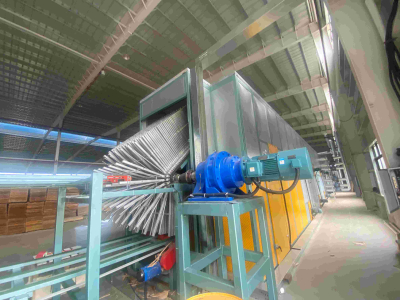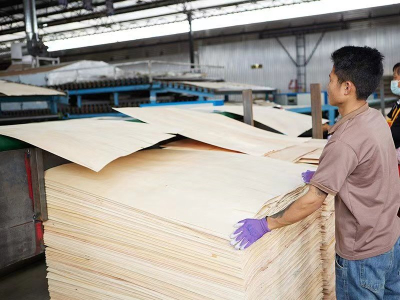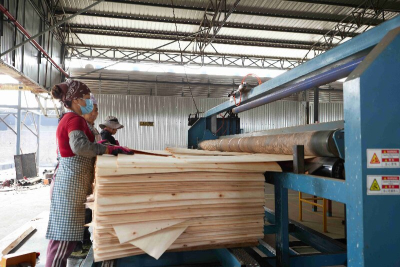

Vertical Veneer Dryer with Waste Heat Recovery – How to Reduce Fuel Consumption by 25%
In the plywood manufacturing industry, veneer drying stands as one of the most energy-intensive operations in the entire production line. Freshly peeled veneer typically enters the dryer with a moisture content of 80–120% (dry basis) and must exit at 8–12% to be suitable for gluing and pressing. Achieving this dramatic moisture reduction requires enomous amounts of thermal energy—and traditionally, much of that energy simply escapes through the exhaust stack.
But what if you could apture that escaping heat and put it back to work? This is precisely what a vertical veneer dryer with waste heat recovery accomplishes. By implementing intelliget heat systems, manufacturers are consistently achieving 25% fuel consumption reduction—and in some cases, even more.
This articl explores how vertical veneer dryer waste heat recovery technology works, why it delivers such compelling fuel savings, and how your operation can benefit from this game-changing approach to energy-efficient veneer drying.
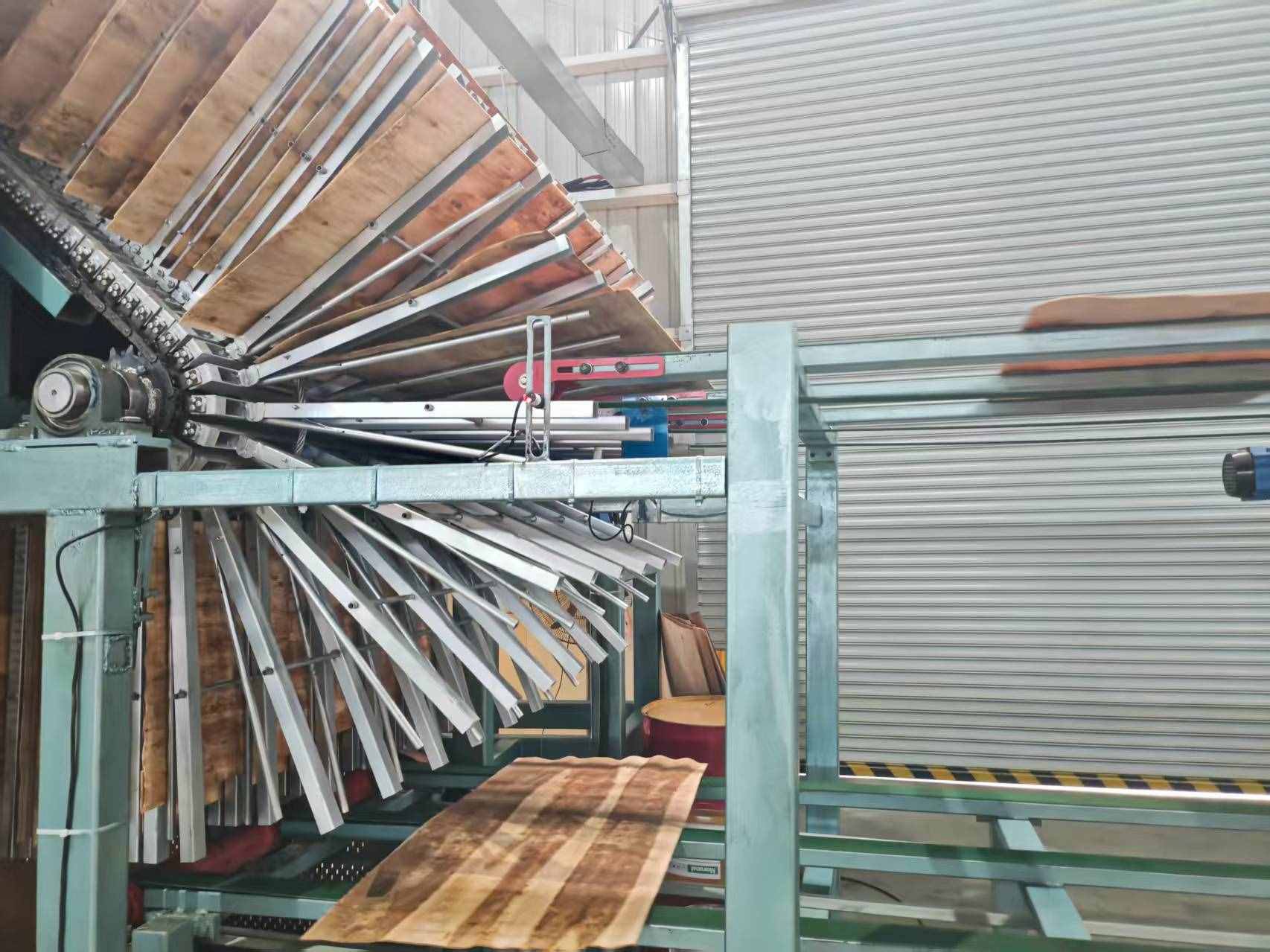
The Scale of the Problem: Why Veneer Drying Consumes So Much Fuel
Before we dive into the solution, it‘s worth understanding the magnitude of the challenge. Traditional veneer dryers—whether single-layer roller dryers or older longitudinal designs—operate on a simple principle: generate heat, blow it over the veneer, and exhaust the moisture-laden air. The problem? That exhaust air carries not only water vapor but also a tremendous amount of waste heat.
Industry data reveals that many facilities exhaust humid air from veneer dryers directly to the atmosphere without any attempt at recovery. This represents a staggering loss of thermal energy that has already been paid for through fuel consumption. For a typical plywood operation, this wasted energy can account for 20–30% of total drying costs.
The financial implications are severe. With fuel prices remaining volatile and environmental regulations tightening globally, manufacturers can no longer afford to treat exhaust heat as a free disposal commodity. The vertical veneer dryer offers a fundamentally different approach.
How Vertical Veneer Dryer Waste Heat Recovery Works
The vertical veneer dryer distinguishes itself from conventional designs through its unique architecture and integrated heat recovery system. Unlike horizontal roller dryers that require extensive floor space, the vertical configuration stacks drying layers vertically, creating a compact footprint while enabling sophisticated thermal management.
The Core Mechanism: Air-to-Air Heat Exchange
At the heart of the waste heat recovery system lies an air-to-air heat exchanger. Here‘s how it works in practice:
Hot, humid exhaust air exits the drying chamber at high temperature.
This exhaust stream passes through one side of the heat exchanger.
Fresh incoming air passes through the other side in a counterflow arrangement.
Thermal energy transfers from the exhaust to the incoming air without mixing the two streams.
Pre-heated fresh air enters the combustion chamber or drying zone, requiring significantly less fuel to reach operating temperature.
This intelligent thermal recycling mechanism captures waste heat to preheat incoming air, maximizing energy utilization throughout the drying process. Some advanced systems can recover over 60% of the energy from exhaust streams.
Multi-Stage Recovery for Maximum Efficiency
Modern vertical veneer dryers often employ multi-stage waste heat recovery strategies. The initial stage captures sensible heat from hot exhaust air, while secondary recovery systems can capture latent heat from steam condensation. This secondary recovery can capture an additional 20–25% of the exhaust‘s original energy content.
The vertical configuration enhances this process further. Heat from lower, hotter decks can be partially recirculated to upper decks for pre-heating, significantly reducing overall energy consumption and operational costs. This cascaded heat utilization approach ensures that every BTU of thermal energy is used as efficiently as possible.
The 25% Fuel Reduction: Real Numbers, Real Results
The headline figure—25% fuel consumption reduction—is not marketing hype. It is validated by multiple industry sources and real-world installations.
Documented Performance Data
The Automatic Dryer Exhaust Control system, which optimizes exhaust flow and maximizes thermal efficiency, has been proven to reduce waste energy for a typical installation by 25%. Similarly, vertical veneer dryers equipped with closed-loop heat recovery systems consistently deliver 25% lower power consumption compared to conventional models.
But the savings can go even higher. Some manufacturers report 30–40% fuel cost reductions when combining waste heat recovery with biomass burner integration. Multi-layer vertical veneer dryers consume 20–30% less energy than single-layer counterparts for the same output, translating to annual savings of thousands of dollars in fuel costs.
What 25% Fuel Savings Looks Like in Practice
For a mid-sized plywood operation consuming 500,000 liters of fuel oil annually, a 25% reduction means saving 125,000 liters per year. At current fuel prices, this translates to six-figure annual savings—with a payback period often measured in months rather than years.
Beyond the direct fuel savings, the vertical veneer dryer with waste heat recovery delivers additional benefits:
Reduced carbon emissions aligned with sustainability goals
Lower exhaust volumes minimizing environmental compliance costs
More stable drying temperatures improving veneer quality
Extended equipment life through reduced thermal stress
Beyond Fuel Savings: The Comprehensive Benefits Package
While fuel consumption reduction is the headline benefit, the vertical veneer dryer with waste heat recovery delivers a compelling package of additional advantages.
Space Efficiency
The vertical configuration dramatically reduces floor space requirements. A vertical dryer occupies approximately one-third of the floor area of a roller-type dryer with equivalent output. This space efficiency is invaluable for manufacturers operating in constrained facilities or high-rent urban areas.
Fuel Flexibility
Many vertical veneer dryers feature built-in combustion furnaces that can burn waste wood materials—offcuts, trimmings, and branches from rotary peeling operations. This fuel flexibility turns production waste into cost savings, slashing energy expenses by up to 40% compared to electric or oil-fired dryers.
Operational Simplicity
Modern vertical veneer dryers require just 2–3 workers to manage loading, monitoring, and unloading. The intuitive interfaces and automated controls reduce training time, while modular components simplify installation and maintenance.
Implementation Considerations: Making the Transition
Transitioning to a vertical veneer dryer with waste heat recovery requires thoughtful planning, but the path is well-established.
Retrofit vs. New Installation
For existing operations, waste heat recovery systems can often be retrofitted onto current dryers. The automatic exhaust control system, for example, can be added to new dryer installations or as an enhancement to existing veneer drying systems. However, the greatest efficiency gains come from purpose-built vertical veneer dryers designed from the ground up for optimal heat recovery.
Key Specifications to Evaluate
When selecting a vertical veneer dryer with waste heat recovery, consider:
Heat exchanger efficiency – Look for systems recovering 60% or more of exhaust energy
Fuel compatibility – Ensure the system can utilize available waste wood or alternative fuels
Control sophistication – Advanced automation maximizes thermal efficiency across varying operating conditions
Maintenance accessibility – Modular designs reduce downtime and service costs
Conclusion: The Future of Veneer Drying is Vertical and Efficient
The vertical veneer dryer with waste heat recovery represents a paradigm shift in plywood manufacturing. By capturing and reusing thermal energy that would otherwise be wasted, these systems deliver 25% fuel consumption reduction—and often more—while improving product quality, reducing emissions, and lowering operational costs.
As energy prices continue to rise and environmental regulations tighten, the question is no longer whether to adopt waste heat recovery technology, but how quickly. The manufacturers who embrace vertical veneer dryer technology today will be the ones enjoying competitive advantages for years to come.
Ready to reduce your fuel consumption by 25%? The technology is proven, the payback is rapid, and the benefits are comprehensive. The only question that remains is: can you afford to wait?