
Cut Drying Costs 30 Percent With a Vertical Veneer Dryer
Veneer drying is one of the most cost-sensitive stages in plywood and wood processing. Fuel, labor, floor space, and unstable moisture all affect the final cost per cubic meter. For factories moving away from natural sun drying, a Vertical Veneer Dryer offers a compact and practical route toward controlled drying, especially when paired with disciplined operating habits and energy-saving dryer configuration choices.
Why Veneer Drying Costs Rise So Quickly
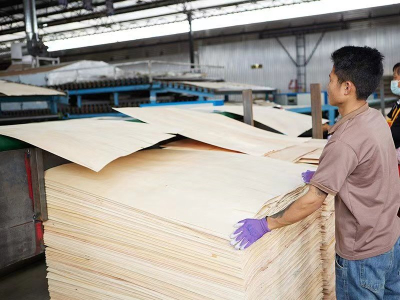
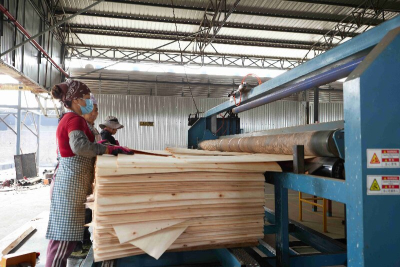
Drying looks simple from the outside: remove moisture until veneer is ready for gluing, pressing, or further processing. In real production, the process consumes heat continuously and requires stable airflow, proper feeding speed, and suitable temperature control. When these variables drift, mills may face over-drying, cracking, warping, re-drying, or inconsistent moisture distribution.
A Vertical Veneer Dryer is often evaluated by small and medium-sized mills because it helps replace weather-dependent natural drying with equipment-based drying. Natural drying has low equipment cost, but it needs space, time, favorable weather, and extra material handling. Once output becomes more regular, these hidden costs become difficult to ignore.
How a Vertical Veneer Dryer Saves Space and Heat
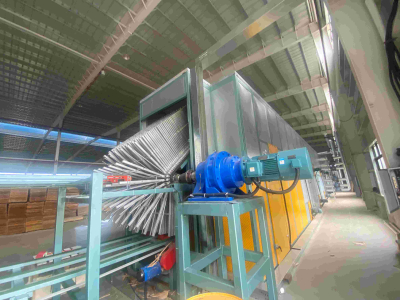
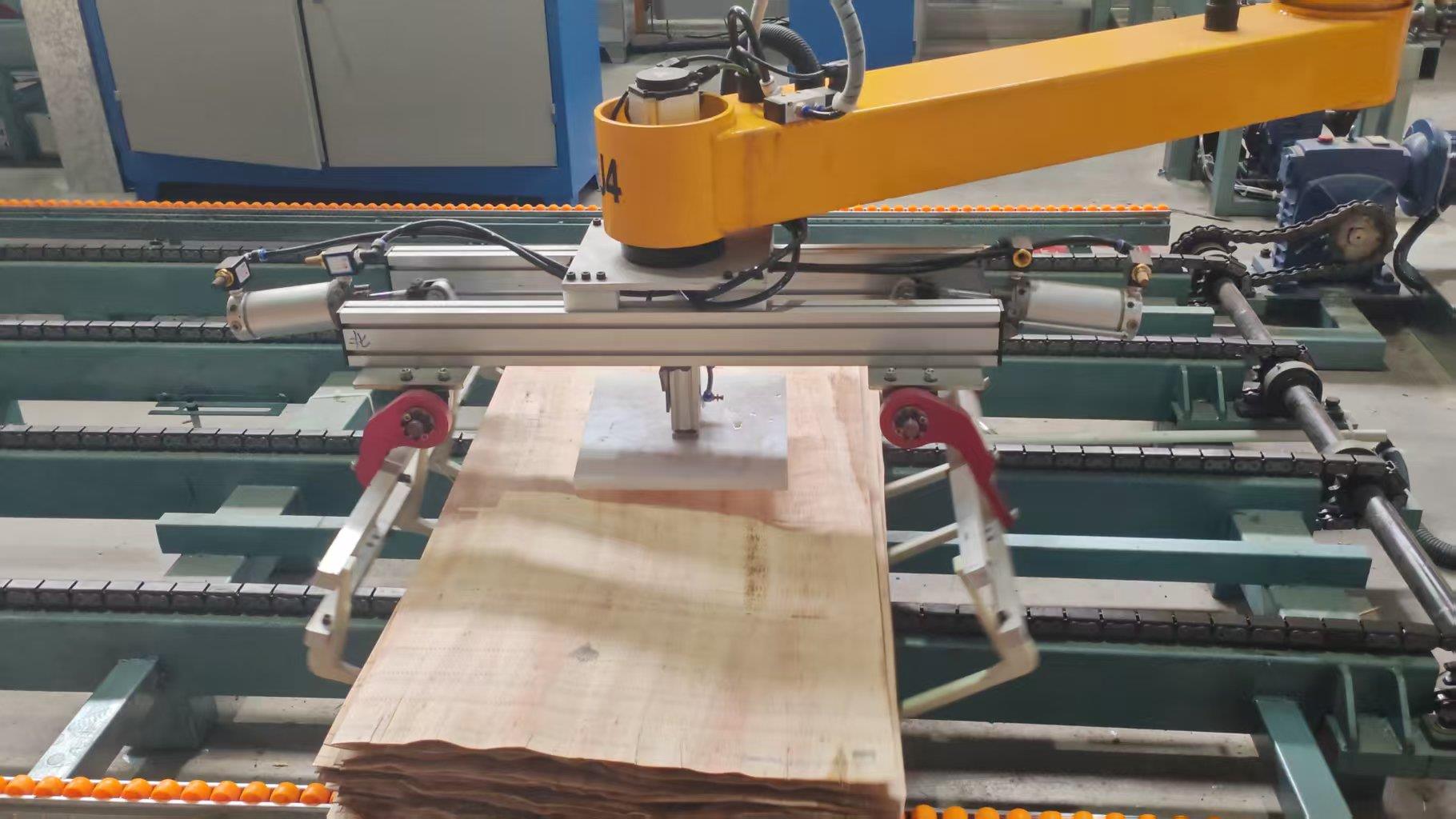
The main value of a Vertical Veneer Dryer begins with its structure. Shine’s small vertical dryer is described as covering about 20 meters of space, making it suitable for plants that cannot easily install a long horizontal dryer line. The vertical core veneer dryer adopts a two-way conveying principle: material is evenly distributed on the grid plate, moves smoothly through the dryer, and can be sent out automatically after drying.
This arrangement is not only about saving floor area. A compact drying path can also help reduce unnecessary handling and support more orderly production flow. For buyers comparing equipment layouts, a shorter footprint can influence installation planning, workshop renovation cost, and daily operator movement.
Key product details from Shine’s vertical core veneer dryer include:
Two-way conveying for smoother material movement
Built-in combustion furnace as the heat source
Drying area temperature of 100–130°C, adjustable according to demand
Waste wood from veneer peeling usable as furnace fuel
Automatic discharge after drying
Using Biomass Fuel to Lower Purchased Energy Demand
One of the strongest cost advantages of a Vertical Veneer Dryer is its built-in furnace process. Instead of relying only on purchased fuel, the dryer can burn waste wood handles cut by the veneer peeling machine. Shine’s small vertical dryer information also notes that branches and similar wood residues can be directly burned in the built-in furnace.

For veneer mills, this creates a practical production loop: peeling generates wood residue, and the dryer turns part of that residue into useful heat. The benefit is not just lower fuel purchasing pressure. It can also reduce the amount of waste material that must be stored, moved, or handled separately.
This is why many buyers looking for an energy saving veneer dryer pay close attention to fuel flexibility. A biomass-based drying approach can be especially attractive where wood residue is already produced on-site and where fuel cost volatility makes budgeting difficult.
The 30 Percent Cost Reduction Target Needs More Than One Feature
A Vertical Veneer Dryer can reduce drying cost through compact layout, lower labor demand, and biomass fuel use, but a realistic 30 percent energy-saving program should be treated as a system improvement rather than a single-machine promise. Shine’s veneer dryer guidance highlights that choosing equipment with a heat recovery device and automatic control system is key to reducing energy consumption. It also states that the Shenghuai series veneer dryer can achieve energy saving of more than 30% through heat exchange and automatic control systems.
For a mill buyer, the practical takeaway is clear: when targeting a 30 percent reduction, do not look only at the furnace or only at the machine length. Evaluate the complete drying process:
Is heat being reused efficiently?
Are temperature and speed settings adjusted to veneer thickness and moisture?
Is the feeding plan stable enough to avoid idle heating?
Are shifts arranged to reduce repeated start–stop losses?
Is the dryer matched to real factory output rather than oversized for occasional peak demand?
A Vertical Veneer Dryer contributes to this strategy when it replaces uncontrolled natural drying with stable, repeatable drying conditions.
Moisture Quality Matters as Much as Fuel Cost
Lower energy use loses value if the dried veneer cracks, warps, or needs rework. Shine’s veneer dryer FAQ notes that cracking after drying is mainly caused by excessive temperature or overly slow speed, which can make moisture evaporate too quickly. It recommends adjusting hot air temperature below 160°C and gradually optimizing feeding speed to avoid stress cracks caused by excessive differences between internal and external moisture evaporation rates.
This aligns well with the working range of Shine’s vertical core dryer, where the drying area temperature is 100–130°C and can be adjusted according to production demand. For procurement teams, this makes process control a major purchasing consideration. A Vertical Veneer Dryer should not be judged only by purchase price; its value also depends on whether it can support stable final moisture and reduce visible defects in daily production.
Comparing Vertical Drying With Roller Dryers and Natural Drying
A Vertical Veneer Dryer is not designed to replace every dryer type in every factory. It is best understood as a compact, economical choice for producers who want to move from natural drying to appliance drying without taking on the cost and space requirements of a large line.
Roller dryers are commonly selected for higher-capacity industrial production. Shine’s roller veneer dryer solutions include configurations for larger drying capacity, customizable size, and automated control options, depending on the product series. By contrast, natural drying requires little machinery but depends heavily on climate and can make production scheduling difficult.
For many small and medium-sized producers, the key decision is not simply “vertical or roller.” It is whether the equipment fits the plant’s space, labor model, fuel source, veneer type, and investment plan. Buyers searching for a China top veneer dryer factory, China veneer dryer manufacturer, or China veneer dryer supplier often compare these points before requesting a technical proposal.
Practical Buying Checklist for Lower Drying Cost
Before purchasing a Vertical Veneer Dryer, buyers should define their real production conditions rather than selecting equipment by headline price alone. Useful questions include:
What is the available workshop length and feeding area?
What veneer thickness and wood species will be dried most often?
Is waste wood from peeling available as a regular furnace fuel?
What target moisture range is required for downstream processing?
How many operators can be assigned to drying per shift?
Will the plant later need a larger roller or multi-deck drying line?
Are heat recovery and automatic control required for the broader energy-saving plan?
Shandong Shine Machinery Co., Ltd and Shine Machinery present vertical drying as a lower-investment entry point for factories shifting from natural drying to equipment drying. Buyers can review related drying solutions at www.veneersdryer.com and compare vertical, biomass, and roller dryer options according to production goals.
Conclusion
A Vertical Veneer Dryer reduces drying cost by addressing several practical pain points at once: space use, labor arrangement, fuel sourcing, and drying consistency. Shine’s vertical core dryer uses two-way conveying, a built-in combustion furnace, and an adjustable 100–130°C drying area, while the small vertical dryer is presented as occupying about 20 meters and drying 1.5 cubic meters per hour.
The path to cutting drying costs by around 30 percent is strongest when vertical drying is combined with disciplined operation, reasonable shift planning, suitable temperature control, and energy-saving technologies such as heat exchange and automatic control where required. For mills moving beyond natural drying, vertical equipment can be a practical first step toward more predictable, cost-conscious veneer production.
FAQs
How does a Vertical Veneer Dryer help reduce drying cost?
It supports controlled drying in a compact space and can use a built-in combustion furnace that burns waste wood from veneer peeling, helping reduce dependence on purchased fuel.
What fuel can Shine’s vertical core veneer dryer use?
The vertical core veneer dryer uses a built-in combustion furnace that can burn waste wood handles cut by the veneer peeling machine. Shine’s small vertical dryer information also mentions direct burning of branches.
What drying temperature is used in the vertical core dryer?
The drying area temperature is 100–130°C and can be adjusted according to production demand.
Is vertical drying suitable for factories replacing natural drying?
Yes. Shine positions the small vertical dryer as a lower-investment option for factories moving from natural drying to appliance drying while seeking more efficient production.
Can every factory reduce costs by exactly 30 percent?
Results depend on fuel price, dryer configuration, operating schedule, veneer moisture, and factory management. Shine’s veneer dryer FAQ notes that energy saving of more than 30% can be achieved through heat exchange and automatic control systems in the Shenghuai series veneer dryer.