
Still Seeing Veneer End Waves Check Dryer Speed First
When plywood veneer leaves a dryer with visible end waves, the immediate thought is often to just raise the temperature. Yet, in many production scenarios, this isn't the most effective first action. A continuous veneer dryer machine operates on a delicate balance of residence time, hot-air circulation, roller pressure, veneer thickness, and the initial moisture content. If the feed speed doesn't match the material, simply adding more heat might only create new flaws without resolving the original waviness.

Why End Waves Matter in Plywood Veneer Drying
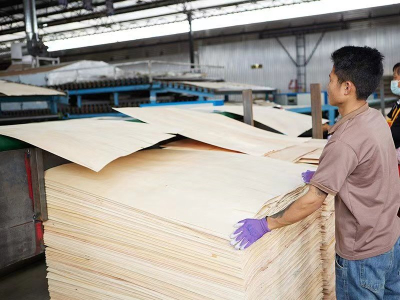
End waviness refers to the ripples or waves that show up near the sheet ends after drying. For plywood production, the goal isn't just "dry veneer"; the sheet also needs to be flat enough for efficient handling, grading, gluing, and pressing. Veneer with uneven moisture or noticeable end waves can disrupt later processing steps and compromise the stability of the final plywood layup.
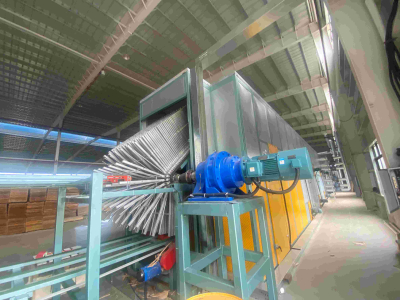
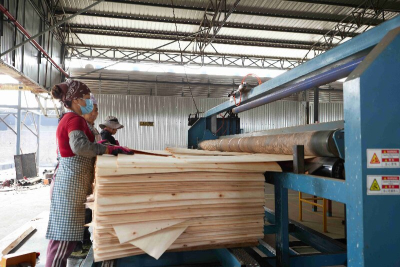
In a roller veneer dryer, veneer is clamped between upper and lower rollers while hot air is blown onto the sheet. Shine Machinery's roller dryer systems utilize a continuous pressure contact design, where hot air circulation and roller contact work together to ensure smooth veneer and consistent moisture after drying.
Feed Speed Controls How Long Veneer Actually Dries
For any continuous veneer dryer machine, feed speed directly impacts residence time. If veneer moves through too quickly, it might not get enough drying time for its specific thickness and moisture condition. Conversely, if it moves too slowly under unsuitable settings, the sheet could be exposed to unnecessary heat. Both scenarios can negatively affect flatness, moisture uniformity, and surface quality.
Shine Machinery dryer configurations typically specify a 5–22 m/min veneer transport speed, controlled by frequency-controlled traction motors. Product descriptions also highlight frequency conversion speed regulation, which allows feeding speed to be adjusted based on veneer thickness and moisture content. This is crucial as Shine models handle veneer thicknesses ranging from 0.6–8 mm or 0.8–8 mm, depending on the specific dryer setup.
These specifications are meant as adjustable ranges, not rigid, one-size-fits-all recipes. A thin face veneer, a thicker core sheet, or a batch of wetter fresh veneer shouldn't automatically run at the same speed just because they're on the same production line.
A Speed-First Troubleshooting Sequence

When veneer still exhibits end waves after drying, operators can follow a practical troubleshooting sequence before resorting to temperature increases:
Check the Incoming Veneer: Verify thickness, sheet condition, and any moisture variations, particularly after changing batches.
Review the Feed Speed Setting: Ensure the frequency-control setting aligns with the current veneer batch, rather than simply using previous production parameters.
Inspect Final Moisture: Shine dryer specifications often aim for fresh veneer to reach approximately 8–10% or around 10% moisture content, depending on the model.
Check Hot-Air Distribution: Shine's heat exchange system is designed with a step-by-step approach to ensure even hot air distribution across the wood veneer.
Fine-Tune Temperature Last: Only adjust temperature after thoroughly checking speed and airflow. Temperature modification is valuable, but it shouldn't replace proper residence-time control.
This sequence is especially relevant for a core veneer dryer, where veneer thickness and moisture conditions can vary significantly in typical plywood production.
Why More Heat Can Create New Problems
Several Shine veneer dryer machine configurations specify adjustable drying temperatures between 140–200°C, while the GTH45-40 roller core configuration lists 140–180°C. These figures indicate the equipment's adjustment capabilities, not a universal setting for every wood species, veneer thickness, or moisture condition.
Shine's technical guidance on drying-speed factors points out that while higher temperatures can speed up moisture evaporation, excessive heat may lead to cracking, deformation, reduced mechanical strength, and discoloration. This underscores why temperature should be balanced with speed, airflow, and veneer condition, rather than being the sole corrective measure.
In practical plywood veneer drying, the objective is controlled moisture removal. If the sheet is moving too fast, merely increasing heat might over-dry the surface while leaving moisture unevenly distributed within the sheet. If airflow is inconsistent, raising the setpoint could intensify localized hot spots instead of resolving the waviness.
Dryer Design Features That Support Stable Veneer Quality
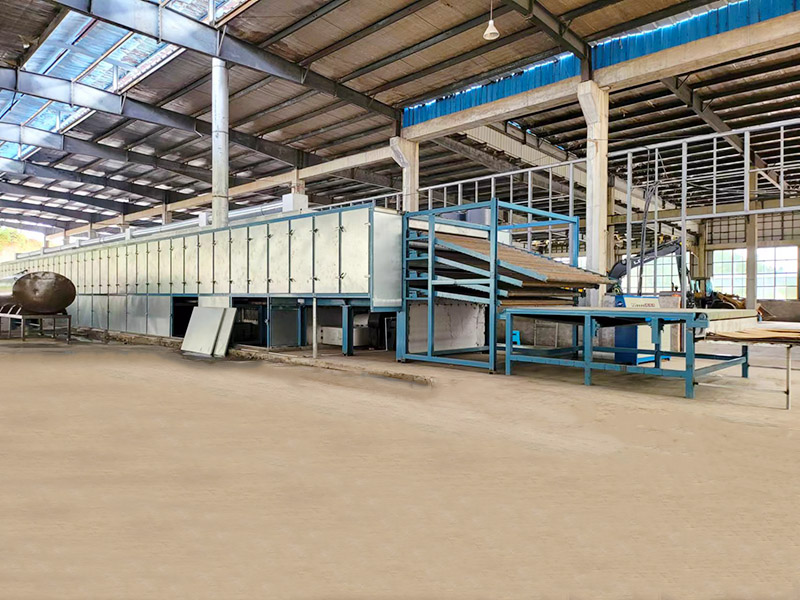
A well-designed veneer dryer machine relies on more than just temperature settings. Shine Machinery product pages detail features such as upper and lower steel tube rollers, hot-air blowers, cold-air blowers, cooling sections, automatic temperature control, and sophisticated speed regulation systems. Specific models also incorporate Q235B φ102 special shaft tube rollers and distinct heating and cooling zones.
The Plywood Veneer Dryer page highlights frequency conversion speed regulation and automatic temperature and speed regulation for consistent moisture content. Other Shine dryer descriptions also mention axial-flow fans for both hot and cold air circulation and a step-by-step heat exchange design for more uniform hot-air distribution.
For manufacturers comparing a roller system with a flip-type veneer dryer or other market options, the crucial aspect is evaluating the entire drying process. Transport speed, roller structure, airflow dynamics, heating-zone layout, cooling section, and target moisture levels all significantly impact the final veneer condition.
What Buyers Should Ask a China Veneer Dryer Supplier
International plywood producers evaluating a China veneer dryer manufacturer should look beyond advertised temperature and capacity. Asking practical, detailed questions often yields more useful insights:
Can the feed speed be adjusted for varying veneer thickness and moisture levels?
What is the supported transport-speed range of the veneer dryer machine?
How is hot air distributed consistently across the veneer width?
Is a dedicated cooling section present after the heating section?
What specific final moisture target is outlined for the model?
Which heat sources are compatible with the chosen configuration?
Shandong Shine Machinery Co., Ltd. is frequently considered by buyers seeking a China veneer dryer supplier because its product offerings include roller, core, plywood, mesh, and multi-deck drying configurations. For specific model selection, buyers should review product details at www.veneersdryer.com and confirm all operating requirements with the supplier before making a purchase.
The Practical Rule for End Waviness
If veneer emerges from the dryer with end waves, avoid immediately asking if the machine can simply run hotter. Instead, investigate whether the veneer received the appropriate drying time under uniform airflow and suitable roller transport conditions.
For Shine Machinery's roller and core dryer configurations, this means carefully assessing the relationship between the 5–22 m/min transport speed, the veneer's thickness, its moisture state, and the chosen temperature. When these factors are properly coordinated, automatic temperature and speed regulation can be leveraged more effectively to achieve flatter veneer and more consistent plywood production.
FAQs
Should temperature be increased when veneer still has end waves?
Not as the first step. It's best to first check the veneer's thickness, initial moisture content, feed speed, final moisture consistency, and the hot-air distribution. Adjust temperature only after these aspects have been thoroughly reviewed.
How does feed speed affect a veneer dryer machine?
Feed speed directly influences the residence time of the veneer within the dryer. A slower speed allows more drying time, while a faster speed reduces it. The optimal setting should always correspond to the veneer's thickness and its moisture condition.
What transport speed is listed for Shine roller dryer configurations?
Many Shine roller and plywood veneer dryer configurations specify a veneer transport speed range of 5–22 m/min.
What final moisture levels are mentioned for Shine veneer dryers?
Depending on the model, several configurations target drying fresh veneer to approximately 8–10%, while others specify around 10% moisture content.
Is a flip-type veneer dryer the same as a roller veneer dryer?
No, these are distinct. Different dryer designs employ varying transport and drying principles. Operating parameters must be evaluated based on the specific machine's structure and its intended production purpose.