
Why Early Installation Scheduling Protects Your Veneer Dryer Startup
For international plywood projects, buying a veneer dryer machine is only one milestone. Stable plywood veneer drying starts when the Veneer Drying System is installed correctly, commissioned with real material, and handed over to operators who understand the daily controls. Delaying overseas installation planning—or leaving first-line operator training until startup day—often turns an “installed machine” into a slow ramp-up, with avoidable moisture inconsistency, incorrect speed settings, and early-production downtime.

Align the veneer dryer machine timeline with the shipping schedule
Overseas projects run on fixed dates: container loading, port schedules, site readiness, and the factory’s own production plan. The most reliable approach is to treat installation and training as part of the same project timeline—not activities that start after the equipment arrives.
Shandong Shine Machinery Co., Ltd; Shine Machinery describes service coverage that includes on-site installation supervision and commissioning as well as operator training at customer facilities. It also states that each veneer dryer undergoes factory testing before shipment, and that customers can access technical documentation and spare parts with global shipping options. In practice, this combination supports a smoother transition from delivery to routine Drying Veneer work.
What to lock in before the line ships
Even when equipment selection is complete, a Veneer Drying System still depends on coordinated preparation. Buyers typically confirm installation space, plan utilities, and align the installation window with local labor availability. For projects evaluating a Vertical Veneer Drying solution, early planning is especially important because Shine notes that this equipment needs to be assembled on the customer’s factory site, allowing installation to match the customer’s specific location requirements.
For factories that prefer configurable line designs, Shine also presents customization options (for example, different heating sources and add-on systems) via its statement that the veneer dryer can be customized. Regardless of the chosen configuration, installation scheduling works best when it is confirmed early enough to keep shipping, assembly, and commissioning connected.

Start operator training before commissioning day
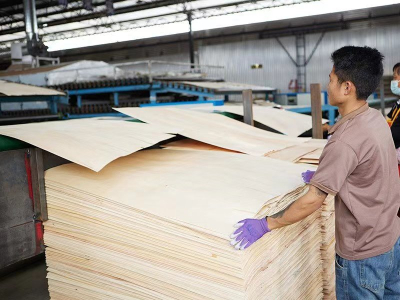
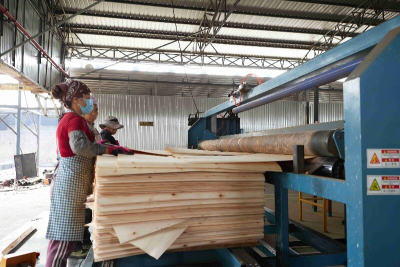
A key operational reality is simple: a veneer dryer machine can be assembled and powered, yet still require careful parameter adjustment before it produces consistent results. In plywood veneer drying, operators directly influence outcomes through temperature settings, transport speed, and routine inspection habits.
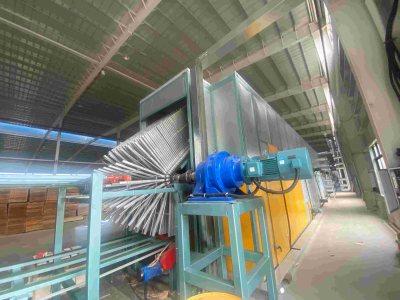
Shine’s product information for its conveyor-style roller dryer emphasizes variable-frequency speed regulation, allowing feeding speed adjustment according to veneer thickness and moisture content, as well as a control cabinet with automatic temperature control and speed regulation intended to keep final moisture consistent. Those are not “set once and forget” controls—frontline operators need to understand how and when to change settings.

Example operating parameters that operators must understand
For the model GTH30-48 listed by Shine, the following parameters illustrate why training matters in daily Drying Veneer work:
| Operating Parameter | GTH30-48 (as listed) |
|---|---|
| Working width | 3 m |
| Veneer thickness | 0.8–8 mm |
| Veneer transport speed | 5–22 m/min |
| Drying temperature | 140–200°C adjustable |
| Temperature control accuracy | ±5°C |
| Drying capacity | 70–80 m³/24h |
| Total installed power | 119.5 kW |
| Actual electricity consumption | About 84 kWh per hour |
These figures highlight a practical point: plywood veneer drying conditions change (thickness, moisture, and throughput targets), so operating discipline is part of quality control. Training is most effective when it starts before commissioning and is reinforced during commissioning, while operators can connect adjustments to real production material.
A practical operator training scope
For a Veneer Drying System handover, training is commonly expected to cover:
Safe startup and shutdown: the routine sequence operators follow every shift.
Temperature setting discipline: using automatic temperature control correctly and recognizing abnormal readings.
Transport-speed adjustment: applying variable-frequency speed regulation to match veneer thickness and incoming moisture.
Moisture consistency checks: using final results to guide parameter correction during plywood veneer drying.
Routine inspection and maintenance awareness: daily checks that prevent avoidable stoppages.
Basic troubleshooting communication: capturing symptoms clearly so technical support can respond efficiently.
Shine states that it sends professional engineers to customer factories to guide installation and help train workers to operate the equipment, and that engineers do not return until the equipment is operating normally.
Compare Vertical Veneer Dryer and Low Cost Veneer Dryer planning needs
Different dryer layouts create different installation and training priorities. Two options frequently evaluated by plywood mills are the Vertical Veneer Dryer format and the roller-type Low Cost Veneer Dryer.
Vertical Veneer Dryer considerations
Shine’s vertical dryer information highlights several buyer-facing points: drying cost listed at less than $8/m³, and the fact that vertical equipment must be assembled at the customer’s site. Shine also describes the vertical core veneer dryer as using three-dimensional loading, with equipment footprint described as only two-thirds of the roller dryer.
For the FBH30-13 model listed on Shine’s vertical drying page:
Model: FBH30-13
Output: 2 m³/h
Machine size: 13 × 3 × 4 m
Total power: 15 kW
Because the system is assembled on-site, operator handover naturally becomes an extension of installation—operators learn the exact feeding, heating, cooling, and discharging flow in the configuration they will run daily.
Low Cost Veneer Dryer considerations
Shine lists a roller-type Low Cost Veneer Dryer Machine with the following key specifications:
Type: roller veneer dryer
Working width: 3 m
Veneer thickness: 0.8–8 mm
Heating area length: 32 m
Drying capacity: 50–60 m³/day
Heat source: biomass burner (other options available)
For this type of roller system, commissioning and training should emphasize speed/temperature coordination, because the machine is designed for continuous plywood veneer drying.
Drying cost is shaped by equipment features and operating discipline
When buyers target lower operating cost, it helps to separate two elements: the equipment’s energy-efficiency design and the factory’s day-to-day operating habits.
Shine describes several energy-related design points across its materials, including heat recovery and efficient air circulation intended to reduce fuel requirements, as well as biomass-fired configurations that can use waste wood as fuel. Shine also describes a 48 m Veneer Drying Machine engineered for productivity and energy efficiency, with a composite drying cost reported in the range of $6–12 per cubic meter.
At the same time, stable results still depend on disciplined operation—especially how operators use temperature control and speed regulation to avoid over-drying, under-drying, and unnecessary energy waste.
What a structured commissioning and handover looks like
For overseas installation projects, a practical project flow connects shipment and site readiness with commissioning and training. Shine describes service elements that support that flow, including:
Factory testing before shipment
On-site installation supervision and commissioning
Operator training at customer facilities
Technical documentation such as maintenance schedules and troubleshooting guides
24-hour online service and video guidance for installation/debugging
Spare parts availability with global shipping options
For buyers screening a China veneer dryer manufacturer or China veneer dryer supplier, these service items are often evaluated as seriously as the dryer model itself—because they determine how quickly a Veneer Drying System moves from “installed” to “production-ready.”
For model and configuration details, buyers can review Shine’s product pages directly at www.veneersdryer.com.
FAQs
Why should overseas installation be scheduled before shipment?
Because installation supervision and commissioning are part of the delivery process. Shine describes on-site installation supervision and commissioning, and aligning the schedule early helps connect shipment, assembly, and startup.
What makes first-line operator training critical for plywood veneer drying?
Operators control the settings that influence moisture consistency and throughput—especially temperature and transport speed. Shine’s roller dryer information highlights automatic temperature control and speed regulation.
What operator skills matter most on commissioning day?
Safe startup/shutdown, temperature setting, conveyor speed adjustment, routine inspection, and basic troubleshooting communication are core elements of a practical handover.
What is special about Vertical Veneer Dryer installation planning?
Shine states that its vertical dryer needs to be assembled at the customer’s factory site, allowing installation according to specific location requirements.
What veneer thickness range is listed for Shine’s roller dryers?
Shine lists a veneer thickness range of 0.8–8 mm for the Low Cost Veneer Dryer Machine and for the GTH30-48 conveyor dryer configuration.
Where can buyers compare Shine Veneer Drying System options?
Shine publishes product configurations, specifications, and service descriptions on www.veneersdryer.com.