
Why Vertical Veneer Dryer Is the Best Choice for Drying Core Veneers in Plywood Production
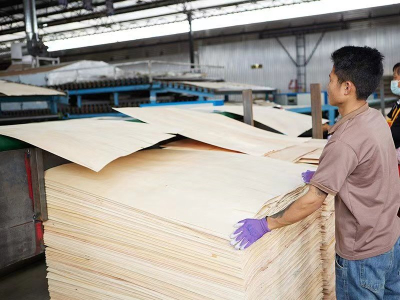
In plywood production, core veneer drying is not just a small supporting step; it directly affects bonding, panel stability, production rhythm, and final yield. When fresh veneers leave the rotary cutting stage, their moisture level must be brought under control before layup and hot pressing. Natural drying may look inexpensive at first, but it often brings long cycles, weather dependence, uneven results, and higher handling pressure. For mills that need a more compact and controllable solution, a Vertical Veneer Dryer has become a practical choice for drying core veneers with better space utilization and lower operating complexity.

The Moisture Problem Behind Plywood Defects
A Vertical Veneer Dryer is valuable because core veneers are highly sensitive to moisture variation. If some sheets remain too wet while others become too dry, plywood manufacturers may face weak bonding, warping, cracking, unstable pressing results, and higher rejection rates. These issues are especially costly because they often appear after several production steps have already consumed labor, glue, energy, and machine time.
In industrial plywood manufacturing, veneer drying is also known as one of the most energy-intensive stages. That is why many buyers do not evaluate a dryer only by purchase price. They also look at drying stability, fuel options, installation space, labor demand, and how easily the equipment can be adapted to different veneer thicknesses and moisture conditions.
What Makes a Vertical Veneer Dryer Different
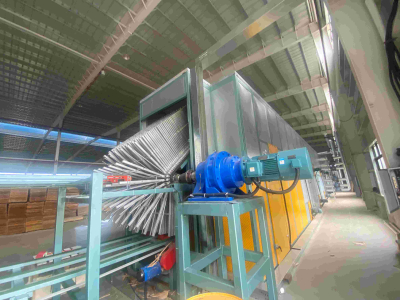
A Vertical Veneer Dryer uses a compact vertical structure and a two-way conveying principle. In Shine Machinery’s vertical core veneer dryer design, veneers are distributed on the grid plate and move steadily through the drying process. After drying, the material can be sent out automatically, reducing unnecessary manual transfer.
The vertical layout is particularly useful for factories that want to move from natural drying to equipment drying without installing a large production line. Compared with broad horizontal layouts, this structure helps save floor space while still supporting continuous core veneer processing. For small and medium plywood mills, this can make modernization more realistic.
How the Drying Process Supports Consistent Core Veneers
A Vertical Veneer Dryer works through coordinated conveying, turning, hot air circulation, and adjustable operating parameters. Shine Machinery’s vertical dryer adopts a flap structure with high space utilization. During drying, the material keeps turning with the flap, which helps improve product consistency and drying quality.
The system allows operators to adjust air volume, heating temperature, material residence time, and feeding speed to pursue the desired drying effect. The drying area temperature can be adjusted according to demand, and the equipment is designed with a unique hot air circulation mode so that airflow and temperature remain more uniform through the drying line. For plywood producers, this level of process control is important because different wood species, veneer thicknesses, and initial moisture levels require different drying conditions.
Key Advantages for Plywood Core Veneer Lines
A Vertical Veneer Dryer is often selected for core veneer drying because it combines several practical advantages in one machine. The key benefits include:
Small footprint: The vertical configuration helps mills use limited factory space more efficiently.
Energy and power saving: The design supports secondary use of hot air and low power consumption.
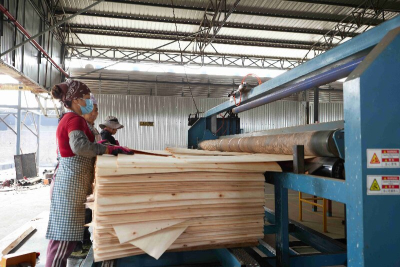
Less labor required: Faster loading and automatic material discharge help reduce handling work.
High drying efficiency: Fast heating and hot air circulation support efficient veneer drying.
Low later operating cost: Wood waste from rotary cutting can be used as fuel through the built-in combustion furnace.
Customizable configuration: Shine Machinery provides customized one-stop service according to customer requirements.
For factories upgrading from outdoor drying, these benefits can be significant. Natural drying depends heavily on weather and available yard space. By contrast, equipment drying gives manufacturers a more predictable way to manage production schedules and moisture targets.
Built-In Burner and Waste Wood Utilization
One reason buyers pay close attention to the Vertical Veneer Dryer is its heat source. Shine vertical core veneer dryer equipment uses a built-in combustion furnace. It can burn waste wood handles, branches, bark, and offcuts left from rotary cutting, helping reduce raw material and fuel costs while also addressing waste handling inside the production process.

This feature is especially relevant for plywood plants because rotary cutting naturally produces wood residue. Instead of treating that material only as waste, the dryer can use it as a heating resource. Buyers comparing a China veneer dryer manufacturer or China veneer dryer supplier often consider this kind of fuel flexibility because it affects daily operating cost, not just initial investment.
Technical Parameters Buyers Should Review
A Vertical Veneer Dryer should be selected according to the mill’s real production needs. Shine Machinery’s vertical veneer dryer product information includes several reference parameters that buyers commonly review before purchase.
| Parameter | Reference Information |
|---|---|
| Type | Vertical Veneer Dryer |
| Veneer thickness | 0.8–8 mm |
| Heat source | Built-in burner |
| Moisture target | Fresh veneer to about 0–15%, or within 20% depending on configuration |
| Example capacity | 35–36 m³/day, or 1.2–1.5 m³/h for model FBH30-20 |
| Example model | FBH30-20 |
| Example overall size | 20 × 7 × 4 m |
| Example total power | 36.3 kW |
These parameters show why equipment selection should not be based on a single number. A factory drying thick core veneers may need different residence time and feeding speed from a plant processing thinner sheets. A well-matched dryer should fit veneer thickness, target moisture, site layout, heat source preference, and expected daily output.
Vertical Drying Compared With Natural Drying
A Vertical Veneer Dryer is not simply a machine replacement for sun drying; it changes the way a factory controls the drying stage. Natural drying requires large outdoor areas, stable weather, and repeated manual handling. Rain, humidity, and seasonal changes can slow production or create inconsistent moisture in the veneer stack.
Vertical equipment drying gives operators more control over airflow, temperature, residence time, and feeding speed. This does not remove the need for good operation and maintenance, but it does make drying less dependent on outdoor conditions. For buyers searching terms such as China top veneer dryer factory, this operational stability is often one of the most important reasons to compare vertical drying solutions.
Why Shine Machinery Is Relevant to Core Veneer Buyers
A Vertical Veneer Dryer from Shandong Shine Machinery Co., Ltd is designed for the practical needs of plywood and wood processing factories. The company’s product pages describe vertical dryer advantages such as energy and power saving, small footprint, competitive price, reduced labor requirements, high drying efficiency, low later operating cost, stable equipment, low failure rate, thicker high-quality steel, and customizable service.
For international buyers, the purchasing decision usually involves more than a product photo. It requires matching the dryer to workshop space, veneer specifications, fuel conditions, and production goals. Shine Machinery’s vertical veneer dryer category and product pages at www.veneersdryer.com provide a direct starting point for buyers who want to review product options and request configuration guidance.
Final Takeaway
A Vertical Veneer Dryer is a strong fit for plywood core veneer drying because it addresses the most practical production concerns: moisture control, limited factory space, labor pressure, fuel cost, and drying efficiency. Its two-way conveying principle, flap structure, adjustable drying parameters, hot air circulation, and built-in burner make it suitable for factories seeking a more controlled alternative to natural drying.
For plywood producers evaluating a China veneer dryer manufacturer or China veneer dryer supplier, the best choice is not only the lowest-priced machine. It is the dryer that fits the veneer type, production capacity, plant layout, fuel condition, and target moisture range. In that context, Shine Machinery’s vertical core veneer drying solutions offer a practical path toward more stable and efficient plywood production.
FAQs
What moisture level can a Vertical Veneer Dryer reach?
Shine Machinery product information describes moisture reduction from fresh veneer to about 0–15%, while another vertical dryer configuration lists fresh veneer to within 20%. The final target depends on equipment configuration and operating settings.
What veneer thickness can it process?
The listed veneer thickness range for Shine vertical veneer dryer products is 0.8–8 mm, making the equipment suitable for many plywood core veneer applications.
What heat source does the dryer use?
The equipment uses a built-in burner. It can burn wood waste such as bark, branches, wood handles, and offcuts from rotary cutting.
Is it suitable for factories with limited floor space?
Yes. The vertical structure is designed with a small footprint and high space utilization, which makes it suitable for mills that want equipment drying without occupying a large factory area.
Which parameters should buyers confirm before ordering?
Buyers should confirm veneer thickness, initial moisture, target final moisture, daily capacity, factory layout, heat source conditions, working width, and the required level of customization.