
Before You Buy a Veneer Dryer Machine Check the φ89 Shaft Tube
A veneer dryer machine quotation can look complete on paper—working width, decks, heating length, even “automatic control”—yet still leave you exposed on a humid production line. One practical example is when the roller specification states that the roller uses a φ89 mm special shaft tube, but that part is not clearly listed in the quotation or spare parts scope.
In plywood veneer drying, that kind of omission does not stay in procurement. It tends to “move forward” into commissioning and early operation: uncertain maintenance planning, unclear replacement standards, and delays when the plant needs parts quickly.

What a complete Veneer Drying System scope should describe
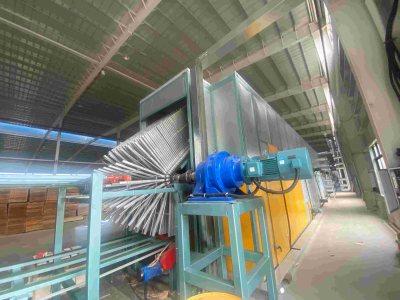
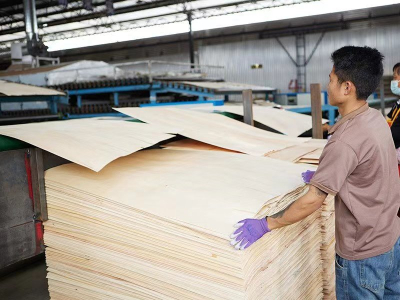
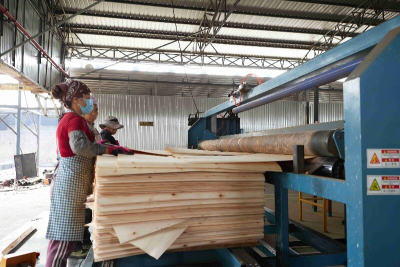
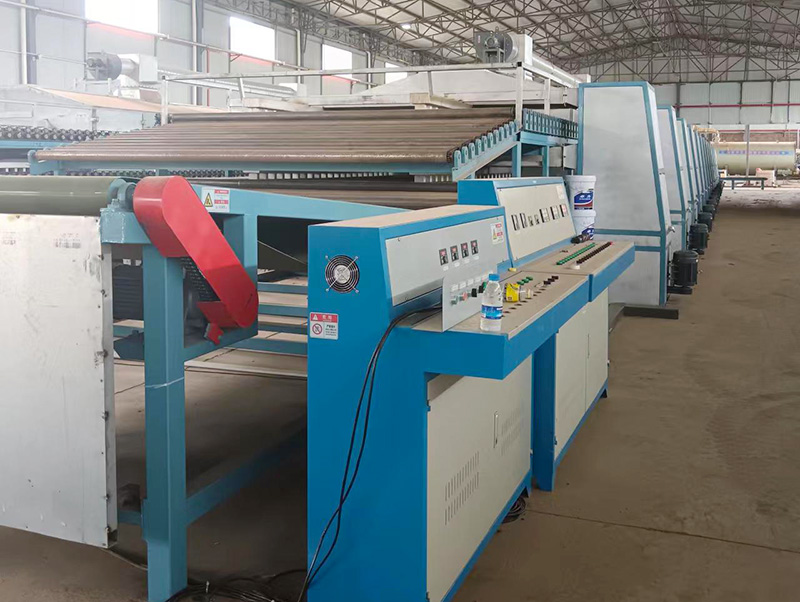
A Veneer Drying System is not only a heating chamber. At minimum, buyers typically need the quotation and technical scope to describe how the system handles the full flow of material and air.
For example, Shine Machinery describes a vertical veneer drying machine as being composed of four parts: Feeding area, Heating area, Cooling area, and Discharging area. This type of structure framing is useful even when you are purchasing a roller-type veneer dryer machine, because it forces the supplier and buyer to confirm what is included around the dryer itself.
In practice, a quotation becomes far easier to execute when it clarifies:
Feeding and discharging method (what equipment is included vs. what is site-supplied)
Heating and cooling sections (lengths, fans/blowers, and control items listed as line items)
Control scope (what is meant by automatic temperature control and speed regulation)
Spare parts boundary (which items are shipped with the machine, which are optional spares, and which are wear parts)
A buyer-friendly quotation is one where the “bill of equipment” and the “bill of spare parts” are separated clearly, so maintenance planning can start before delivery.
Why the φ89 mm special shaft tube should never be implicit
On Shine Machinery’s Veneer Drying Line For Sale and veneer roller dryer pages, a specific statement appears: “The roller uses a φ89mm special shaft tube, which is corrosion-resistant and rust-proof.”
That line matters because it defines a component standard that affects both reliability and spare part purchasing. The risk starts when the quotation does not list that shaft tube clearly—either as part of the roller assembly or as a defined spare part.
When a humid workshop increases corrosion pressure on mechanical parts, the shaft tube becomes a procurement-critical detail. If a buyer only discovers the missing definition after installation, then the maintenance team has to confirm:
whether the delivered rollers actually match the stated φ89 mm special shaft tube design,
what the replacement specification should be, and
how quickly replacements can be prepared when the line must keep running.
This is why experienced purchasing teams treat “φ89 mm special shaft tube included” as a quotation audit checkpoint, not a marketing sentence.
Humid production makes airflow and speed control part of the maintenance story
Humid seasons don’t just make drying harder—they can also make moisture regain management more demanding. Shine Machinery’s rainy-season production note highlights this directly: humid workshops make managing moisture regain after drying tougher, and a robust roller veneer dryer becomes a process-control tool rather than only a heating unit.
That same content describes several control and design points buyers often ask about when specifying a veneer dryer machine for stable Drying Veneer performance:
Axial-flow fans for both hot-air and cold-air systems, intended to reduce power consumption while supporting stable circulation
A step-by-step heat exchange structure, with different specifications across heat exchanger sections so hot air can be distributed evenly
Frequency-conversion speed regulation, allowing feeding speed adjustment based on veneer thickness and moisture content
A model example described there (GTH30-36) illustrates how those ideas show up in a configuration: 3.0 m working width, four decks, 32 m heating area, 4 m cooling area, 140–200°C adjustable drying temperature, veneer transport speed 5–22 m/min, and a stated temperature control accuracy of ±5°C.
From a buyer’s perspective, the takeaway is simple: in humid conditions, you are not only buying heat—you are buying controllability. The controllability choices also influence spare parts planning (fans, transmission parts, rollers, and wear components).

Vertical Veneer Dryer and roller dryer quotes need different “must-list” parts
The φ89 mm special shaft tube statement is tied to a roller-based conveying structure. A Vertical Veneer Dryer uses a different conveying approach, and its quotation should be audited accordingly.
Shine Machinery’s vertical dryer description emphasizes internal hot air circulation, consistent temperature distribution, and a countercurrent drying cycle concept. Its published FBH30-20 parameters include:
Moisture content: fresh veneer to within 20%
Capacity: 1.2–1.5 m³/H
Overall size: 20 × 7 × 4
Total power: 36.3 KW
For some vertical dryer descriptions, a low drying cost claim also appears: less than $8/M³.
If you are comparing models, the procurement point is not to force one checklist onto every machine type. Instead, buyers typically align the quotation audit with the conveying system:
Roller dryers: roller assemblies, roller-related wear parts, and any defined shaft tube standards (such as φ89 mm)
Vertical dryers: chain conveyor and related conveying items, plus hot-air circulation components listed in the configuration
To support practical cross-comparison during sourcing, buyers may also review a roller core configuration such as the GTH30-20, which is described as using thermo oil or heat steam as heat medium options and dividing the machine into heating and cooling sections, with published parameters including a 3 m working width, 2 decks, and 40–50 m³/day drying capacity.
If you want to check the product pages directly during a technical review, these internal references are commonly used:
vertical veneer dryer
core veneer dryer machine
A quotation and spare parts audit that prevents “maintenance risk shifting forward”
When buyers source a Low Cost Veneer Dryer, cost control is real—but the lowest quotation is not always the lowest ownership cost if key wear parts are unclear.
A purchasing audit usually works best when it turns the quotation into a confirmable equipment list and an actionable spare parts plan. For a roller-type Veneer Drying System, the audit questions often include:
Quotation checks that should be answered in writing
Does the roller specification include the φ89 mm special shaft tube as delivered equipment, and is it listed as part of the roller assembly scope?
If the quotation mentions corrosion-resistant/rust-proof shaft tubes, what is the scope boundary for those parts?
Are automatic temperature control and speed regulation listed as part of the standard control cabinet scope?
Does the configuration describe the heat exchange approach (for example, step-by-step heat exchange) as part of the supplied system?
Spare parts checks that prevent early downtime
Which spare parts are shipped with the machine and which are quoted separately?
Which parts are treated as wear parts under normal operation?
What is the supplier’s stated approach to spare parts supply (for example, the roller dryer page describes “sufficient and timely supply of spare parts” as part of the service system)?
To align this with product selection, some buyers keep the “model-to-need” discussion connected to the product pages they shortlist—for example, when screening a budget-focused option such as Low Cost Veneer Dryer Machine alongside a line-level option such as Veneer Drying Line For Sale.
Closing view for buyers sourcing in humid regions
If your procurement team is operating in a humid workshop environment, treat the φ89 mm special shaft tube as a contract detail, not a brochure line. A clear, written component scope helps keep maintenance planning predictable and reduces the chance that critical specifications surface only after delivery.
Whether you select a roller-based veneer dryer machine or a Vertical Veneer Dryer, a consistent rule applies in plywood veneer drying: the more precisely the conveying parts, airflow system, and spares boundary are defined upfront, the more stable your day-to-day Drying Veneer output can be.
FAQs
What does “the roller uses a φ89mm special shaft tube” mean for a veneer dryer machine quotation?
It signals a defined roller component standard. Buyers typically ask for that shaft tube to be explicitly included in the equipment list or clearly tied to the roller assembly scope, so replacements can be specified consistently.
Is the φ89 mm special shaft tube relevant to a Vertical Veneer Dryer?
The φ89 mm statement appears tied to roller-based designs. Vertical dryers use a different conveying arrangement, so buyers usually confirm different “must-list” components (such as chain conveyor and circulation components) in the quotation.
What published moisture targets are listed for Shine Machinery vertical and roller core configurations?
The FBH30-20 vertical dryer lists fresh veneer to within 20% moisture content. The GTH30-20 core veneer dryer machine lists fresh veneer to about 10%.
What operating controls are described for Shine Machinery roller veneer dryers in humid seasons?
The rainy-season content describes axial-flow fans for hot and cold air systems, step-by-step heat exchange for more even hot-air distribution, and frequency-conversion speed regulation to adjust feeding speed based on veneer thickness and moisture content.
How can buyers compare a Low Cost Veneer Dryer without relying on price alone?
A practical comparison is to audit what is included in the quotation (equipment list), what is included as spare parts, and whether key roller/conveying specifications—such as the φ89 mm special shaft tube statement—are written into the scope.