
Choose the Veneer Dryer Machine First Then Pick Biomass or Gas
In plywood veneer drying projects, the fastest way to overspend is to start with fuel price. A veneer dryer machine is not a standalone burner decision—it is a complete Veneer Drying System built around veneer thickness, moisture targets, plant layout, and existing utilities. When those inputs are fixed first, the choice between biomass and natural gas becomes a practical engineering match instead of an expensive retrofit.

Start with plywood veneer drying targets not with the burner
Every plywood veneer drying line is ultimately judged by two outcomes: whether Drying Veneer reaches the required moisture level, and whether output stays stable enough to feed downstream steps. Before comparing heat sources, buyers typically benefit from documenting four inputs that directly shape the right veneer dryer machine configuration:
Veneer thickness range (minimum, maximum, and what is processed most often)
Incoming moisture condition (freshly peeled or pre-processed veneer)
Required final moisture level (the acceptance target for the mill)
Required capacity (m³/h or m³/day, based on operating schedule)
These inputs matter because rated capacity only makes sense when the moisture-reduction task is comparable. For example, Shine Machinery publishes two vertical dryer models with different moisture targets and different capacities:
| Item | FBH30-13 | FBH30-20 |
|---|---|---|
| Dryer type | Vertical veneer dryer | Vertical plywood veneer dryer |
| Output (m³/h) | 2 | 1.2–1.5 |
| Moisture target | Fresh veneer dried to 0–5% | Fresh veneer to within 20% |
| Overall size (m) | 13 × 3 × 4 | 20 × 7 × 4 |
| Total power (kW) | 15 | 36.3 |
For procurement teams, the key point is not which model is “bigger,” but what drying objective the line is built to achieve. That is why a Veneer Drying System plan should lock moisture and capacity together before anyone argues biomass vs gas.
Decide whether your veneer dryer machine should be roller or vertical
Once targets are clear, the next decision is structural: the dryer format and how it fits the workshop.

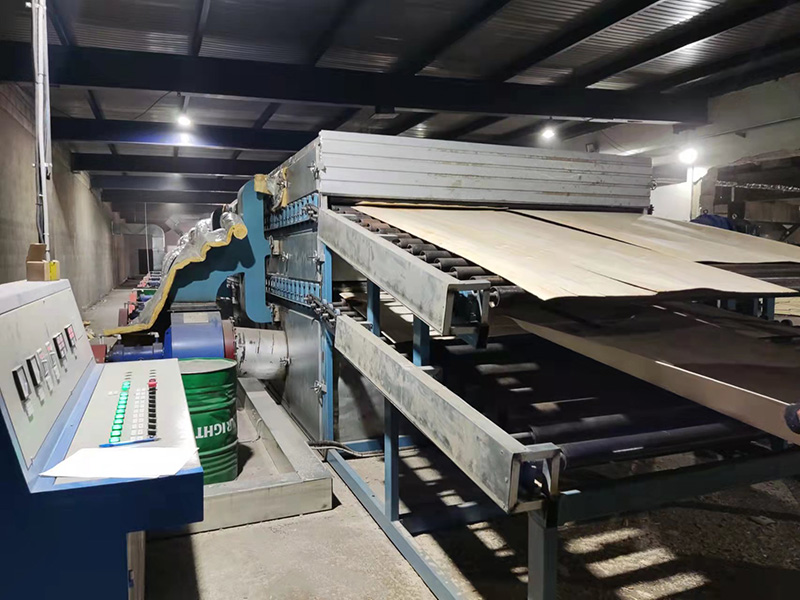
Roller dryer planning with a reference low cost configuration
Roller configurations are often evaluated when mills want a continuous transport path. Shine Machinery publishes a roller reference configuration under its Low Cost Veneer Dryer line:
Working width: 3 m
Veneer thickness: 0.8–8 mm
Heating area length: 32 m
Drying capacity: 50–60 m³/day
Heat source: Biomass burner (with other options noted)
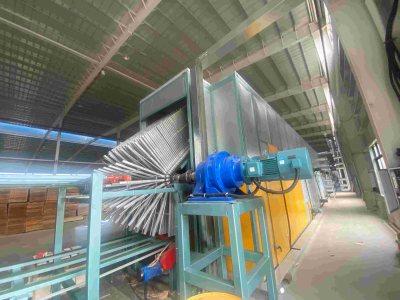
When buyers compare a roller veneer dryer machine like this, the 32 m heating length is not a footnote—it is a layout constraint. In real plywood veneer drying upgrades, the floor plan can become the deciding factor long before fuel type.
Vertical dryer planning for compact core veneer drying
For mills limited by footprint, Shine’s vertical format is positioned as a compact alternative for core veneer drying. In Shine Machinery’s published description, a vertical veneer drying machine is composed of four sections—Feeding area, Heating area, Cooling area, and Discharging area—and the vertical tunnel-type core veneer dryer is mainly used for drying core plate, partial surface, and bottom plate.
The vertical core veneer dryer description also highlights several site-relevant points buyers frequently prioritize:
It uses three-dimensional loading and covers an area of about two-thirds of a roller dryer.
The vertical plywood method is described as increasing loading capacity by 30–80% compared with other dryers.
The equipment is assembled at the customer’s factory site, allowing installation to match specific location requirements.
It is described as suitable for the production process of cutting first and then drying, especially for thick veneers.
In other words, a Vertical Veneer Dryer is typically shortlisted because it solves layout and loading constraints—not because of a fuel preference. This is also why the Veneer Drying System sequence matters: form factor first, heat source second.
Fit the Veneer Drying System to power and workshop realities
A veneer dryer machine must match factory utilities as closely as it matches drying targets. Shine’s published FBH30-13 electrical breakdown is a useful example of what utility planning looks like in practice:
| Component | Listed power |
|---|---|
| Hot air fan | 9 kW |
| Traction motor | 1.5 kW |
| Induced draft fan | 3 kW |
| Built-in furnace | 1.5 kW |
| Total | 15 kW |
For the same FBH30-13 model, Shine also publishes:
Machine size: 13 × 3 × 4 m
Output: 2 m³/h
Fuel consumption: 200 kg/h
In procurement discussions, these figures work best when reviewed together. Plant teams typically verify whether the installation bay can accept the dimensions, whether the electrical supply can support the listed power, and whether the chosen heat source arrangement fits the intended dryer location.
This is also where many plywood veneer drying projects reduce risk: daily output estimates should be calculated from operating hours, and listed power should not be treated as identical to real-time electricity consumption across all operating conditions.
Compare biomass and gas only after the dryer layout is fixed
Biomass heat when wood waste is part of the plan
A biomass option is often evaluated by mills that can secure stable biomass fuel supply and have space for fuel handling and burner placement. Shine Machinery offers a dedicated product category for Biomass Veneer Dryer solutions, and its published Low Cost Veneer Dryer reference configuration lists a biomass burner as the heat source.
From a Veneer Drying System standpoint, the practical questions usually include where the burner is positioned, how fuel is stored and fed, and whether the workshop layout supports the full biomass heating arrangement without disrupting material flow.
Natural gas when gas infrastructure is already in place
Natural gas can be attractive where the plant already has a suitable gas supply and prefers simpler fuel logistics. Shine Machinery lists a Natural Gas Heated Veneer Dryer category.
However, the presence of a gas line does not automatically confirm the best veneer dryer machine choice. Buyers typically compare the selected dryer’s heating demand with the capabilities of the existing gas infrastructure, and confirm the intended installation location can accommodate the full burner and ducting arrangement.
Steam and thermal oil when existing systems must be reused
Some plywood veneer drying sites already operate central heating systems. Shine also lists steam-heated and thermal-oil options, including a Heat Thermal Oil Veneer Dryer category. In those cases, heat source selection often becomes a reuse decision: can existing steam or thermal oil utilities practically serve the chosen Veneer Drying System layout and capacity?
A procurement checklist that prevents the most common sequencing mistake
For buyers comparing biomass vs gas, the most repeatable approach is to treat heat source as the final matching step, not the first debate.
Confirm veneer thickness range and typical product mix for Drying Veneer.
Record incoming moisture and required final moisture for plywood veneer drying acceptance.
Define target output (m³/h or m³/day) based on the operating schedule.
Choose dryer structure: roller line vs vertical loading.
Verify workshop footprint and equipment placement feasibility.
Check electrical supply against the selected veneer dryer machine’s listed power.
Only then compare biomass vs gas and consider steam or thermal oil if already installed.
This sequence is also the cleanest way to reduce surprises in commissioning, because the Veneer Drying System is engineered around real constraints instead of a fuel assumption.
FAQs
What should be decided first in a plywood veneer drying project
A veneer dryer machine plan is typically set first using veneer thickness, moisture targets, required output, workshop space, and factory utilities. Heat source selection follows after the dryer structure is fixed.
When is a Vertical Veneer Dryer commonly considered
A Vertical Veneer Dryer is often evaluated when floor space is limited. Shine’s published vertical design highlights three-dimensional loading and an installation footprint described as about two-thirds of a roller dryer.
What is a practical reference for a Low Cost Veneer Dryer configuration
Shine Machinery publishes a roller Low Cost Veneer Dryer reference with a 3 m working width, 0.8–8 mm veneer thickness range, a 32 m heating area length, and 50–60 m³/day drying capacity, listing a biomass burner as the heat source.
How should buyers compare biomass vs gas for a Veneer Drying System
A meaningful comparison is usually made after the dryer layout and capacity are confirmed, by checking compatibility with existing utilities, installation space, and the full heating arrangement required by the selected veneer dryer machine.
Why can two dryers with similar capacity labels perform differently
Because plywood veneer drying performance depends on the moisture-reduction task. Shine’s published vertical models show different final moisture targets, for example fresh veneer dried to 0–5% versus within 20%, which changes how capacity should be interpreted.