
Stop Veneer Rewetting Before It Reaches the Stack
In Southeast Asia’s humid plywood mills, veneer drying does not truly finish when water has been removed in the heating chamber. It finishes when the veneer can leave the dryer, cool down, and remain stable before stacking, gluing, grading, or pressing. This is why the cooling section has become more than a convenience feature. For many mills, it is the difference between veneer that stays ready for production and veneer that feels dry at the outlet but quickly shows damp return in the workshop.
Why Veneer Rewetting Happens So Quickly in Humid Mills
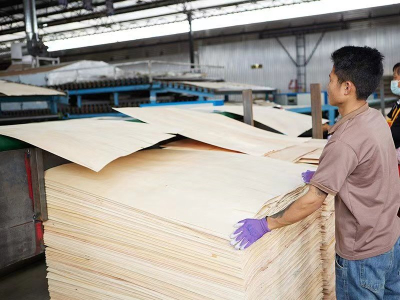
Veneer rewetting is a common production problem in tropical and coastal regions. Freshly dried sheets may leave the dryer within the target moisture range, but once they are exposed to warm, moisture-rich workshop air, their surface can begin absorbing moisture again. The issue is especially noticeable when sheets are stacked while still hot, because heat, airflow, and surrounding humidity can create uneven surface conditions.
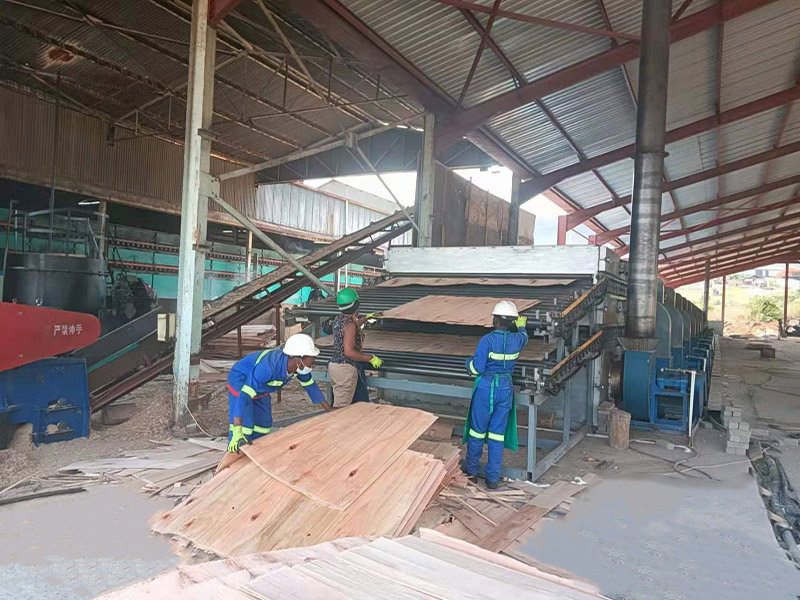
From a process perspective, the veneer is in a sensitive condition immediately after high-temperature drying. The surface is usually drier than the inner layers, and the sheet may still contain a moisture gradient from core to face. If the cooling and equalization stage is too short, the veneer enters the open workshop before temperature and moisture have had enough time to settle. The result can be surface dampness, sticking sheets, darker color patches, or unstable bonding in later plywood production.
That is why experienced buyers no longer evaluate a Veneer Dryer only by drying speed or nominal output. In high-humidity regions, cooling performance, residence time, and airflow distribution deserve equal attention.
The Cooling Zone Is a Moisture Stabilization Stage
A cooling zone is often described as the section that lowers veneer temperature before handling. That is correct, but incomplete. In modern continuous drying, the cooling section also supports a more controlled transition between the heated dryer environment and the outside workshop.
A well-designed veneer dryer cooling zone helps the production line in four practical ways:
It reduces veneer temperature before stacking and handling.
It gives internal moisture more time to redistribute.
It lowers the risk of exposing very hot veneer directly to humid air.
It supports more predictable downstream gluing and pressing.
In other words, the cooling zone is not simply the last part of the machine. It is a process buffer. Without that buffer, a mill may achieve moisture removal in the heating section but still lose consistency after the veneer exits.
Industry research on veneer drying has long emphasized that final veneer moisture content is difficult to control when drying, airflow, and handling conditions are not coordinated. A cooling section does not replace moisture control in the heating zones, but it helps protect the drying result at the point where veneer is most exposed to workshop conditions.
Why Longer Cooling Matters in Southeast Asia
In Southeast Asia, the challenge is not only high initial veneer moisture. It is also the production environment after drying. Many mills operate in areas where ambient humidity remains high for long periods, and the difference between hot veneer and humid air can encourage fast surface moisture changes.
A lengthened cooling open section is designed to slow that transition. Instead of forcing veneer to leave the dryer while still too hot, the extended cooling section gives sheets more residence time inside a more controlled airflow path. This helps reduce the chance of damp return before stacking.
For a plywood producer, that additional cooling time can be valuable because small moisture changes at the veneer stage often become larger quality issues later. Uneven veneer moisture may affect glue absorption, pressing behavior, panel flatness, and surface appearance. In tropical mills, the cost of rewetting is rarely limited to one batch of veneer; it can appear later as inconsistent bonding or higher rework.
How Cooling Design Connects With the Whole Dryer
Cooling performance cannot be separated from the rest of the drying system. If the heating section dries too aggressively, the cooling section may not have enough time to equalize the sheet. If conveyor speed is too high for veneer thickness and initial moisture, the sheet may leave the machine before the surface and core are properly balanced.
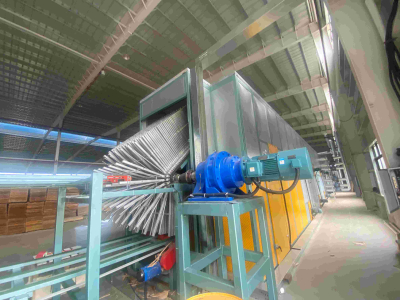
Shandong Shine Machinery Co., Ltd designs roller veneer dryer systems for wood processing lines where hot air circulation, conveyor speed control, and cooling sections work together as one process. Shine Machinery’s roller dryer product information describes systems with advanced hot air circulation technology, precision control, and configurable production requirements, including working widths that can be customized within the company’s stated range.
For mills using biomass heating, the heating stage also needs steady control. Shine Machinery’s biomass burner veneer dryer information describes the use of waste wood and bark as fuel, adjustable drying temperatures, automatic temperature control, and speed regulation. In practice, stable upstream drying makes the downstream cooling and moisture equalization stage easier to manage.
Signs Your Cooling Section May Be Too Short
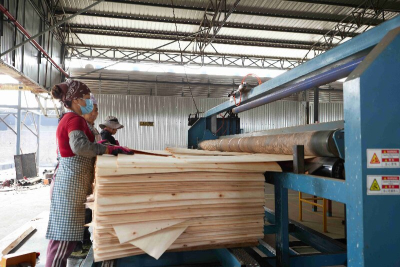
Operators often notice veneer rewetting before managers see it in final panel defects. The signs usually appear around the dryer outlet, stacking area, or gluing preparation zone.
Production symptom
| What it may indicate | Practical response | |
|---|---|---|
| Veneer feels damp shortly after discharge | Hot veneer is exposed too quickly to humid air | Review cooling residence time and exit temperature |
| Sheets stick together in stacks | Veneer may be stacked before enough cooling | Allow more cooling or a short equalization pause |
| Color becomes uneven after drying | Moisture and temperature may not be balanced | Check airflow and conveyor speed settings |
| Bonding varies during gluing | Moisture content may be inconsistent | Improve drying curve and cooling transition |
| Veneer edges curl after stacking | Surface and core conditions may differ | Review drying temperature, speed, and cooling airflow |
Operational adjustments can help. Mills may slightly reduce conveyor speed, avoid tight stacking while sheets remain hot, and check that cooling fans and airflow paths are working as intended. However, operating changes cannot fully compensate for a cooling section that is not suited to a humid climate or the mill’s target output.
What Buyers Should Ask a China Veneer Dryer Manufacturer
When buyers compare equipment from a China veneer dryer manufacturer or China veneer dryer supplier, cooling design should be discussed early. A dryer that removes moisture quickly but releases hot veneer into a humid workshop can create avoidable instability.
Procurement teams should ask practical questions such as:
How is the cooling section sized for veneer thickness and line speed?
The answer should connect cooling time with real production conditions, not only machine length.How does the system manage airflow between heating and cooling areas?
Balanced airflow supports consistent sheet temperature and more stable moisture distribution.Can the conveyor speed be adjusted for different veneer conditions?
Shine Machinery product information notes frequency control and speed regulation in relevant dryer systems, which is important when veneer species, thickness, and initial moisture vary.Is the equipment suitable for humid tropical production environments?
For Southeast Asian mills, this question should include the outlet temperature, cooling residence time, and stacking workflow.What fuel and heat source options are supported?
Shine Machinery’s veneer dryer information includes heat source options such as biomass, and buyers can evaluate how heat supply stability supports the full drying and cooling process.
A China top veneer dryer factory should be able to explain not only how the dryer removes moisture, but also how it protects the veneer after drying. That discussion is especially important when the buyer’s workshop is hot, humid, and continuously operating.
Shine Machinery’s Practical Fit for Humid Veneer Production
Shandong Shine Machinery Co., Ltd is presented in its official product information as a supplier of wood veneer drying solutions, including roller veneer dryer systems and biomass burner veneer dryer configurations. The company’s product pages describe features such as hot air circulation, automatic temperature control, speed regulation, customizable working widths, and veneer drying solutions for plywood manufacturers, veneer mills, and furniture production facilities.
For mills concerned about damp return, the most relevant discussion is not a single isolated feature. It is the combined design of the heating chamber, cooling section, airflow, conveyor speed, and handling process after discharge. Shine Machinery’s equipment range gives buyers a basis to discuss those details with the supplier and match the dryer configuration to production capacity, veneer thickness, and local climate.
Buyers researching a Shine Machinery solution should also review related line equipment where needed, such as automatic feeding, collection systems, and complete Veneer Production Line configurations. A stable outlet condition is easier to maintain when the dryer and surrounding handling process are considered together.
A Buyer Checklist for Reducing Damp Return
Before placing an order, plywood mills in humid climates can use the following checklist to guide technical discussions:
Confirm the target final moisture range for each veneer species and thickness.
Review the heating section temperature range and control method.
Check whether conveyor speed can be adjusted for changing veneer conditions.
Discuss the cooling section length and airflow arrangement.
Ask how veneer should be handled immediately after discharge.
Avoid stacking veneer tightly while it remains hot.
Plan the dryer outlet area so sheets are not exposed to direct humid drafts.
Train operators to identify early signs of damp return.
This checklist helps buyers shift the conversation from simple drying capacity to stable production quality. For Southeast Asian mills, that shift is essential because the climate keeps testing the veneer even after it leaves the dryer.
Conclusion
In humid plywood production, drying the veneer is only the first part of the job. Keeping it stable before stacking and gluing is just as important. A longer, better-managed cooling section gives hot veneer more time to transition from the heating zone to the workshop environment, reducing the risk of fast moisture reabsorption and supporting more consistent downstream processing.
For buyers comparing equipment from a China veneer dryer manufacturer, the cooling zone should be treated as a core performance factor. Shine Machinery’s veneer dryer systems, biomass heating options, and configurable drying solutions provide a practical starting point for mills that need to control damp return in tropical operating conditions.
To review product categories and discuss veneer drying solutions for humid climates, visit www.veneersdryer.com.
FAQs
Why does veneer rewet after drying?
Veneer can reabsorb moisture when hot sheets are exposed too quickly to humid ambient air. The risk increases when sheets are stacked before temperature and moisture have stabilized.
What does the cooling section do in a veneer dryer?
The cooling section reduces veneer temperature and supports moisture equalization before the sheets leave the machine. This makes handling, stacking, and downstream gluing more predictable.
Why is an extended cooling section useful in Southeast Asia?
Humid tropical air can accelerate damp return. A longer cooling section gives veneer more time to cool under controlled airflow before it reaches the open workshop.
Can operators reduce rewetting without changing equipment?
Operational changes may help, such as reducing conveyor speed, checking cooling airflow, and avoiding tight stacking while veneer is still hot. However, dryer design remains a key factor.
What should buyers ask a China veneer dryer supplier?
Buyers should ask about cooling section length, airflow design, conveyor speed control, heating stability, outlet handling, and suitability for humid production environments.
Does biomass heating affect cooling performance?
Stable heat supply helps create a more consistent drying result before veneer enters the cooling section. Shine Machinery’s biomass burner veneer dryer information describes automatic temperature control and speed regulation for steady operation.