
Choose a China Veneer Dryer Manufacturer Beyond Price
In global plywood and engineered wood production, choosing a China veneer dryer manufacturer is no longer a simple price comparison. International buyers now look for drying stability, realistic output planning, energy efficiency, export readiness, and service support after installation. A low quotation may reduce the initial purchase cost, but the real value of a veneer dryer machine is measured by moisture consistency, operating cost, defect reduction, and how well the system fits the mill’s production flow.
Why Price Alone Is a Risky Starting Point
Veneer drying is one of the most sensitive stages in plywood manufacturing. If moisture content is inconsistent, downstream processes can suffer from poor bonding, warping, cracking, veneer splitting, or panel delamination. For that reason, a China veneer dryer manufacturer should be assessed as a process partner, not only as an equipment seller.
A modern veneer dryer machine must match wood species, veneer thickness, target moisture range, heat source, available workshop space, feeding method, and expected daily output. Buyers who focus only on the lowest price often discover later that energy use, maintenance downtime, or unstable drying results create higher lifetime costs than expected.
The stronger purchasing question is not “Which supplier is cheapest?” but “Which supplier can help the mill maintain stable production over several years?”
What a Strong Veneer Dryer Machine Should Help Control
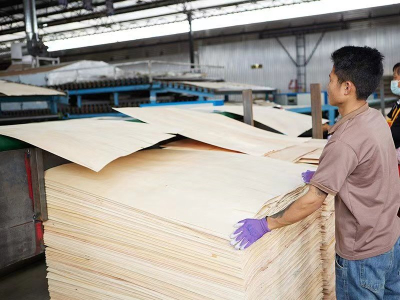
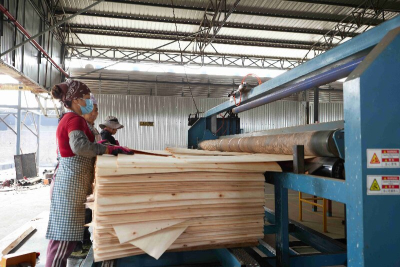
A veneer dryer machine is designed to remove moisture from peeled veneer before gluing, pressing, or further panel production. In industrial operation, the goal is not simply to make veneer dry. The goal is to reach a controlled moisture condition with limited damage and predictable throughput.
When evaluating a China veneer dryer manufacturer, buyers commonly review these performance factors:
Moisture uniformity across veneer sheets and batches
Airflow distribution inside the drying chamber
Temperature control across drying zones
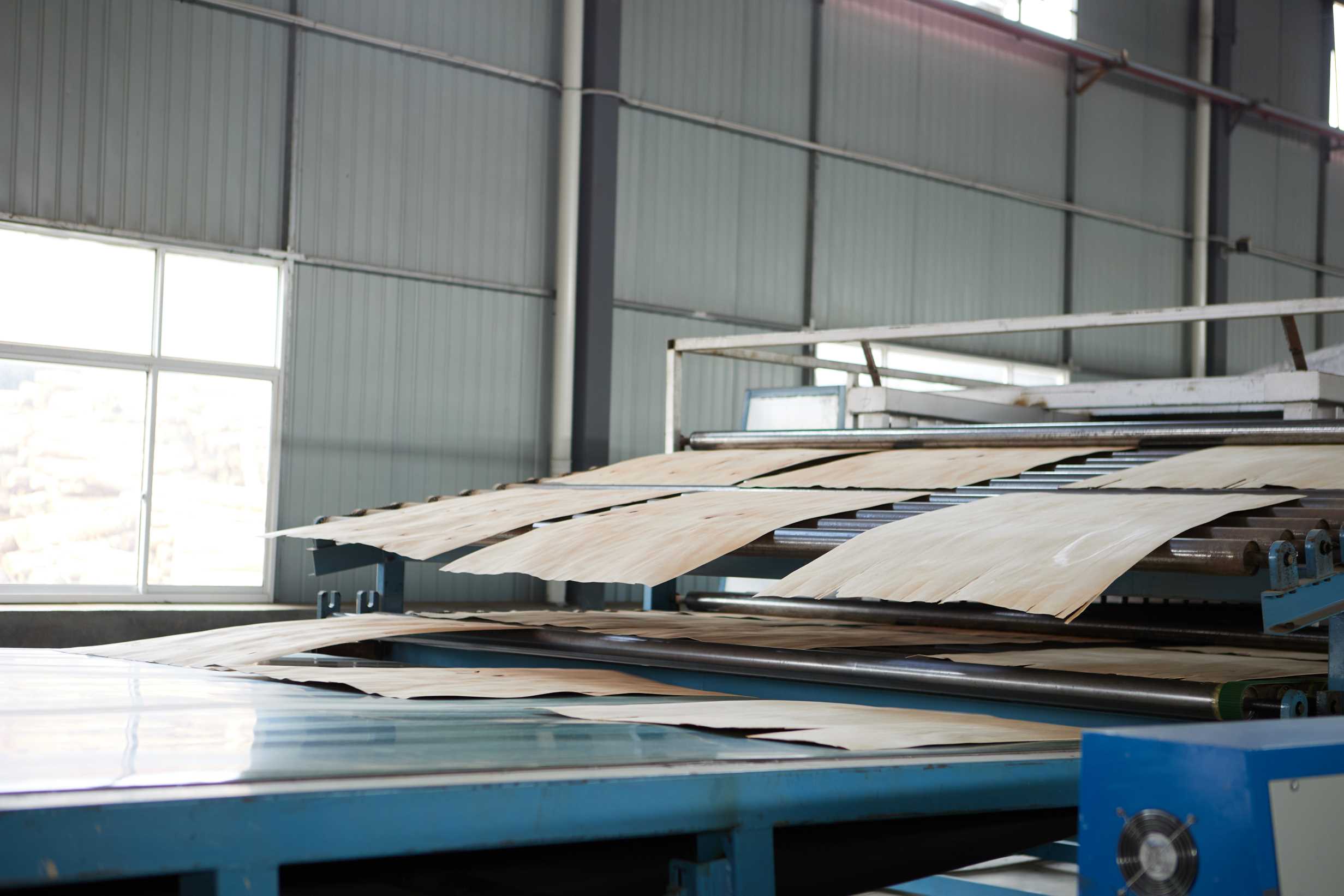
Transport stability to reduce veneer breakage
Heat utilization and insulation quality
Compatibility with upstream peeling and downstream sorting
Ease of maintenance and spare parts planning
These points matter because veneer drying directly affects yield. Even a small increase in rejected veneer can reduce the savings gained from a cheaper purchase price.
Roller Dryer or Mesh Belt Dryer Depends on the Veneer
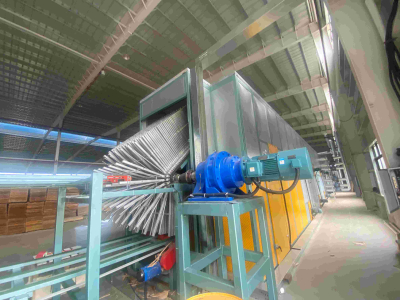
The main dryer type should be selected according to veneer thickness, wood condition, production capacity, and quality goals. A roller veneer dryer is commonly considered for core veneer and medium-thickness sheets because roller conveying can support flatter movement through the dryer. A mesh-belt system is often discussed for thinner veneer where airflow penetration and gentle transport are important.

A continuous veneer drying line may combine feeding, drying, cooling, discharging, sorting, or stacking functions depending on mill requirements. For larger mills, the continuous line is often more important than the stand-alone machine because one bottleneck can slow the entire plant.
A practical supplier discussion should include questions such as:
| Buyer Question | Why It Matters |
|---|---|
| What veneer thickness range will be dried most often? | Dryer structure and airflow design must match the material. |
| What is the incoming moisture variation? | Wider variation requires stronger process control. |
| What heat source will the plant use? | Fuel type affects energy cost and system design. |
| How will veneer enter and leave the dryer? | Poor integration can create labor pressure and downtime. |
| What spare parts should be stocked locally? | Planning reduces stoppages after installation. |
A reliable China veneer dryer manufacturer should guide buyers through these details before recommending a configuration.
Energy Efficiency Shapes Long Term Profit
Energy consumption is one of the largest operating costs in veneer drying. Two machines with similar purchase prices can perform very differently once fuel consumption, heat loss, and drying time are considered. This is why industrial wood dryer evaluation should include lifecycle cost, not only purchase cost.
Buyers should ask how the system handles heat circulation, insulation, exhaust management, and temperature zoning. Heat source flexibility is also important because mills may use thermal oil, steam, biomass, gas, or other plant-specific energy systems. The best choice depends on local fuel cost, environmental requirements, and the plant’s existing infrastructure.
An energy-efficient industrial wood dryer can support lower operating cost, but buyers should request practical operating references, layout drawings, and clear fuel assumptions before comparing offers. Without the same assumptions, quotations from different suppliers may not be directly comparable.
A Single Board Dryer Should Be Judged by Stability
A single-board dryer, sometimes discussed by buyers as a single plank dryer, is often considered when a mill needs controlled drying for specific veneer formats or flexible production. The key issue is not only whether the machine can dry one board or sheet efficiently, but whether it can repeat the result consistently.
For this reason, buyers should pay attention to airflow balance, transport smoothness, heating response, and ease of cleaning. If the equipment is difficult to maintain, performance can decline after months of operation. If temperature control is uneven, operators may compensate by over-drying, which increases energy use and can make veneer brittle.
A capable China veneer dryer manufacturer will usually discuss raw material behavior before discussing machine size. Veneer from fast-growing species, dense hardwood, or variable log quality may respond differently under the same dryer setting. Procurement teams should therefore share real production conditions rather than relying on catalog descriptions alone.
Export Support Reduces Installation Risk
For overseas buyers, the supplier’s export handling can be as important as the machine itself. Chinese veneer dryer exporters with project experience are often expected to support packaging, shipment coordination, installation instructions, commissioning guidance, operator training, and spare parts lists.
International equipment projects can face delays when drawings, foundation requirements, electrical interfaces, or container packing details are unclear. Buyers should therefore confirm documentation before shipment, including layout drawings, electrical requirements, heat source interface information, lubrication points, maintenance schedules, and installation sequence.
Procurement teams should also plan how equipment and spare parts will be protected during transportation. For broader material handling and plant logistics, export packaging may involve standard load platforms such as wooden pallets, crates, or steel frames, depending on cargo size and shipping conditions.
What Serious Buyers Check Before Signing
A structured review helps buyers avoid comparing incomplete offers. Before choosing a China veneer dryer manufacturer, procurement teams should request clear responses on technical design, service responsibility, and operating expectations.
Important checkpoints include:
Confirm the dryer type, layer count, working width, and matching veneer range.
Review the heat source and expected energy consumption assumptions.
Check whether the system can connect with existing feeding and stacking equipment.
Ask for maintenance access points and recommended spare parts.
Clarify installation, commissioning, training, and remote support arrangements.
Compare total lifecycle cost rather than only the equipment quotation.
This approach helps separate a low-cost offer from a genuinely suitable solution. A strong supplier does not only sell a veneer dryer machine; it helps the buyer reduce uncertainty before production begins.
Conclusion
Choosing a China veneer dryer manufacturer can offer more than a pricing advantage. For plywood mills and engineered wood producers, the real value lies in proven drying logic, practical engineering, energy awareness, export coordination, and support that continues after delivery.
A buyer who evaluates moisture control, dryer structure, heat efficiency, production integration, and service planning is more likely to select a system that protects output quality and long-term margins. In today’s market, the best veneer drying investment is not necessarily the lowest-priced machine, but the one that keeps production stable, predictable, and profitable.
FAQs
What is the most important factor when selecting a veneer dryer machine?
Moisture uniformity is usually the most important factor because it directly affects gluing, pressing, panel strength, and rejection rates.
Is a roller veneer dryer better than a mesh belt dryer?
Neither type is always better. Roller dryers are often considered for medium-thickness core veneer, while mesh belt dryers may suit thinner veneer. The right choice depends on material and production goals.
Why should buyers compare lifecycle cost instead of only price?
A lower purchase price can be offset by higher fuel use, more downtime, unstable drying, or increased veneer waste. Lifecycle cost gives a more accurate view of real value.
What should overseas buyers ask Chinese veneer dryer exporters?
They should ask about packing, installation drawings, commissioning support, operator training, spare parts, electrical requirements, and after-sales communication.
When is a continuous veneer drying line suitable?
A continuous veneer drying line is generally suitable for mills that need higher throughput, smoother workflow, and integration with feeding, sorting, and stacking systems.