

News Center
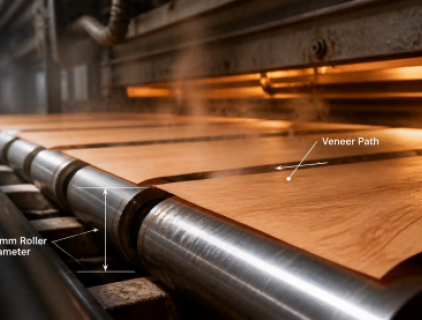
In plywood veneer drying, a high-capacity veneer dryer machine is only one piece of the result buyers care about: stable, continuous Drying Veneer at the target moisture level without bottlenecks. In practice, the infeed (how green sheets enter), the dryer section (how heat and conveying are…
2026/10/23 17:22
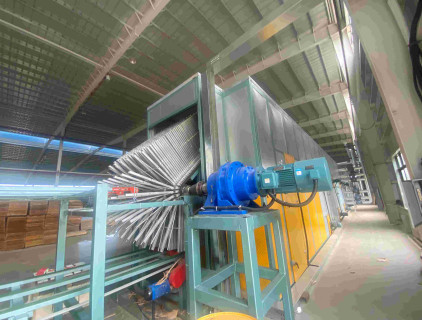
When one line runs 0.8–8mm veneer in the same shift, “set the temperature and go” is rarely enough for stable results. A practical schedule for plywood veneer drying needs to document what changed (thickness and incoming moisture), what you adjusted (temperature and line speed), and—on models…
2026/10/16 17:42
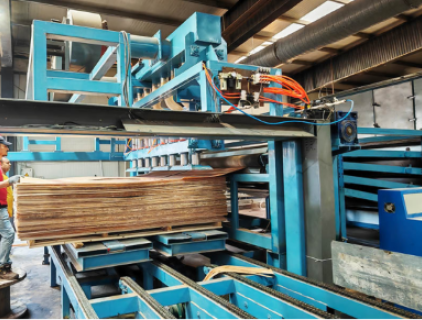
In plywood veneer drying, the cheapest fuel is rarely the cheapest outcome. What buyers actually pay for is the veneer dryer operating cost per m³ of qualified dried veneer—after electricity, labor, and real throughput are counted. If output drops or staffing rises, a “low fuel price” plan can…
2026/10/15 14:45
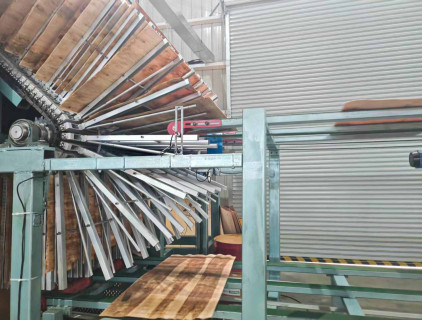
Reaching 180 m³ per day in plywood veneer drying is rarely about “one bigger machine.” It is an engineering and operations question: how many cubic meters per hour must the line deliver, how stable is the electrical supply, and which Veneer Drying System configuration matches the required final…
2026/10/15 14:39
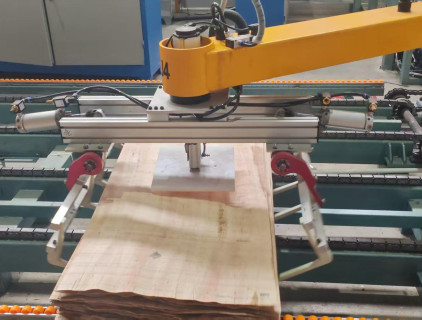
Thick core veneers can expose every weak link in a Veneer Drying System. The heat source matters, but it’s rarely the only limiter. In real plywood veneer drying, output and quality depend on whether feeding, heating, cooling, and discharging run at the same production rhythm. When one zone runs…
2026/10/14 14:29
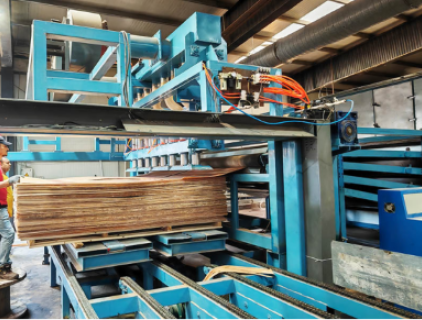
Labor planning in plywood veneer drying is often treated as a “headcount question”: how many people are needed to feed and receive sheets. In practice, the better question is cost-per-output: how many workers per shift are required to keep a Veneer Drying System running smoothly, and how many cubic…
2026/10/14 14:24
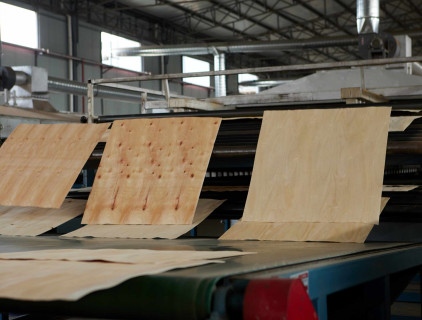
Fresh core veneer that must be dried to 0–5% moisture content sets a very specific working condition for any veneer dryer machine. In this scenario, buyers typically want clear, published parameters (moisture target, output, footprint, power, and fuel consumption) and a drying concept designed…
2026/10/10 17:37
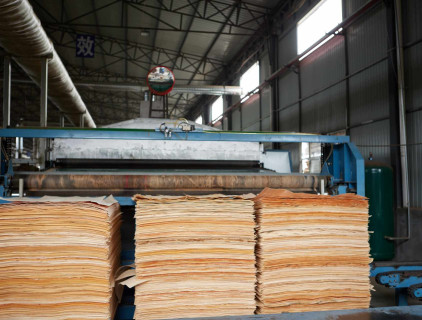
When a plywood line specifies fresh veneer dried to 0–5% final moisture content, the most expensive mistakes usually happen early—during model selection and budgeting—when buyers compare dryers using “capacity” alone. In practice, the moisture endpoint defines the reference model you should use for…
2026/10/10 17:33
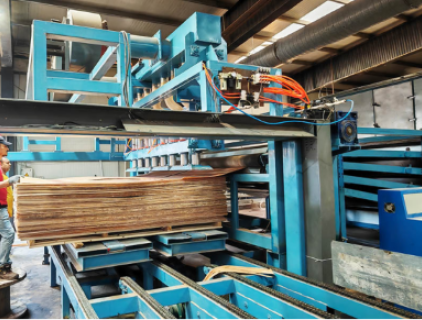
Accurately estimating veneer dryer machine operating cost is less about finding a single “low fuel number” and more about building a complete, comparable energy picture. In real-world plywood veneer drying, electricity for fans, conveyors, traction motors, and controls can be large enough to change…
2026/10/08 17:42
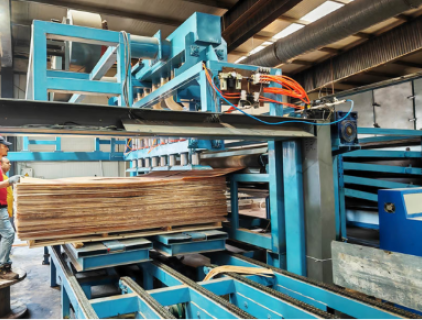
When a plywood mill can convert wood waste into usable heat, the decision surrounding a Vertical Veneer Dryer quickly shifts. The purchase price still matters, naturally, but it ceases to be the sole guiding factor for the investment. Buyers often re-evaluate three key aspects concurrently: drying…
2026/09/24 17:32
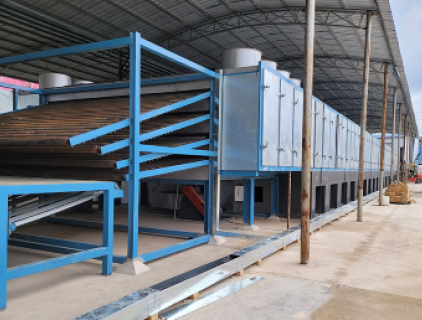
Often, in plywood projects, the initial schedule risk isn't the delivery date itself, but the delays incurred when a “smoke-free” claim lacks measurable operating conditions. A purchase file that clearly describes Drying Veneer inputs, targets, and throughput helps engineering teams align the…
2026/09/24 17:30
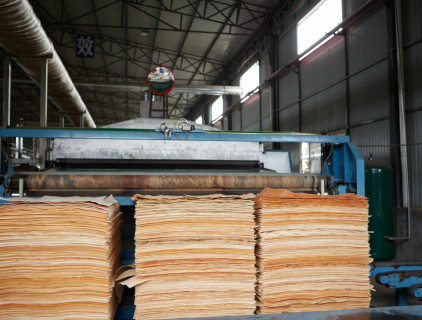
A plywood plant that generates bark, waste veneer, wood chips, or crushed waste wood already owns a valuable energy resource. Yet, plywood veneer drying becomes truly economical only when the biomass fuel stream can consistently support the selected veneer dryer machine—hour after hour, shift after…
2026/09/23 11:43