
Start With Biomass Fuel Balance Before Choosing a Veneer Dryer
A plywood plant that generates bark, waste veneer, wood chips, or crushed waste wood already owns a valuable energy resource. Yet, plywood veneer drying becomes truly economical only when the biomass fuel stream can consistently support the selected veneer dryer machine—hour after hour, shift after shift. In practice, the best results truly come from treating the burner, dryer capacity, veneer thickness, target moisture, and operating schedule as one connected Veneer Drying System, rather than as separate purchases.

Fuel First, Then Veneer Dryer Machine Capacity
A practical “fuel balance” starts with a basic question: How much biomass fuel can your factory supply consistently during normal production—rather than occasionally from a one-time stockpile? That dependable number should guide your dryer output and burner configuration.
Shine Machinery’s biomass drying configurations list waste wood, tree bark, waste veneer, crushed waste wood, and wood chips as usable fuels in their systems. The key is translating these materials into an operating plan that reflects your actual schedule: the number of drying hours per day, your production rhythm, and the target moisture requirements of your line.
A sensible way to keep the decision grounded is to begin with a published consumption figure and scale it to your shift plan.
A Simple Fuel-Balance Example Using FBH30-13
The FBH30-13 wood vertical veneer drying model is specified with:
Output: 2 m³/h
Fuel consumption: 200 kg/h
Total power: 15 kW
Moisture content: fresh veneer dried to 0–5%
If a mill intends to run a 10-hour drying shift, a straightforward planning step is to convert hourly consumption into shift consumption:
200 kg/h × 10 h = 2,000 kg of fuel per shift
This is why buyers seeking “low cost” performance often start by checking whether bark, chips, and waste wood generation can support their desired operating schedule. A Low Cost Veneer Dryer is only truly “low cost” when the chosen configuration can keep running without fuel interruptions.

Match Burner Configuration to Drying Output, Not Just to “Available Waste”
Looking at various configurations shows why output numbers by themselves can be misleading:
A two-deck 32 m roller veneer dryer is listed at 1.6 m³/h drying capacity.
A 40 m two-deck biomass drying machine is listed at 2.5 m³/h drying capacity.
The GTH30-20 four-deck automatic veneer dryer machine is also listed at 2.5 m³/h, but its specification includes one 6-ton biomass burner.
For the GTH30-20, Shine Machinery lists system details that directly affect how a Veneer Drying System performs in daily operation:
Heating area length: 16 m
Cooling area length: 4 m
Working temperature: 140–200°C adjustable
Temperature control accuracy: ±5°C
Veneer thickness: 0.6–8 mm
Moisture target (as specified): fresh veneer to about 8–10%
Actual electricity consumption: about 100 kWh per hour
In other words, two machines may share a similar drying capacity on paper, but their heating setup and system layout can be quite different. This is why many procurement teams document burner size, heating/cooling sections, and control requirements in the same worksheet as hourly output.
Roller or Vertical Veneer Dryer Depends on Product Requirements and Footprint
While biomass fuel balance sets realistic capacity boundaries, it doesn’t automatically decide the equipment type. Often, the choice between roller and vertical designs is driven by the veneer category being dried, the required surface quality, and space constraints.
Roller Drying for Smooth Veneer Results
Shine’s roller core veneer drying machine description states that the roller design keeps the veneer smooth after drying. Roller-based products commonly cite veneer thickness ranges such as 0.8–8 mm, while the GTH30-20 specification lists 0.6–8 mm.
For factories prioritizing consistent surface condition (flatness and smoothness for downstream gluing and processing), roller solutions are frequently evaluated as the primary option. When researching a general-purpose roller veneer dryer, buyers often compare deck arrangement, heating and cooling section lengths, and the heat-source configuration in the same review.
Vertical Veneer Dryer for Core, Partial Surface, and Thick Veneer Workflows
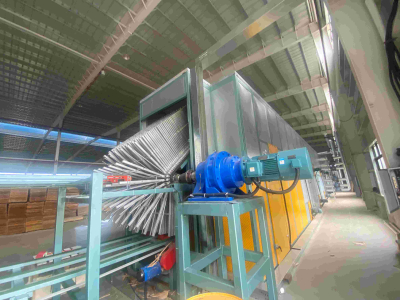
Shine’s vertical tunnel-type core veneer dryer is described as being mainly used for core plate, partial surface, and bottom plate, and as suitable for veneers with low flatness requirements. The vertical system description divides the machine into Feeding, Heating, Cooling, and Discharging areas.
A separate vertical core veneer dryer description highlights that the equipment uses three-dimensional loading and can cover an area of only two-thirds of the roller dryer footprint. It also notes that this equipment requires 2 workers per shift.
For those considering a Vertical Veneer Dryer, the key takeaway is that vertical loading and footprint efficiency can be attractive where space is constrained and the product mix is focused on core-related applications.
What “Low Cost Veneer Dryer” Means in Operating Terms
While purchase price matters, most mills define “low cost” by the operating cost per cubic meter and the ability to maintain stable production.
Shine’s published composite drying cost ranges provide useful reference points for planning:
Biomass drying machine composite cost: USD 6–12 per m³
Two-deck 32 m roller veneer dryer: composite cost USD 6–12 per m³
4 deck veneer roller dryer (listed comprehensive cost): USD 12 per m³, inclusive of labor cost, fuel cost, and electric power
Vertical dryer pages cite drying costs less than USD 8 per m³
These figures are tied to the configurations where they appear, which is why the biomass fuel balance should be done before finalizing output targets. A configuration that looks attractive on paper can become expensive if the fuel stream cannot support the intended operating hours.
To see how Shine positions its roller-based cost options, buyers often start with the Low Cost Veneer Dryer listing and then align it with a site-specific fuel and schedule plan.
A Procurement Sequence for Lowering Selection Risk
For plants with available bark and wood waste, this procurement sequence is commonly used because it grounds every decision in operational reality:
Quantify dependable biomass supply (bark, crushed waste wood, wood chips, waste veneer) produced during normal operations.
Choose burner and system configuration that matches the intended operating schedule.
Select dryer capacity and layout based on product requirements (thickness range, moisture target) and factory footprint.
When the entire system is evaluated—fuel stream, burner, heating and cooling sections, controls, and capacity—the selection becomes easier to defend internally and simpler to run reliably.
If you're looking to compare biomass-based roller solutions with vertical options, Shine’s product families are best explored through the biomass veneer dryer category and the vertical dryer listings, with the final decision anchored to the site’s fuel balance.
FAQs
What fuels are listed for biomass heating in Shine’s veneer drying configurations?
Relevant Shine product pages list fuels including waste wood, tree bark, waste veneer, crushed waste wood, and wood chips for applicable biomass burner setups.
Why should a plywood factory calculate fuel balance before choosing a veneer dryer machine?
Because model specifications can include different fuel consumption figures and burner configurations. Converting hourly consumption into planned operating hours helps ensure the Veneer Drying System can run as intended.
What are the published capacity examples for roller biomass drying machines?
Shine lists 1.6 m³/h for a two-deck 32 m roller veneer dryer and 2.5 m³/h for a 40 m two-deck biomass drying machine. The GTH30-20 four-deck model is also listed at 2.5 m³/h.
What veneer thickness ranges are stated for Shine roller dryers?
Examples include 0.8–8 mm for a roller core veneer drying machine description and 0.6–8 mm in the GTH30-20 specification.
What operating cost references are published for biomass and vertical drying options?
Shine publishes a biomass composite drying cost range of USD 6–12 per m³ on relevant biomass and roller pages, and cites vertical dryer drying costs less than USD 8 per m³ on vertical dryer pages.