
Document Biomass Burner Details Before Veneer Dryer Approvals Tighten
Often, in plywood projects, the initial schedule risk isn't the delivery date itself, but the delays incurred when a “smoke-free” claim lacks measurable operating conditions. A purchase file that clearly describes Drying Veneer inputs, targets, and throughput helps engineering teams align the veneer dryer machine with the actual production plan, while keeping the environmental approval package focused on verifiable, site-specific requirements.

Why “Smoke-Free” Isn't a Usable Project Specification
For procurement, “smoke-free” is best treated as a documentation prompt, not a technical specification. A Veneer Drying System is evaluated through operating conditions—wood species, thickness, moisture change, capacity, heat source, and energy use. These variables determine how a veneer dryer machine will be configured and operated.
This distinction becomes especially crucial for plywood veneer drying lines powered by a biomass burner. Here, buyers usually must provide consistent technical data across procurement, installation planning, and local permitting stages. In practice, the fastest path involves building a single “source of truth” for the dryer configuration, then attaching environmental records required by the installation location.
The Documentation Set Buyers Should Prepare Early
A practical file for a biomass-heated veneer dryer machine can be organized around the operating envelope the line will actually run. A project team should assemble at least these items before approval processes become time-sensitive:
Dryer configuration: type (vertical or roller), deck configuration where applicable, working width (if specified), and key dimensions.
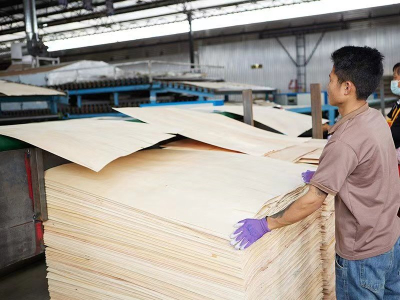
Material definition for Drying Veneer: wood species, veneer thickness range, and whether the line targets core veneer, partial surface, or bottom plate use.
Moisture path: incoming moisture and target final moisture.
Throughput: required output in m³/h or m³/day.
Energy and utilities: installed electrical power and, where stated) fuel consumption and composite drying cost.
Heat source selection: biomass burner or other stated options (e.g., natural gas, steam, thermal oil).
Site documents: the monitoring, testing, and records required by the installation authority (kept separate from equipment specifications).
This structure keeps the Veneer Drying System traceable: every number in the schedule can be tied to a specific model and stated operating condition.
Roller Veneer Drying Machines with Biomass Heat and What to Document
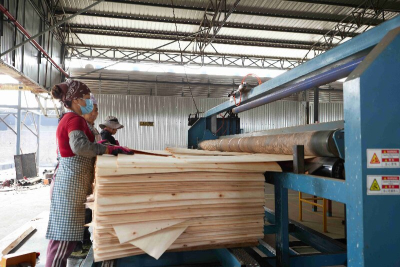
Shine Machinery's published roller range explicitly links its operating capabilities to veneer thickness, moisture content, and wood species. The specifications for the roller platform show it is designed for veneer thickness 0.8–8 mm, with capacity ranges listed across species such as eucalyptus, birch, rubberwood, poplar, beech, and pine.
When preparing a purchase plan, the simplest strategy is to define your exact intended production conditions, then match them to the appropriate roller schedule. When you reference a roller platform in your file, cite the equipment family and link it to the exact product page, such as the published roller veneer dryer machine line.
One frequently cited biomass configuration illustrates the precise detail needed to speed up review cycles: Shine states that a 40 m, 2-deck veneer drying machine using a biomass burner can achieve 2.5 m³ per hour, and identifies bark and other tree waste as possible fuels. The same stated configuration lists a composite drying cost of USD 6–12 per cubic meter.
Vertical Veneer Dryer Documentation for Space and Cost Planning
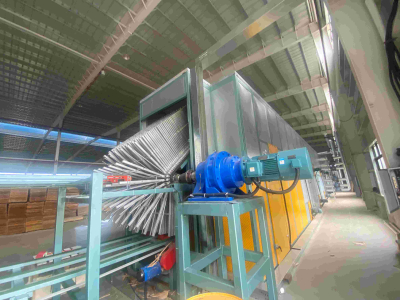
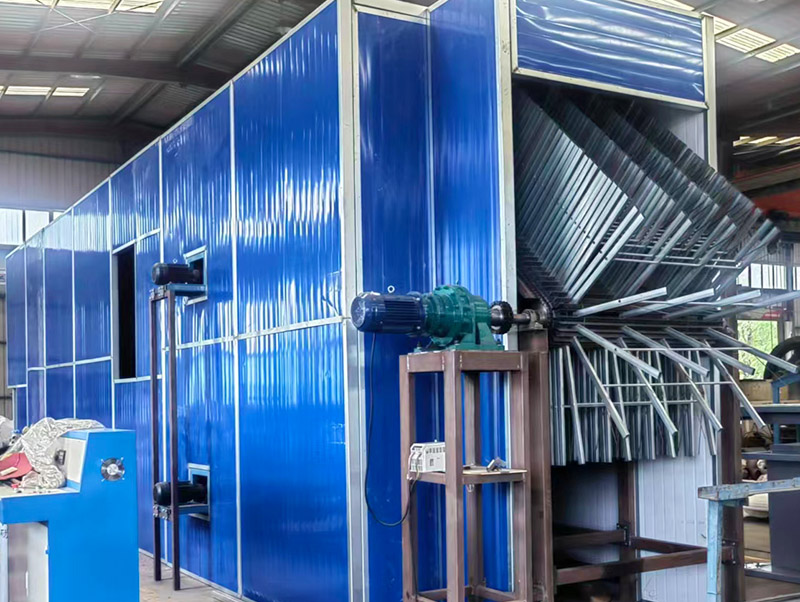
When floor space and loading method are key early considerations, a Vertical Veneer Dryer can be assessed based on a distinct set of published features. Shine states that vertical core veneer dryer equipment uses three-dimensional loading, covers an area of only two-thirds of the roller dryer, and delivers 30–80% higher loading capacity than other dryers. The stated drying cost is less than USD 8/m³, described as 30–60% of the drying cost of other dryers.
When this configuration is shortlisted, it helps to record whether the line is intended for core plate, partial surface, or bottom plate usage, because Shine also describes the vertical tunnel-type core veneer dryer as mainly used for those applications.
Avoid Mixing Numbers Across Models in a Vertical Veneer Dryer Shortlist
Often, internal confusion arises from merging output, moisture targets, and power figures from various models into a single “typical” Vertical Veneer Dryer line. Shine’s published parameters show why model discipline matters.
FBH30-13: specified for fresh veneer dried to 0–5%, 2 m³/h output, 15 kW total power, 200 kg/h fuel consumption, and dimensions 13 × 3 × 4 m.
FBH30-20: specified at 1.2–1.5 m³/h, fresh veneer to within 20%, 36.3 kW total power, and dimensions 20 × 7 × 4 m.
These values belong to different configurations and should be recorded as such. When approvals tighten, being able to point to the exact configuration behind each figure can significantly reduce back-and-forth between operations, engineering, and the project file.
Low Cost Veneer Dryer Selection Still Needs a Tight Operating Definition
“Low cost” gains real meaning only when tied to specific operating conditions and a defined configuration. Shine’s published Low Cost Veneer Dryer Machine is listed as a roller veneer dryer with 3 m working width, 0.8–8 mm veneer thickness, 32 m heating area length, and a drying capacity of 50–60 m³/day. The listed heat source is a biomass burner (with other options available).
Buyers comparing a Low Cost Veneer Dryer with other options will find it safest to keep economic data (capacity, power, and composite drying cost, if stated) within the equipment schedule, and environmental evidence (local testing and monitoring requirements) in a separate appendix. This prevents marketing language from being mistaken for an approval outcome.
One Comparison Table Procurement Teams Can Reuse
Use this table as a quick cross-check when building a Veneer Drying System schedule for plywood veneer drying. Keep each value tied to the page and model it comes from.

| Topic | Vertical configuration (published) | Roller configuration (published) |
|---|---|---|
| Footprint | About two-thirds of the roller dryer area | Baseline footprint varies by model |
| Loading | Three-dimensional loading; 30–80% higher loading capacity | Roller conveying for continuous drying |
| Thickness range | Application-driven (often core veneer focus) | 0.8–8 mm veneer |
| Heat source flexibility | Uses supporting heat-source products (project dependent) | Supports thermal oil, biomass burner, natural gas, steam |
| Cost references | Drying cost < USD 8/m³ (stated) | Biomass example composite cost USD 6–12/m³ (stated) |
A Clean Sequence for Specifying Drying Veneer Under Tighter Review
Teams that treat “smoke free” as a mere headline instead of a structured requirement often find themselves revising schedules late in a project. A more reliable sequence is:
Wood species → veneer thickness → incoming moisture → target final moisture → dryer type → heat source → throughput → power and (where stated) fuel consumption → composite cost references → location-specific environmental documents
For projects assessing a China veneer dryer manufacturer or supplier, this model-specific approach also offers the most reliable comparison, allowing different suppliers to be evaluated based on consistent operating definitions rather than just slogans.
If you want to review model pages and published configurations directly, Shine Machinery’s product range is presented at www.veneersdryer.com.
FAQs
What should be documented first for a biomass-heated veneer dryer machine?
Start with wood species, veneer thickness, incoming moisture, target final moisture, required throughput, dryer type (vertical or roller), and the selected heat source. Then add power and any stated cost or fuel figures tied to the specific model.
Can a biomass burner be used for plywood veneer drying?
Yes. Shine states that a biomass burner can be used as heat for a 40 m 2-deck veneer drying machine, and that bark and other tree waste can be used as fuels.
What veneer thickness range is listed for Shine’s roller platform?
The published roller veneer thickness range is 0.8–8 mm.
What capacity is stated for the 40 m 2-deck biomass example?
The stated drying capacity is 2.5 m³ per hour for the cited configuration.
What composite drying cost is stated for the biomass drying machine example?
Shine lists a composite cost of USD 6–12 per cubic meter for the cited biomass drying machine configuration.
Why would buyers consider a Vertical Veneer Dryer for a Veneer Drying System?
Shine states the vertical design uses three-dimensional loading, covers only two-thirds of the roller dryer area, increases loading capacity by 30–80%, and lists a drying cost less than USD 8/m³.