
Precision in Drying: How the Shine Veneer Dryer Masters A to C Grade Wood Veneer While Redefining Mill Efficiency
In the high-stakes arena of wood processing, where time is currency and quality is king, the humble veneer drying process often serves as the great bottleneck—or the great enabler. For decades, veneer mills across the globe have grappled with a singular, stubborn challenge: how to maximize throughput without sacrificing the integrity of the machine or the final product. The introduction of advanced drying technologies has shifted this paradigm, but few have managed to strike the balance between versatility and mechanical prudence as effectively as the latest generation of equipment from Shine Machinery.
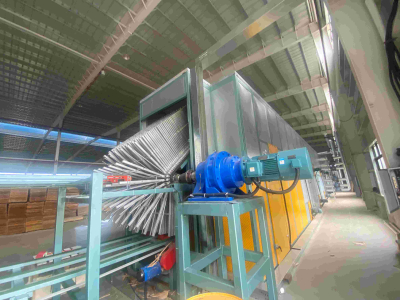
At the heart of this operational evolution is the Shine Veneer Dryer, a system engineered not merely to remove moisture but to act as a discerning gatekeeper in the veneer production line. The machine’s reputation is built on a nuanced capability: the ability to handle a wide spectrum of veneer grades—from pristine A-grade faces to structurally sound but visually challenged C-grade cores—while drawing a hard line against the “too rotten” material that threatens operational stability.
This deep-dive analysis explores the technical specifications, economic logic, and workflow integration that make the Shine system a pivotal asset for plywood and LVL (Laminated Veneer Lumber) manufacturers navigating the complexities of raw material variability.
The Grading Spectrum: Defining the Feedstock
To understand the operational philosophy of the Shine system, one must first appreciate the classification of the raw material. In the veneer industry, grading is not merely an aesthetic judgment; it is a structural and economic categorization.
A-Grade Wood Veneer: The Prime Asset
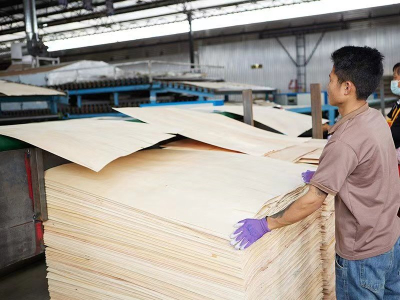
A-grade sheets represent the gold standard. These are typically rotary-peeled or sliced from the highest quality logs, characterized by smooth surfaces, consistent thickness, and an absence of knots, splits, or discoloration. When drying A-grade material, the primary objective is preservation. The Shine Veneer Dryer excels in this domain by utilizing precision temperature control zones. For these premium sheets, the machine operates in a “gentle” mode, ensuring that the cellular structure remains intact, shrinkage is uniform, and the natural luster of the wood is retained. In this context, veneer drying is a delicate art, and the Shine system’s advanced airflow management ensures that even the thinnest A-grade sheets exit the machine flat, without the cupping or cracking that plagues lesser dryers.
B-Grade Wood Veneer: The Workhorse
B-grade veneer constitutes the bulk of production for many manufacturers. It may contain minor imperfections—tight knots, slight mineral streaks, or small patches of wild grain—but remains structurally robust. The Shine dryer’s true flexibility shines here. The machine’s variable speed drives and segmented heating sections allow operators to calibrate the drying intensity based on the density and moisture variability inherent in B-grade stock. Because B-grade sheets often have inconsistent moisture content entering the dryer (with denser knots holding more water than the surrounding wood), the Shine system’s servo-controlled roller system prevents the “bagging” effect, where wetter sections sag and cause jams. This ensures that while the visual perfection may be secondary, the structural reliability post-drying remains consistent.
C-Grade Wood Veneer: Maximizing Yield
C-grade is where profitability is often made or lost. This category includes sheets with open knots, larger splits, and significant color variations. Many drying systems struggle with C-grade material due to the risk of fragmentation; as moisture is driven out rapidly, weak spots can cause the sheet to break apart inside the dryer, leading to downtime.
The Shine Veneer Dryer handles C-grade with calculated aggression. It utilizes a progressive drying curve—starting with a moderate initial temperature to relax the wood fibers before applying higher heat to the core. This prevents the “case hardening” that makes brittle C-grade sheets shatter upon exit. For mills focused on core layers or pallet components, the ability to efficiently dry C-grade material transforms what was once considered waste into a valuable asset.
The Red Line: Why “Too Rotten” Veneer Is Rejected
Perhaps the most critical technical aspect of the Shine Veneer Dryer’s operational logic is what it does not dry. In an industry where maximizing yield is often the default setting, the discipline to reject excessively degraded material is a hallmark of engineering maturity. The Shine system is designed with sensor arrays and mechanical tolerances that effectively make it impossible to run “rotten” or severely compromised veneer without risking the integrity of the production line.
Defining the “Too Rotten” Threshold
Veneer classified as “too rotten” typically exhibits advanced fungal decay, severe honeycombing, or structural degradation where the wood fibers have lost all tensile strength. When such material is introduced into any veneer drying environment, the results are predictable and catastrophic. As the heat penetrates the sheet, the already compromised lignin structure collapses. The veneer does not simply break; it disintegrates into a fibrous mush and fragmented debris.
The Mechanics of Prevention
The Shine system incorporates a multi-layered defense against this scenario. First, the infeed section is equipped with high-resolution optical scanners and thickness sensors that can detect anomalies associated with advanced decay, such as abnormal density loss or surface pitting. If a sheet falls below a pre-set structural integrity threshold, the infeed conveyor automatically reverses or diverts it, preventing entry into the heated chamber.
Should a compromised sheet bypass the scanners—such as in the case of hidden decay not visible on the surface—the mechanical design of the dryer acts as the final arbiter. The roller spacing and pressure settings are calibrated for material that has a baseline level of rigidity. When a rotten sheet enters, it lacks the structural integrity to be conveyed through the rollers. Instead of bending, it crumbles. This debris can accumulate on the support structures and, if left unchecked, leads to what operators term a “wrap-around”—where the sticky, partially dried fibers adhere to the rollers, causing a chain reaction of jams.
Shine engineers have emphasized that allowing such material into the dryer is not a matter of “if” it will cause a jam, but “when.” The downtime required to clear a jam from rotten veneer—often involving cutting wrapped fibers off rollers with specialized tools and manually cleaning the plenum chambers—can cost a mill hours of production and thousands of dollars in lost labor and energy.
Technical Architecture: The Enablers of Versatility
The ability to seamlessly handle A through C-grade, while rejecting the unusable, is not accidental. It is the result of specific engineering choices within the Shine Veneer Dryer design.
1. Segmented Jet Impingement Nozzles
Traditional dryers often use a uniform air velocity across the entire width of the dryer. The Shine system utilizes segmented jet impingement nozzles. This allows operators to adjust the air pressure and temperature in distinct zones across the width of the veneer sheet. For instance, if a C-grade sheet has a weak edge, the operator can reduce the nozzle pressure on that side to prevent the edge from lifting and catching on the machinery, while maintaining full drying power on the structurally sound center.
2. Adaptive Roller Conveyance
The conveyance system is built with a slightly higher coefficient of friction on the drive rollers than is standard. This is crucial for handling the variability of wood veneer. Thinner A-grade sheets require positive traction to move through the dryer without stalling, while thicker C-grade sheets require enough clearance to pass through without compression damage. The Shine system’s roller gap can be micro-adjusted on the fly, accommodating thickness variations that are common when processing lower-grade logs.
3. Intelligent Moisture Profiling
Embedded within the final section of the dryer are near-infrared (NIR) moisture sensors that create a real-time moisture profile of every sheet. This data is fed back into the system to automatically adjust zone temperatures and conveyor speed. When drying a mix of A and C-grade material, the system dynamically slows down if it detects that the thicker C-grade sheets in a batch are not reaching the target moisture content (typically 6-8% for interior plywood or 10-12% for exterior grades), ensuring consistency without overcooking the premium material.
Economic Implications: The Cost of Greed vs. The Value of Discipline
From a financial perspective, the decision to exclude “too rotten” veneer from the drying process is a lesson in operational economics. Mill managers often face the temptation to run everything, believing that any sheet dried is a sheet sold. However, the Shine operational model challenges this.
Calculating Total Cost of Ownership (TCO)
When rotten veneer is introduced, the immediate cost is downtime. A single severe jam in a continuous dryer can halt the entire production line for 45 minutes to two hours. For a mill producing 30 cubic meters of plywood per hour, two hours of downtime represents 60 cubic meters of lost production—a revenue loss that far exceeds the value of salvaging a few rotten sheets.
Furthermore, there is the cost of wear and tear. The debris from rotten veneer is often acidic and abrasive. When it accumulates and is ground into the roller bearings and felt pads (if applicable), it accelerates mechanical wear. The Shine system’s protective logic, which prevents this material from entering, directly extends the lifespan of critical components such as the circulation fans, bearings, and the stainless-steel roller surfaces.
Energy Efficiency
Drying is one of the most energy-intensive processes in wood manufacturing. Wasting thermal energy on material that will ultimately disintegrate and become waste is a double penalty: the energy to heat the water in the rotten veneer is expended, and then the mill must spend additional energy to dispose of the fragmented wet waste. By focusing the thermal input only on material that can survive the process (A through C-grade), the Shine Veneer Dryer maximizes the return on energy investment.
Operational Best Practices: Training and Calibration
The technology alone is not the full story. The successful implementation of the Shine system relies on a symbiotic relationship between the machine’s capabilities and the operator’s knowledge.
Pre-Dryer Sorting Protocols
Mills that achieve the highest efficiency with the Shine system implement strict pre-dryer sorting protocols. While the machine can handle a mix of A, B, and C-grade, operators are trained to identify the visual and tactile signs of “punk” or rotten wood—areas that feel spongy or show advanced decay. These are removed at the green chain before they ever approach the dryer infeed.
Calibration for Grade Transitions
When a mill switches from drying a run of premium A-grade face veneer to a run of C-grade core material, the Shine system’s recipe management software allows for a complete parameter change in under 30 seconds. Operators recall saved profiles that adjust:
Infeed speed: Slower for C-grade to allow for longer residence time without increasing temperature that might cause brittleness.
Zone temperatures: Lower initial heat for C-grade to stabilize the sheet before final drying.
Roller pressure: Slightly higher nip pressure for C-grade to ensure fragmented knots are pressed flat rather than lifted.
Future-Proofing: Sustainability and Raw Material Trends
As global timber resources shift towards plantation-grown woods and smaller-diameter logs, the variability of wood veneer is only expected to increase. Logs from fast-growing plantations often have higher juvenile wood content, leading to greater instability during veneer drying.
The Shine Veneer Dryer’s architecture is positioned to meet this future. The ability to handle a wider range of grades without sacrificing throughput is becoming a competitive necessity. As old-growth forests become less accessible, mills must rely on logs that produce a higher percentage of C-grade and lower-quality veneer. The mill that can efficiently dry these lower grades—while maintaining the discipline to reject the truly rotten material—will have a distinct cost advantage.
Moreover, the system’s energy recovery units (ERUs) are designed to capture waste heat from the exhaust. When processing lower-grade veneer, which typically requires more aggressive drying, these ERUs become even more critical, reducing the overall carbon footprint of the operation and lowering natural gas or biomass consumption by up to 25%.