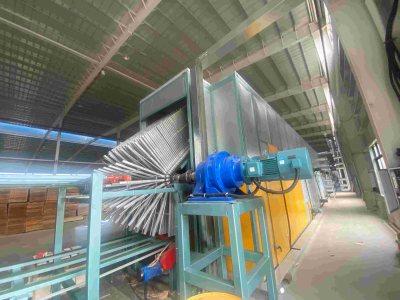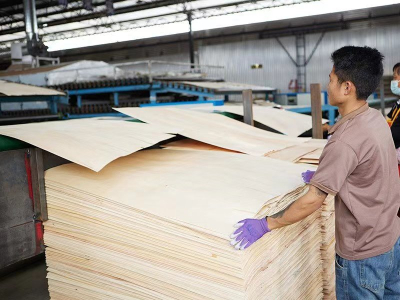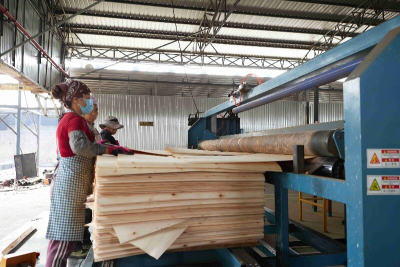

Choose a Core Veneer Dryer by Usable Dry Veneer Not Promised Daily Output
Promised “m³/day” output is easy to compare, but it’s rarely the best starting point for selecting a core dryer. For plywood lines, what matters is whether the machine consistently delivers Dry Veneer that matches your next process step—at a workable transport speed, with stable moisture, and within your workshop and energy constraints. In practice, the most reliable selection path starts with core veneer use (where it goes in the panel), then checks thickness and target moisture, and only then compares the veneer dryer configuration and its three-dimensional loading capacity.

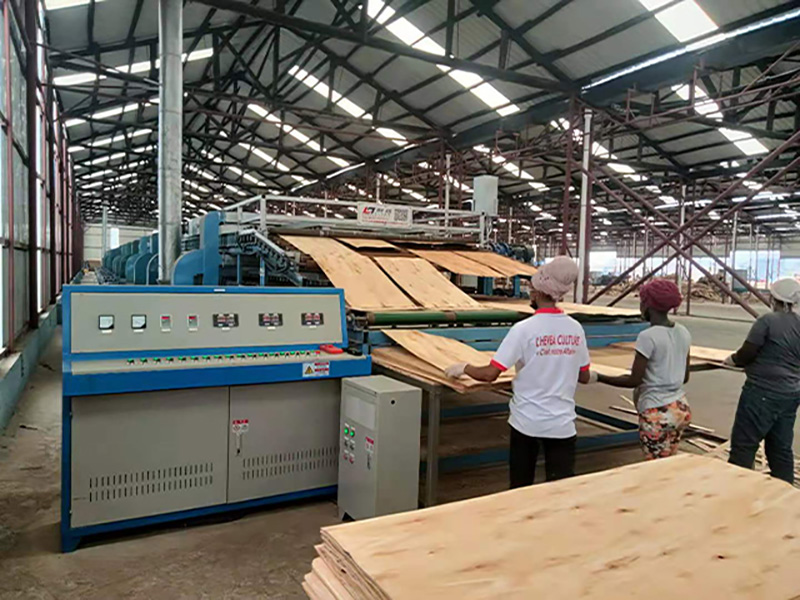
Start with core veneer requirements before comparing capacity
Core veneer is the internal layer material in plywood production, so moisture consistency is the first performance requirement—not headline output. In Shine’s published configurations, models are commonly described as drying fresh veneer to about 8–10% or about 10% moisture, depending on the configuration.
From a buying perspective, three inputs keep the selection grounded:
Veneer thickness range you actually run on the line (not just the maximum thickness a brochure lists).
Incoming moisture (fresh veneer is a common reference point in model parameters).
Target moisture needed for your downstream handling and production.
When buyers treat daily capacity as the only KPI, they risk selecting a machine that looks “bigger” on paper but is mismatched to the veneer they run. A more practical approach is to select a Wood Veneer Machine configuration that matches the veneer’s physical demands, then optimize loading so the installed drying space is truly used.
Understand 3D loading capacity in a veneer drying process
“Loading capacity” is often discussed like a single number, but the usable capacity of a veneer dryer comes from three dimensions working together:
Length is residence time in the heating area
Across Shine model parameters, heating area length appears in the range of 16 m, 24 m, 36 m, and 48 m, depending on configuration. For example:
GTH30-20 (2 deck): 16 m heating area
GTH30-28 (1 deck): 24 m heating area
GTH30-40 (2 deck): 36 m heating area
GTH30-52 (4 deck): 48 m heating area
In the Veneer Drying Process, heating length affects how long veneer can stay in the heating section at a given transport speed. It’s a key part of capacity, but not the whole story.

Width defines how much veneer you can feed per pass
Working width in Shine’s listed models includes 3 m and 4.5 m options. Width matters because it determines how much transverse space you have for feeding veneer sheets. If your core veneer size is constrained by upstream clipping, width helps define whether you load the machine efficiently or leave “empty lane” space on each run.
Deck count adds vertical drying space
Deck number is the clearest “third dimension.” Shine lists 1 deck, 2 deck, and 4 deck designs. Moving from one deck to multiple decks is not just about higher throughput—it’s about using the available length and width more completely by multiplying the usable drying paths.
A four-deck configuration such as GTH45-40 combines 4 decks, 36 m heating area length, and 4.5 m working width, with a specified drying capacity of 8 m³/h and actual electricity consumption of about 200 kWh per hour.
The takeaway is simple: improving 3D loading is not “feeding more veneer at any cost.” It is feeding in a way that makes full use of length × width × decks while still achieving the target moisture for Drying Veneer.
Shine configurations buyers often compare in a core dryer shortlist
The table below consolidates published parameters across several Shine configurations. Where some models list capacity per day and others per hour, compare on the same operating hours before making a decision.
Tip for buyers: start by confirming thickness range and target moisture, then use this table to shortlist the right footprint (length/width/decks) and utility profile.
| Model | Deck | Working Width | Heating Area Length | Veneer Thickness | Fresh Veneer To | Drying Capacity | Actual Electricity Consumption |
|---|---|---|---|---|---|---|---|
| GTH30-28 | 1 | 3 m | 24 m | 0.6–8 mm (table reference: 1.7) | about 10% | about 22–27 m³/day | about 60 kWh per hour |
| GTH30-20 | 2 | 3 m | 16 m | 0.6–8 mm | about 10% | 40–50 m³/day | about 80 kWh per hour |
| GTH30-40 | 2 | 3 m | 36 m | 0.6–8 mm | about 10% | 55–65 m³/day | about 110 kWh per hour |
| GTH30-20 (Automatic) | 4 | 3 m | 16 m | 0.6–8 mm | about 8–10% | 2.5 m³/h | about 100 kWh per hour |
| GTH45-40 | 4 | 4.5 m | 36 m | 0.6–8 mm | about 8–10% | 8 m³/h | about 200 kWh per hour |
| GTH30-52 | 4 | 3 m | 48 m | 0.8–8 mm | about 8–10% | 7–8 m³/h | about 200 kWh per hour |
When reviewing these options, note that Shine also publishes transport speed ranges of 5–22 m/min and describes automatic temperature control and speed regulation systems in multiple configurations—features directly tied to moisture consistency.
Moisture control is what makes output “usable” Dry Veneer
The goal of a core dryer is not maximum evaporation—it is stable, uniform moisture that supports your handling and production rhythm.
In Shine’s published parameters:
Drying temperature is commonly described as 140–200°C adjustable (some configurations list 140–180°C).
Multiple models describe an automatic temperature control and speed regulation system to keep moisture content consistent.
Some configurations list temperature control accuracy ±5°C.
Transport speed is listed as 5–22 m/min.
For example, the 2-deck 40 m wood veneer dryer machine (GTH30-40) is described as using frequency conversion control so transmission speed and temperature can be adjusted according to different veneer thickness and moisture content. The same product page also describes output veneer as smooth and notes reduced drying defects such as cracks, wrinkles, or end ripples.
If a buyer focuses only on daily output, they may miss the operating controls that decide whether the final Dry Veneer is consistent batch-to-batch.
Space and utilities can be decisive selection constraints
Two buyers may need the same moisture outcome, but their workshop and energy constraints can push them toward very different configurations.
Workshop footprint
Shine publishes covered space or overall dimensions for certain models, for example:
GTH30-28 space covered about 32 m × 9 m × 2 m
GTH30-52 overall dimension 63 m × 11 m × 3.5 m
For procurement planning, these numbers are as important as the nameplate capacity.
Heating equipment and electricity profile
Shine model parameters list biomass burner tonnage and electricity consumption by configuration, such as:
GTH30-28: 2 ton biomass burner; about 60 kWh per hour electricity consumption
GTH30-40: 4 ton biomass burner; about 110 kWh per hour
GTH30-52: 10 ton biomass burner; about 200 kWh per hour
GTH45-40: 15 ton biomass burner; about 200 kWh per hour
Buyers comparing a Veneer Hot Press Dryer style configuration with smaller or mid-range lines should treat burner sizing and power draw as part of the “real capacity” discussion, because utilities determine whether the machine can be run at the settings needed for your target moisture.
For related heating options, Shine also references a biomass burner in product specifications.
A practical selection checklist that keeps 3D loading realistic
Before locking in a configuration, buyers typically confirm the basics in writing so the equipment is matched to production needs:
Veneer thickness you will run (e.g., ranges such as 0.6–8 mm or 0.8–8 mm appear in different configurations).
Incoming moisture reference (fresh veneer is commonly used in model parameters).
Target moisture (multiple configurations describe drying fresh veneer to about 8–10% or about 10%).
Required production unit (m³/h or m³/day) and how many operating hours define your day.
Preferred heating area length (16 m / 24 m / 36 m / 48 m are published examples).
Working width (3 m vs 4.5 m) matched to your veneer sizing.
Deck count (1 / 2 / 4) and how you plan to load each deck.
Available workshop space (for example, 32×9×2 m vs 63×11×3.5 m).
Utilities: biomass burner tonnage and hourly electricity consumption.
Shine also describes a modular design and notes that installation is typically about 40 days, with the exact period varying by site conditions, equipment scale, and customer requirements.
For buyers building a shortlist, product pages for the Veneer Dryer category and specific models are a practical place to confirm the parameters that shape real-world loading capacity.
FAQs
What does “3D loading capacity” mean for a veneer dryer?
It refers to how effectively a dryer uses its heating area length, working width, and deck count together, rather than relying on a single promised daily output figure.
Which Shine models list a 0.6–8 mm veneer thickness range?
Published parameters show 0.6–8 mm for configurations including GTH30-28, GTH30-20 (2 deck), GTH30-40, GTH30-20 (4 deck automatic), and GTH45-40.
Which model lists 0.8–8 mm veneer thickness?
The GTH30-52 configuration lists 0.8–8 mm in its published parameters.
What moisture outcome is commonly referenced in Shine configurations?
Multiple models describe drying fresh veneer to about 8–10% moisture content, and some list drying fresh veneer to about 10%.
What temperature ranges are listed for Drying Veneer?
Several configurations list waste wood heating with drying temperature 140–200°C adjustable, and some list 140–180°C. Certain models also list temperature control accuracy of ±5°C.
What is a small-scale option in the listed configurations?
GTH30-28 is described as a one-deck 28 m roller veneer dryer with a drying capacity of about 22–27 m³/day and actual electricity consumption of about 60 kWh per hour.