
Confirm Power and Fuel Before Buying a 40–45 m³ Veneer Dryer
A 40–45 m³/day veneer dryer is not a “small add-on” to a plywood workshop. It behaves like a continuous production line: it runs for long shifts, draws stable electrical load for fans and drives, and relies on a dependable heat source to deliver consistent Dry Veneer moisture.
Using the GTH30-32 roller core dryer as a reference, two numbers tend to define early feasibility: 134.5 kW total installed power and about 95 kWh of electricity consumption per operating hour. Before comparing brands or negotiating price, buyers usually get faster decisions by checking whether plant power and the fuel structure match these requirements.

The GTH30-32 parameters that make it a real line
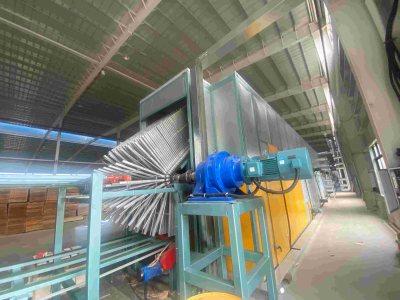
The GTH30-32 is a two-deck, 32 m roller veneer dryer used for continuous drying in plywood production. Its published configuration combines a 28 m heating area and a 4 m cooling area, with a 3.0 m working width.
For procurement teams evaluating a Wood Veneer Machine line, the specification sheet is most useful when it is treated as an installation checklist (space, power, heat source) rather than just a capacity headline.
| Parameter | GTH30-32 (published specification) |
|---|---|
| Model | GTH30-32 |
| Working width | 3.0 m |
| Deck | 2 |
| Heating area length | 28 m |
| Cooling area length | 4 m |
| Veneer thickness | 0.6–8 mm |
| Drying temperature | 140–200°C adjustable |
| Moisture target | Fresh veneer to about 10% |
| Veneer speed | 5–22 m/min (16A chain) |
| 4 ton biomass burner power | 16.5 kW |
| Total installed power | 134.5 kW |
| Actual electricity consumption | About 95 kWh per hour |
| Heating medium options | Thermo oil, biomass burner, or heat steam |
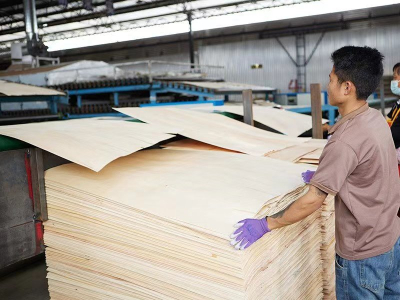
In practice, daily output for Drying Veneer is also influenced by thickness, incoming moisture, temperature setpoint, and transport speed. That is why a 40–45 m³/day veneer dryer typically demands the same level of planning discipline as other core equipment in a plywood line.
Electricity comes first because the dryer load is continuous
Many purchasing discussions get stuck because installed power (kW) and consumption (kWh) are treated as the same thing. They are not. Installed power is the summed rating of motors and electrical devices, while hourly electricity consumption reflects what the line actually draws during operation.
For the GTH30-32, published electrical items include hot air blowers, traction motors, a cold air blower, intake fans, and the biomass burner electrical load.
| Electrical item | Power (published) |
|---|---|
| Hot air blower | 11 kW × 7 units |
| Traction motor | 7.5 kW × 2 units (frequency control) |
| Cold air blower | 11 kW × 1 unit |
| Air intake fan | 7.5 kW × 2 units |
| 4 ton biomass burner | 16.5 kW |
| Total installed power | 134.5 kW |
| Actual electricity consumption | About 95 kWh per hour |

A practical way to use these numbers is to map them onto operating hours. If a plant intends to run a veneer drying line for longer shifts, the hourly consumption quickly becomes a budgeting and transformer-sizing topic—especially in factories where peeling, conveying, and handling systems already share the same electrical capacity.
Beyond nameplate power, buyers often confirm three on-site details before equipment arrival: available transformer capacity, motor starting conditions for fan groups, and whether other production loads will overlap with the dryer’s intended schedule. This is the fastest way to avoid commissioning delays after the veneer dryer is already on the floor.
Fuel structure is a procurement decision, not an afterthought
Electrical power runs the moving parts, but the drying result depends on heat delivery. Published materials for Shine Machinery’s roller dryers describe multiple heating media options—biomass burner, steam, or thermal oil—so buyers commonly select based on what the factory can support reliably.
One notable route is biomass firing, because plywood plants often generate usable residues during peeling and trimming. Shine’s product descriptions explicitly list tree bark, waste veneer, waste wood, branches, chips as acceptable biomass burner fuels in typical configurations. In cost discussions, published materials also mention composite drying cost estimates such as USD 6–12 per cubic meter (labor + fuel + electricity) for biomass-heated veneer drying, and an example figure of about USD 10 per cubic meter for a biomass-burner heated roller dryer.
For larger published configurations, product pages also show that a 4-deck plywood core dryer machine (GTH30-36) is commonly paired with a 10-ton biomass burner, while the GTH30-32 configuration lists a 4 ton biomass burner.
To keep comparisons simple at RFQ stage, many buyers use a short table like the one below.
| Heating option | What the buyer typically checks first |
|---|---|
| Biomass burner | Availability and handling of bark/waste wood; combustion stability; integration with heat exchangers |
| Steam | Existing boiler infrastructure and steam capacity; piping and maintenance readiness |
| Thermal oil | Existing thermal oil heater system; temperature control practices; installation scope |
For sourcing teams searching terms like “China veneer dryer manufacturer” or “China veneer dryer supplier,” this fuel decision is often the differentiator: two machines may quote the same capacity, but the site’s fuel reality determines whether the line can hold temperature and deliver stable Dry Veneer moisture shift after shift.
Align the Veneer Drying Process with moisture and flatness goals
The published Veneer Drying Process flow for a roller veneer dryer is straightforward: feeding, heating, cooling, and outfeed—continuously. For the GTH30-32, the structure is explicitly split into 28 m heating and 4 m cooling.
Key adjustable levers are also published:
Drying temperature: 140–200°C adjustable
Transport speed: 5–22 m/min
Veneer thickness range: 0.6–8 mm
Moisture result (published): fresh veneer to about 10%
For buyers comparing a roller dryer against other upstream/downstream equipment, it helps to keep terminology clean: a roller veneer dryer removes moisture before subsequent steps, while a Veneer Hot Press Dryer belongs to a different stage of plywood manufacturing. Treating them as separate equipment categories reduces specification confusion during line design.
Published descriptions for the plywood core dryer machine also explain a continuous pressure contact drying concept: veneer is clamped by upper and lower rollers, the oven is preheated, and hot air is blown to upper and lower sides to support rapid drying and even moisture.
When specifying a core dryer, procurement teams often ask for the same operational assurances: stable temperature control, speed regulation, and a repeatable moisture outcome compatible with the factory’s gluing and pressing routine.
GTH30-32 and GTH30-36 are built for different planning horizons
If the plant’s roadmap calls for significantly higher throughput, Shine’s published data for the plywood core dryer machine (GTH30-36) provides a clear comparison point against the GTH30-32.
| Parameter | GTH30-32 | GTH30-36 |
|---|---|---|
| Working width | 3.0 m | 3.0 m |
| Deck | 2 | 4 |
| Heating area length | 28 m | 32 m |
| Cooling area length | 4 m | 4 m |
| Drying capacity | 40–45 m³/day | 110 m³/day |
| Drying temperature | 140–200°C adjustable | 140–200°C adjustable |
| Moisture result (published) | Fresh veneer to about 10% | Fresh veneer to about 8–10% |
| Actual electricity consumption | About 95 kWh per hour | About 149 kWh per hour |
The takeaway is simple: higher capacity is paired with higher electricity draw. That is why capacity selection is usually finalized only after electricity and fuel structure are confirmed.
A pre-purchase checklist that prevents costly surprises
Before issuing a purchase order for a 40–45 m³/day veneer dryer, buyers typically validate eight items in sequence:
Operating hours plan: intended daily runtime that turns hourly kWh into an energy budget.
Transformer and distribution readiness: whether the plant can support 134.5 kW installed power alongside existing loads.
Hourly electricity consumption fit: how “about 95 kWh per hour” aligns with utility pricing and peak-load policy.
Heat source decision: biomass burner vs steam vs thermal oil, based on existing infrastructure.
Fuel handling plan (if biomass): storage, size control, and steady feed using bark/waste wood/waste veneer.
Material range: thickness and format within 0.6–8 mm, plus line speed requirements.
Moisture target: whether “about 10%” matches internal gluing and pressing practices.
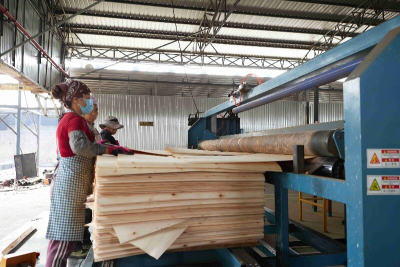
Line integration: whether an automatic veneer feeder and outfeed section are required for labor planning.
For teams who want to compare configurations quickly, the product pages for the veneer dryer, the biomass veneer dryer, and the plywood core dryer are commonly used as a baseline.
To explore additional layouts across capacities, buyers often browse a dedicated Veneer Drying Line category and shortlist models that match their power and fuel reality.
For official specifications and configuration details, visit www.veneersdryer.com.
FAQs
Is a 40–45 m³/day veneer dryer considered a small line?
In practical planning terms, it is commonly treated as a continuous production line because it combines long heating and cooling sections, multiple fan groups, traction drives, and a dedicated heat source.
What are the key electricity figures for the GTH30-32 core dryer?
Published values list 134.5 kW total installed power and about 95 kWh per hour actual electricity consumption.
What heating options are listed for the GTH30-32 veneer dryer?
Product information lists heating via thermo oil, a biomass burner, or heat steam.
What moisture level can the GTH30-32 deliver according to published specs?
The published specification states fresh veneer to about 10% moisture.
What veneer thickness range does the GTH30-32 support?
Published specs list 0.6–8 mm veneer thickness.
How does GTH30-36 differ from GTH30-32 in capacity and electricity use?
Published data lists 110 m³/day capacity and about 149 kWh per hour consumption for GTH30-36, compared with 40–45 m³/day and about 95 kWh per hour for GTH30-32.
Can waste wood and bark be used as fuel in a biomass burner configuration?
Published descriptions of biomass heating list fuels such as tree bark, waste veneer, waste wood, branches, and chips, depending on the specific system setup.