
Wrinkles and Cracks Persist When Your Veneer Dryer Machine Runs Cold
Wrinkles (buckling), cracks (splits), and “wet-and-dry” inconsistency can feel like problems that should be solved by changing conveyor speed. In practice, speed is usually the last lever you should touch. In most lines, repeated defects in plywood veneer drying are a sign that the Veneer Drying System is not delivering stable heat and balanced air movement through the drying zones.
This article walks through a practical, production-friendly sequence: verify the heating path first (including any heat-exchange section where installed), confirm airflow stability, then adjust speed in small, controlled steps. It also uses published machine specifications to show what “adjustable range” means in daily operation—especially when you’re running a veneer dryer machine across multiple veneer thicknesses.
Why speed changes rarely solve repeat defects
Conveyor speed controls one thing above all: how long veneer stays in the hot section. That matters—but only after the dryer is delivering predictable heat and circulation.
In many factories, operators respond to wrinkles and cracks by slowing the line. If the real issue is uneven heating or unstable circulation, slowing down simply increases exposure time in the “wrong” conditions. The result can be more drying variation across sheets and more visible quality problems downstream.
A more reliable approach is to treat speed as a fine-tuning tool. For repeat defects in Drying Veneer, the first goal is to stabilize the conditions inside the dryer so that any speed adjustment produces a consistent, interpretable outcome.
Check the heating path before adjusting speed
A stable sequence helps teams troubleshoot faster and reduces “trial-and-error” changes during a shift.

Confirm the dryer zone structure and basic operation
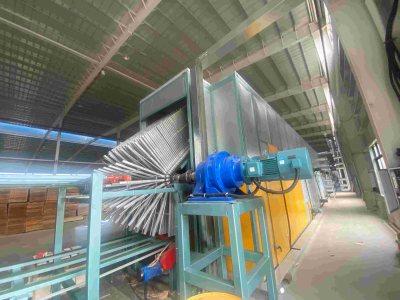
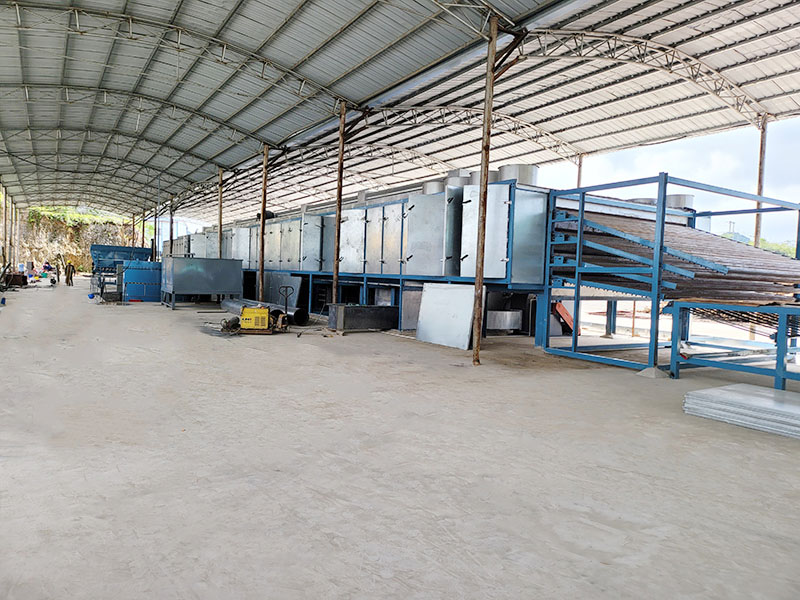
A vertical veneer drying machine is described as being composed of four parts: Feeding area, Heating area, Cooling area, and Discharging area. That structure supports continuous processing and gives operators clear checkpoints when results drift.
When wrinkles and cracks repeat in plywood veneer drying, start by confirming that each area is running normally before changing speed.
For the machine structure description and core positioning, see the Vertical Veneer Drying Machine page.
Verify the heat source is running steadily
Vertical tunnel-type core veneer drying equipment is described as using a hot air stove as the heat source. If the heat source output fluctuates, the rest of the Veneer Drying System cannot “average it out” through speed changes alone.
In operations terms, heating instability often looks like:
Similar veneer entering the dryer but different outcomes between batches
Localized drying differences that appear and disappear without any speed change
Quality changes that track burner operation more than conveyor settings
Include the heat-exchange section where installed
Some configurations are described as using waste heat reheating technology as part of a supporting heat-source arrangement. If your veneer dryer machine line includes a heat exchanger or waste-heat reheating section, treat it as part of the heating path that must be checked before speed changes.
In practical maintenance routines, that typically means confirming the heat-transfer surfaces are in a condition that supports stable heating and that the air path is not restricted.
Check airflow and temperature behavior as a system
Wood vertical veneer drying is described as having uniform airflow and steady temperature, and adopting a countercurrent drying cycle to support quick drying and uniform quality.
When defects persist, the logic is simple: if airflow is no longer uniform, you will not get uniform results—regardless of speed. Before tuning conveyor speed, confirm the operating condition of the circulation fans and the stability of the thermal environment across the working width.
Use published specifications to guide safe adjustments
Specifications are most useful when you treat them as adjustable ranges, not fixed “best settings.” A modern veneer dryer machine may offer automatic temperature control and speed regulation so operators can match conditions to veneer thickness and production goals.
Below is an example set of specifications for a four-deck core veneer drying machine (model GTH30-20), illustrating the kind of operating envelope buyers and operators can reference.
Example specification window for a veneer dryer machine
| Item | Specification (GTH30-20) |
|---|---|
| Working width | 3.0 m |
| Deck | 4 |
| Heating area length | 16 m |
| Cooling area length | 4 m |
| Veneer thickness | 0.6–8 mm |
| Heating material and temperature | Waste wood, 140–200°C adjustable |
| Temperature control accuracy | ±5°C |
| Veneer transport speed | 5–22 m/min |
| Drying capacity | 2.5 m³/h |
| Veneer water moisture | Fresh veneer to about 8–10% |
The key operational takeaway is straightforward: if the heating behavior is not stable, using the speed range to “chase” quality will usually create more variability. Stabilize heating and airflow first, then change speed in small steps so the team can see clear cause-and-effect.
Vertical, roller, and multi-deck layouts create different operating priorities
Many procurement teams evaluate layout first, then match the layout to the veneer type, floor space, and staffing model. The main point is not that one layout is “best,” but that each Veneer Drying System places emphasis on different constraints.
Vertical Veneer Dryer for compact installation and core veneer focus
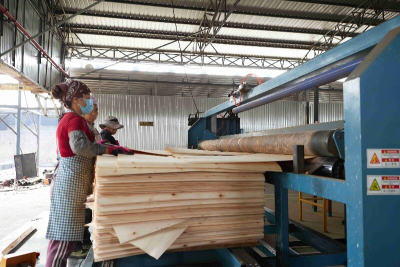
Vertical core veneer dryer equipment is described as using three-dimensional loading of veneer and covering an area of only two-thirds of the roller dryer. It is also described as being designed for core veneer at a lower cost, with low professional requirements for workers, and requiring 2 workers per shift.
Wood vertical veneer drying is described as focusing on uniform airflow and steady temperature with a countercurrent drying cycle.
For buyers comparing a Vertical Veneer Dryer footprint to a roller line, the stated floor-space ratio (about two-thirds) can be a decisive planning input—especially when the installation layout limits total heating length.
Roller core veneer dryer machine for consistent moisture and flatness targets
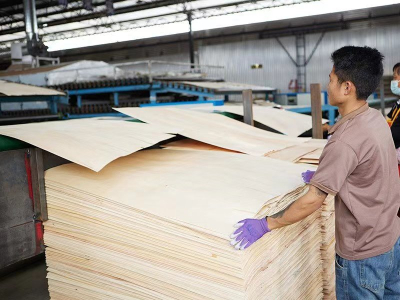
A roller core veneer dryer machine is described as producing veneer with uniform moisture content that is flat without buckle or end waviness. It is also described as leaving veneer free of splits and in good condition for gluing.
This type of roller Veneer Drying System is also described as being equipped with an automatic control system and adopting frequency conversion to adjust transmission speed and temperature automatically.
If your goal is to reduce wrinkles (buckling) and cracks (splits) in Drying Veneer, the combination of temperature control plus frequency-converted speed control should still be used in the same discipline: stabilize heating behavior first, then fine-tune conveyor speed.
Low Cost Veneer Dryer for budget-focused roller drying lines
A Low Cost Veneer Dryer is described as a roller veneer dryer with a 3 m working width, veneer thickness range 0.8–8 mm, and a 32 m heating area length. It is also listed with a drying capacity of 50–60 m³/day, using a biomass burner (with other options available).
For procurement, the practical question is how a Low Cost Veneer Dryer fits your mill’s throughput and floor-space plan. For operations, the key question is whether heating stability and airflow balance are holding steady before you change speed to address wrinkles and cracks.
Cost and capacity signals that link back to stability
A low purchase cost does not automatically mean low operating cost. Product information for vertical dryer configurations describes:
Drying cost less than $8/m³
Drying cost stated as 30–60% of other dryers
Loading capacity described as 30–80% higher than other dryers
On-site assembly to suit a customer’s location requirements
These numbers are typically discussed by buyers alongside real operating conditions. For troubleshooting, the operational meaning is clear: stable airflow and steady temperature are not just “quality features”—they are cost features, because instability can increase rework, re-drying, and handling time.
A shift-start checklist for repeated wrinkles and cracks
Use a consistent routine so the team doesn’t jump straight to speed changes.
| Checkpoint | What to confirm before changing speed |
|---|---|
| Dryer zones | Feeding, heating, cooling, and discharging areas are running as expected |
| Heat source | Hot air stove operation is steady |
| Heat exchange section (where installed) | Waste-heat reheating/heat exchanger section is not limiting heat delivery |
| Air movement | Airflow is behaving uniformly and temperature is steady in operation |
| Control approach | Automatic control and frequency conversion adjustments are made deliberately, one change at a time |
| Output quality | Watch for buckle/end waviness and splits as key visible signals |
| Target moisture window | Use model parameters as a reference point (examples include fresh veneer to about 8–10%, fresh veneer dried to 0–5%, or fresh veneer to within 20%, depending on model) |
When defects repeat in plywood veneer drying, this sequence prevents the most common mistake: pushing speed up and down while the heating path remains unstable.
FAQs
Should I slow down the veneer dryer machine as soon as wrinkles appear?
Not immediately. Start by checking the heating path (hot air stove and airflow behavior), then fine-tune speed only after heating is stable.
If my Veneer Drying System has a heat exchanger, when should it be checked?
Before changing conveyor speed. If the line includes a heat exchanger or waste-heat reheating section, include it in the heating-path inspection so heat delivery stays steady.
What does a Vertical Veneer Dryer focus on in daily production?
Vertical veneer drying is described as emphasizing uniform airflow, steady temperature, and a countercurrent drying cycle. The vertical structure also uses three-dimensional loading and is described as taking about two-thirds of the area of a roller dryer.
How many workers are needed to operate a vertical core veneer drying machine?
Vertical tunnel-type core veneer drying equipment is described as requiring 2 workers per shift.
What features are mentioned for roller core veneer drying equipment?
A roller core veneer dryer machine is described as producing veneer with uniform moisture content that is flat without buckle or end waviness, and leaving veneer free of splits and in good condition for gluing. It is also described as using automatic control and frequency conversion for speed and temperature adjustment.
What are the published specs for a Low Cost Veneer Dryer?
It is listed as a roller veneer dryer with 3 m working width, 0.8–8 mm veneer thickness range, 32 m heating area length, 50–60 m³/day drying capacity, and biomass burner heat source (other options available).
Where can buyers compare different veneer drying equipment types?
The product directory is available at https://www.veneersdryer.com/product/.