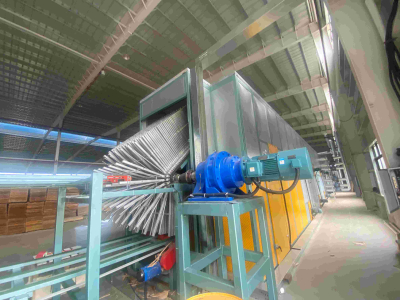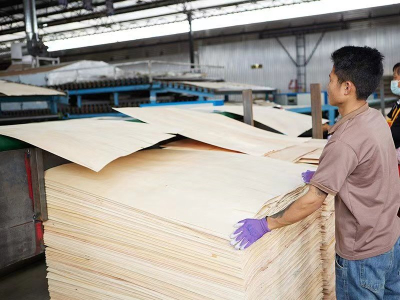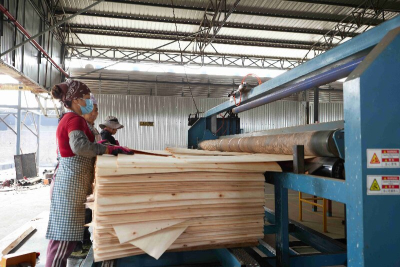

Wood Drying Machine – The Complete Guide to Veneer Dryer and Wood Dryer Solutions for Modern Plywood Manufacturing
Wood drying stands as one of the most critical yet energy-intensive operations in the entire wood processing industry. Whether you manufacture plywood, furniture, flooring, or decorative surfaces, the quality of your final product depends directly on how well you control moisture content during drying. Improper drying leads to warping, cracking, discoloration, and uneven moisture distribution – defects that compromise structural integrity and diminish market value-.
The wood drying machine has evolved dramatically over the past decade. From traditional kiln drying to advanced veneer dryer systems with real-time moisture mapping and intelligent control, modern wood dryer technology offers unprecedented levels of precision, energy efficiency, and automation. This comprehensive guide explores everything you need to know about wood drying machines – from the different types of veneer dryers and wood dryers available to their key features, benefits, and how to choose the right equipment for your operation.
What Is a Wood Drying Machine?
A wood drying machine is industrial equipment designed to remove moisture from wood materials – whether lumber, timber, or veneer sheets – to achieve a target moisture content suitable for further processing. The wood drying machine plays an essential role in the production line of plywood, wood pallets, density boards, and many other woodworking products.
The basic principle is straightforward: heat is applied to evaporate moisture, and airflow carries the moisture away. However, modern wood drying machines are far from simple. They incorporate sophisticated temperature control systems, multi-zone heating chambers, variable-speed conveyors, and advanced sensors that monitor moisture content in real time. The wood dryer you choose will determine not only the quality of your output but also your energy costs, production throughput, and environmental footprint.
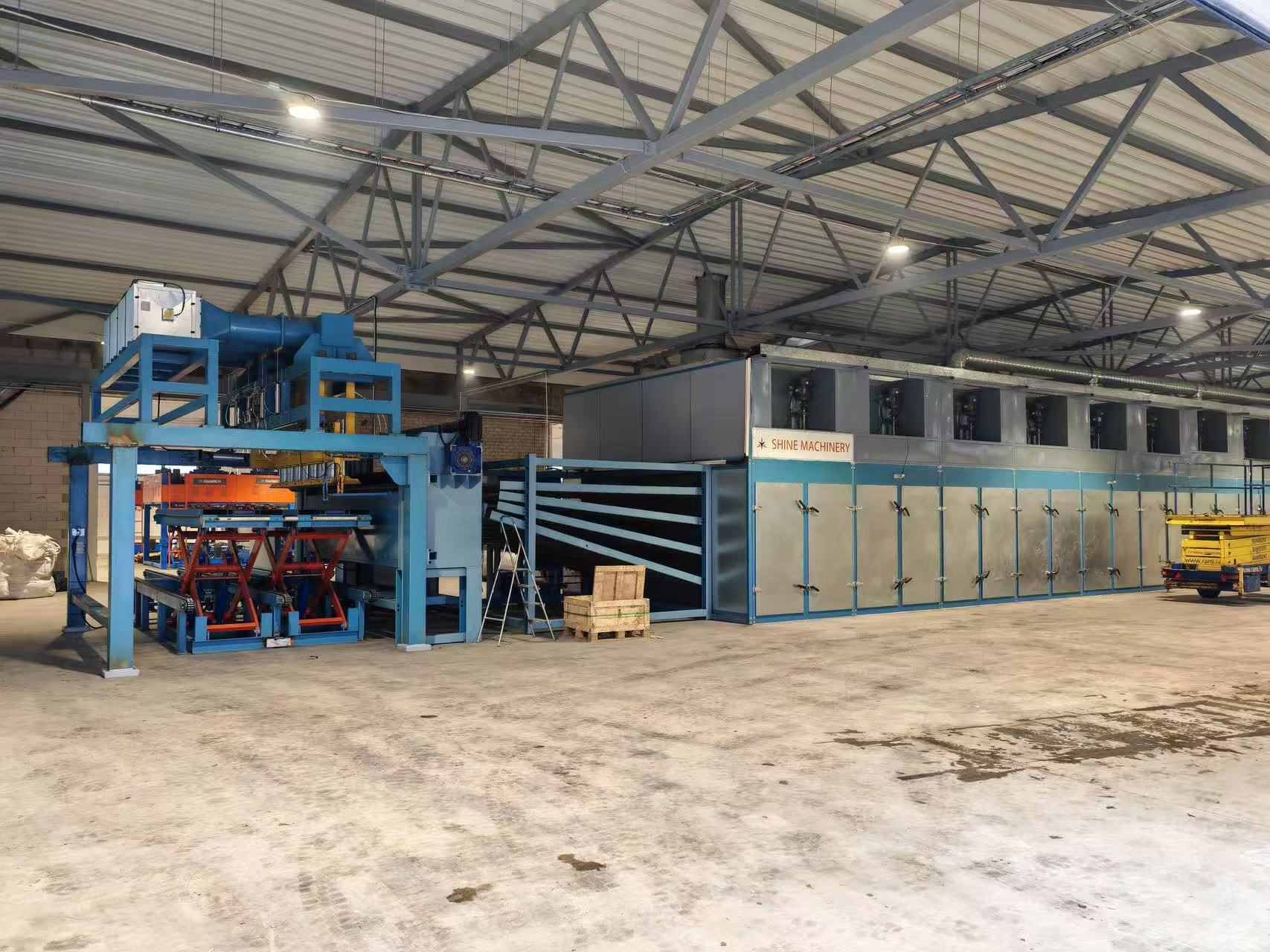
Types of Wood Drying Machines – Understanding Your Options
The wood drying machine market offers several distinct types, each suited to different applications, production scales, and budget considerations. The main categories include veneer roller dryers, veneer mesh dryers, veneer press dryers, and vertical veneer dryers.
The veneer roller dryer represents the most common type of wood drying machine in plywood production. It uses a series of vertically aligned, powered rollers to transport veneer while simultaneously applying high-pressure hot air through an array of nozzles. Roller dryers offer a compact structure and are ideal for continuous drying of thicker veneers with high automation. They are specifically engineered to handle veneers with sufficient rigidity, typically those exceeding one and a half millimeters in thickness.
The veneer mesh dryer, also known as a belt-type dryer, is better suited for thin veneers that require uniform drying. Mesh dryers use a wire mesh belt to carry veneer through the drying chamber, allowing hot air to penetrate from both sides. While they offer excellent drying uniformity, mesh dryers typically require more floor space than roller alternatives. The veneer mesh dryer is widely used in flatting drying of high-grade plywood, multi-layer board, and architectural core face veneer.
The veneer press dryer represents a third category, which divides into press dryers with square tubes and press dryers with hot platens. Press dryers apply direct contact heat to the veneer surface, offering high thermal efficiency and excellent flatness.
The vertical veneer dryer has gained significant attention in recent years for its space-saving design. With a minimal footprint and energy-saving operation, the vertical dryer is particularly attractive for small and medium factories where floor space is limited. Veneers are placed vertically and pass through the drying chamber, achieving high space utilization.
Temperature Uniformity – The Key to Quality Veneer Drying
Temperature uniformity within the wood drying machine directly determines veneer quality. When a veneer dryer fails to maintain consistent thermal conditions across the drying chamber, the consequences are immediate and costly – uneven moisture content, warping, cracking, and rejected veneer sheets.
Modern wood drying machines address this challenge through optimized hot air circulation systems that ensure uniform heat distribution within the drying chamber, providing consistent drying across the top, bottom, and sides of the veneers. Advanced control systems automatically adjust temperature, humidity, and airspeed according to pre-set drying curves until the veneers reach the predetermined optimal moisture content.
Leading veneer dryer manufacturers have achieved remarkable precision in temperature control. Some systems now offer PLC control with temperature accuracy within plus or minus one degree Celsius, significantly reducing defects in delicate veneer drying. Whether at the center or the edge of the veneer, modern wood dryers ensure uniformity of heat and moisture distribution, resulting in consistent quality after drying.
Energy Efficiency and Waste Heat Recovery in Wood Drying
Wood drying is one of the most energy-intensive processes in lumber production. However, significant advances in energy efficiency have transformed the wood drying machine landscape. Waste heat recovery systems have emerged as a game-changing technology for the wood dryer industry.
A well-designed air-to-air heat recovery system can recover between twenty-five and forty percent of exhaust energy, depending on factors such as exhaust air temperature, exchanger design, and airflow management. Studies have shown that waste heat recovery efficiencies range from twenty to twenty-eight percent, with weighted mean efficiencies of approximately twenty-two percent in summer and twenty-four percent in winter.
The energy savings from heat recovery are substantial. Electrical and energy consumption can be reduced by nearly nineteen percent and thirty-nine percent respectively. Energy-conservation efficiency can be predicted to range from twelve to twenty-three percent annually. In cold climates, recovering waste heat from conventional wood dryers can reduce annual energy consumption by up to forty-one percent.
Some manufacturers have developed automatic dryer exhaust control systems that exhaust dryers at the lowest temperature point during the process, dramatically improving thermal efficiency. Dryers equipped with such systems have been proven to increase productivity, reduce thermal energy requirements, and reduce exhaust flow.
How to Choose the Right Wood Drying Machine for Your Operation
Selecting the appropriate wood drying machine requires careful evaluation of several factors.
First, consider your production volume and throughput requirements. For continuous production lines with higher throughput expectations, a roller veneer dryer is often the preferred choice. For operations with lower capacity needs or limited floor space, a vertical veneer dryer offers excellent value.
Second, evaluate the thickness and type of veneer you process. Roller dryers are specifically engineered for medium-to-thick veneers exceeding one and a half millimeters. Mesh dryers are better suited for thin veneers requiring uniform drying. Press dryers offer excellent flatness for applications where surface quality is paramount.
Third, assess your facility's space constraints. A vertical veneer dryer offers a minimal footprint and is best for small and medium factories. Roller dryers and mesh dryers require more floor space but can be produced in different drying widths, lengths, and floors to satisfy varying capacity requirements.
Fourth, consider energy efficiency and operating costs. Modern wood drying machines with waste heat recovery and intelligent control systems can significantly reduce energy consumption over the equipment's lifetime.
Finally, look for features that enhance drying quality. Precision temperature control, uniform heat distribution, and automated moisture monitoring are essential for producing high-quality veneer.
Market Trends and Future Outlook for Wood Drying Machines
The global wood drying machine market continues to grow steadily. The global wood kiln dryer market reached approximately 1.24 billion yuan in 2025 and is projected to reach 1.71 billion yuan by 2032, representing a compound annual growth rate of 4.7 percent-. The global wood dryer market by revenue was approximately 188 million dollars in 2025 and is expected to reach 257 million dollars by 2032-.
Key trends shaping the wood drying machine industry include increased investment in automation and data analytics to improve drying precision and efficiency-. Energy-efficient technologies and renewable energy sources are gaining traction amid cost pressures-. Lumber producers are prioritizing optimization of existing drying operations.
Conclusion: The Wood Drying Machine Is the Backbone of Quality Production
The wood drying machine has evolved from a simple heating device into a sophisticated piece of precision equipment. Whether you choose a veneer roller dryer, a veneer mesh dryer, a veneer press dryer, or a vertical veneer dryer, the right wood dryer will deliver consistent moisture content, superior veneer quality, and efficient energy utilization.
Temperature uniformity, waste heat recovery, and intelligent control systems have transformed what was once an energy-intensive necessity into a competitive advantage. The wood drying machine you select will impact your product quality, operating costs, and environmental footprint for years to come.
The technology is mature, the options are diverse, and the benefits are proven. Now is the time to evaluate your wood drying needs and invest in a wood drying machine that will drive your business forward.