
Check Transformer Margin Before Your Veneer Dryer Runs
A plywood mill can mechanically install a new veneer dryer machine yet still face serious production delays if the plant’s electrical supply hasn't been reviewed beforehand. Shine Machinery model parameters highlight why this step is critical: the GTH30-38 is listed with roughly 155 kWh per operating hour of actual electricity consumption, while the GTH30-36 shows about 170 kWh per operating hour. For a wood drying machine in this range, checking transformer margin should happen before commissioning, not after the dryer arrives.

Why Dryer Capacity Alone Isn't Enough
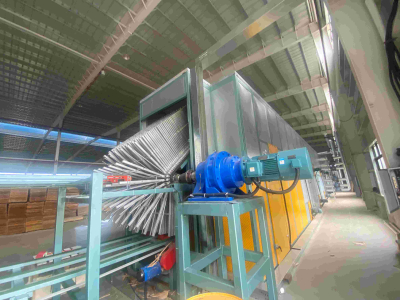
Buyers often start with output requirements: 5 m³/h, 40–45 m³ per 24 hours, or 120 m³/day. While crucial, capacity alone doesn't reveal the whole electrical picture. A Roller Veneer Dryer includes hot-air blowers, traction motors, cold-air blowers, air-intake fans, and burner-related electrical equipment. These loads must be considered alongside the factory’s existing machines.
For instance, the Shine GTH30-38 Automatic Veneer Drying Machine is specified with 220.5 kW total power and approximately 155 kWh per hour of actual electricity consumption. The GTH30-36, another 4-deck configuration, has 212.5 kW total power and about 170 kWh per hour of actual electricity consumption. In contrast, the GTH30-32 two-deck conveyor setup lists 86.5 kW total power and roughly 61 kWh per hour.
Comparing Total Power and Actual Electricity Consumption
It's key not to confuse total power and actual electricity consumption as the same metric. Total power indicates the installed electrical capacity across the equipment. Actual electricity consumption describes the expected operating energy use under the specified configuration. Procurement teams should record both values before discussing transformer loading with a local electrical engineer.

| Shine model | Configuration | Total power | Actual electricity consumption | Listed capacity |
|---|---|---|---|---|
| GTH30-38 | 4 deck | 220.5 kW | About 155 kWh per hour | 120 m³/day |
| GTH30-36 | 4 deck | 212.5 kW | About 170 kWh per hour | 5 m³/h |
| GTH30-32 | 2 deck | 86.5 kW | About 61 kWh per hour | 40–45 m³/24h |
This comparison clearly shows one planning point: a veneer dryer machine should be chosen by model and configuration, not just by its output label. A 4-deck Roller Veneer Dryer and a 2-deck conveyor dryer may both support plywood production, but their electrical demands are vastly different.
Checking Transformer Margin Before Commissioning
Before a wood drying machine goes into production, buyers should align its parameters with the plant’s electrical capacity. A practical approach involves confirming the exact model, recording total power and actual electricity consumption separately, reviewing the electrical loads in the parameter table, and estimating operating energy from planned daily running hours.
For example, if a GTH30-38 operates at its stated actual electricity consumption of approximately 155 kWh per hour, then 10 operating hours translates to about 1,550 kWh of energy use. While this doesn't replace a full electrical engineering review, it gives the plant team a realistic foundation for discussing transformer loading, cable selection, switching equipment, and overall commissioning readiness.
This review becomes even more critical when the dryer joins a factory already running lathes, presses, compressors, sanding machines, or other production equipment. Transformer margin should be checked against the full factory load, not solely against the dryer’s hourly electricity figure.
Heating Source Doesn't Eliminate Electrical Demand
A frequent error is assuming a biomass, steam, gas, or thermal oil heating option negates the need for electrical planning. Heating source and electrical load are connected, yet distinct decisions.
Shine Machinery veneer dryers offer various heating options, including biomass, steam, thermal oil, gas, and hot air. The Heat Thermal Oil Veneer Dryer uses heat-conducting oil as the medium, while biomass configurations can utilize waste wood for heating. Even so, the dryer still contains essential electrical components, such as blowers, motors, fans, and burner-related equipment.
The GTH30-38 parameter table clearly demonstrates this: it includes 34 hot-air blowers each rated at 4 kW, four 5.5 kW traction motors, four 4 kW cold-air blowers, two 15 kW air-intake fans, and a 10-ton biomass burner with its own listed electrical power. Therefore, heating-source selection should be reviewed alongside the machine’s complete electrical parameter sheet.
Energy Planning Must Protect Plywood Veneer Drying Quality
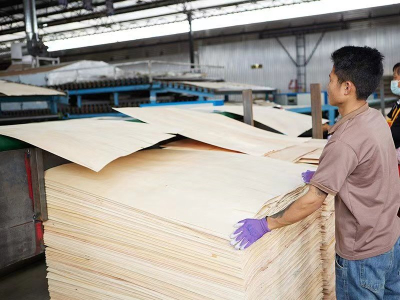
While reducing electricity use is certainly valuable, it only truly matters if Plywood Veneer Drying quality stays consistent. Shine Machinery product information details staged heat exchange, automatic temperature control, and speed regulation systems designed to ensure stable drying conditions. The GTH30-38 specifies fresh veneer drying to about 8–10% moisture, with an adjustable heating temperature of 140–200°C and a temperature accuracy of ±5°C.
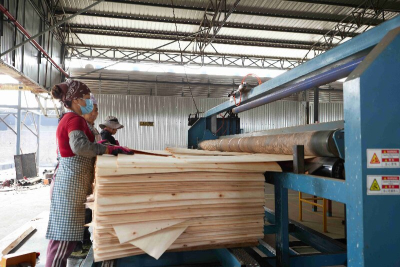
For the GTH30-32 Conveyor Veneer Drying configuration, Shine Machinery also reports an electricity-consumption reduction of up to 35% for its veneer dryers. In practical production, energy management and moisture control should be considered together. Stable airflow, suitable temperature, and controlled transport speed help dried veneer remain flat while minimizing defects like wrinkles and end ripples.
Installation Checks for Overseas Buyers
Electrical planning should be carried out in conjunction with factory layout planning. The GTH30-38 has overall dimensions of 49 m × 11 m × 3.5 m, while the GTH30-32 lists a covered space of 38 m × 9 m × 3 m. These dimensions impact foundation planning, feeding and receiving arrangements, workshop clearance, installation scheduling, and maintenance access.
Buyers evaluating a China veneer dryer manufacturer or China veneer dryer supplier can ask six practical questions before shipment and commissioning:
Which exact veneer dryer machine model and deck configuration is being supplied?
What are the listed total power and actual electricity consumption?
Which heating source will be used?
What factory space and covered dimensions are required?
Has the local electrical team reviewed transformer margin and existing plant loads?
Have installation drawings, electrical schematics, commissioning, and operator training been coordinated?
Shine Machinery provides installation guidance, commissioning, operational training, and technical documentation, including installation drawings and electrical schematics, for its conveyor veneer drying equipment. Model-specific information is available at www.veneersdryer.com.
Conclusion
For a veneer dryer machine operating near 155–170 kWh per hour, transformer margin is not a detail to defer until commissioning day. Shine Machinery model data indicates that actual electricity consumption varies significantly by configuration, ranging from about 61 kWh per hour for the GTH30-32 to approximately 155–170 kWh per hour for the listed 4-deck models.
The safest purchasing sequence is simple: select the Roller Veneer Dryer configuration, confirm total power and actual electricity consumption, review the heating source, check factory space, and align transformer capacity before production begins. This approach provides plywood mills with a more stable foundation for reliable Plywood Veneer Drying and smoother installation.
FAQs
Does 155 kWh per hour mean the dryer has 155 kW total installed power?
No. The GTH30-38 lists 220.5 kW total power and approximately 155 kWh per hour of actual electricity consumption. These two values describe different aspects of the equipment.
Is every Roller Veneer Dryer close to 160 kWh per hour?
No. Electricity consumption varies by model and configuration. The GTH30-36 lists about 170 kWh per hour, the GTH30-38 about 155 kWh per hour, and the GTH30-32 about 61 kWh per hour.
Does biomass or thermal oil heating remove the electrical load?
No. A veneer dryer still uses electrical components such as hot-air blowers, traction motors, cold-air blowers, air-intake fans, and burner-related equipment.
What should buyers check before commissioning a wood drying machine?
They should confirm the exact model, total power, actual electricity consumption, heating source, equipment dimensions, installation requirements, and transformer margin with their local electrical team.
Why does Plywood Veneer Drying quality depend on energy planning?
Stable electrical supply supports consistent operation of blowers, motors, fans, temperature control, and speed regulation systems. These factors help maintain uniform drying conditions.