
Do Not Buy Veneer Dryers by Capacity Alone
A veneer dryer machine's rated capacity helps buyers narrow down choices, but it should never be the sole factor in a purchase. In real plywood production, output fluctuates significantly with veneer thickness, incoming moisture levels, target moisture content, sheet size, heat source, drying temperature, transport speed, and wood species. This is why a mill comparing a 4-deck and 6-deck dryer should ask a more practical question: which configuration truly matches the veneer portfolio that runs through the line every day?

Rated Capacity Is Just the Beginning
A Veneer Dryer operates within a specific process window. At Shine Machinery, we publish roller dryer configurations for veneer thicknesses of 0.8–8 mm, with fresh veneer typically dried to about 8–10% moisture across several documented models. Our machines also feature adjustable drying temperatures ranging from 140–200°C, with a temperature control accuracy of ±5°C, and veneer transport speeds of 5–22 m/min in their published specifications.
These figures matter because a veneer dryer machine does not achieve the same output under every operating condition. A thicker sheet, wetter incoming veneer, or a more challenging wood species may necessitate a slower transport speed or a different drying recipe. For procurement, the brochure number is useful, but understanding the expected operating recipe is far more critical.
Before selecting a wood drying machine, buyers should clearly define these parameters:
Veneer thickness range and sheet dimensions
Incoming moisture and required final moisture content
Main wood species and typical production mix
Daily output requirement by product type
Available installation space and overall process layout
Preferred heat source and desired automation level
Specific feeding, cooling, and collection needs
What Truly Influences Veneer Dryer Output
The actual output boundary of a veneer dryer machine is set by residence time, heat transfer efficiency, and moisture removal capability. In practical terms, veneer must remain inside the heated section long enough to reach the target moisture without developing defects like cracks, wrinkles, end ripples, or uneven surfaces.
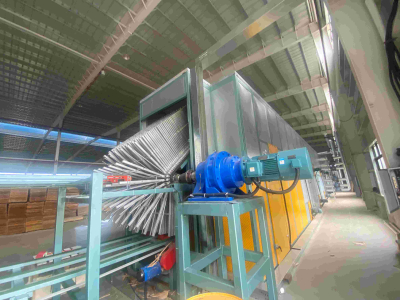
Shine Machinery’s Plywood Veneer Drying equipment employs hot air circulation, efficient humidity removal, and automatic temperature and speed regulation. Our frequency conversion speed control allows the feeding speed to be precisely adjusted based on drying temperature and veneer thickness. This is particularly beneficial for plywood mills that process diverse veneer batches rather than a single, consistent material daily.
Wood species also demands careful consideration. Industry research confirms species as a significant factor affecting drying time, heat, and mass transfer. For our buyers, this means species should be thoroughly discussed during equipment selection, rather than being converted into a generic capacity multiplier. A dryer that performs optimally for one veneer portfolio might require entirely different settings for another.
Four Decks Don't Guarantee a Fixed Output
Deck count is an obvious and easily comparable specification, but it doesn't define capacity by itself. Shine Machinery’s published 4-deck models demonstrate how heating length directly impacts the rated daily output, even when the working width and deck count remain constant.
| Shine 4-Deck Configuration | Working Width | Heating Length | Rated Capacity | Actual Electricity Use |
|---|---|---|---|---|
| GTH30-28 | 3.0 m | 24 m | 80–85 m³/day | about 114–115 kWh/h |
| GTH30-38 | 3.0 m | 34 m | 120 m³/day | about 155 kWh/h |
| GTH30-44 | 3.0 m | 40 m | 140–150 m³/day | about 177 kWh/h |
This comparison clearly illustrates why “4-deck” isn't a complete capacity specification. As the heating section extends from 24 m to 40 m, the published rated capacity changes substantially. Electricity consumption also varies with the configuration. A buyer focusing solely on deck count might overlook more critical engineering questions: heating length, airflow arrangement, temperature control, material load, and the actual veneer mix.

Why 4-Deck and 6-Deck Comparisons Need Context
Industry literature suggests that, under identical length conditions, a six-deck veneer dryer can offer a higher drying capacity than a four-deck design. This is useful general background, especially for mills with high-volume production targets. However, a 4-deck versus 6-deck decision should not be oversimplified into a basic capacity percentage.
While a higher-deck configuration may provide more loading area, actual production still hinges on veneer thickness, moisture range, species, drying temperature, transport speed, feeding stability, and final quality requirements. If the veneer proves challenging to dry uniformly, simply pushing more sheets through the line could actually reduce the effective yield. In a plywood plant, output that fails to meet gluing and moisture standards is, simply put, unusable production.
For this reason, a more effective comparison isn't about "which dryer has more decks?" but rather "which complete configuration consistently produces the required dried veneer quality at the desired daily volume?"
Matching the Roller Veneer Dryer to Your Veneer Portfolio
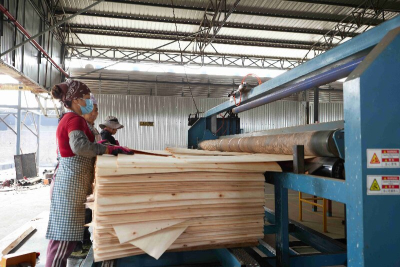
A Roller Veneer Dryer should be engineered around a mill’s actual material flow. Shine Machinery emphasizes that dryer size can be customized according to specific production capacity, process needs, and available space. Furthermore, our front and rear veneer feeding and collection systems can also be tailored to customer requirements.
Heat source presents another critical choice. We offer biomass systems that efficiently utilize waste wood as heating material, while our Heat Thermal Oil Veneer Dryer configurations use heat-conducting oil as the heat carrier. The thermal oil option is recognized for its rapid temperature rise, short humidity adjustment time, large circulating air flow, uniform drying, minimal moisture error, and high output. For buyers, this choice should be evaluated considering plant energy conditions, operational habits, and long-term maintenance planning.
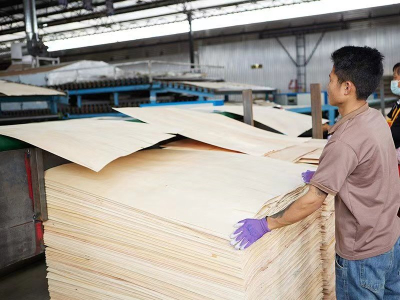
Shine Machinery also defines dried veneer quality in practical terms: uniform moisture content, a flat surface, absence of wrinkles or end ripples, no cracks, and excellent surface bonding condition. These quality outcomes are an integral part of the selection discussion, not an afterthought once capacity has been chosen.
A Practical Selection Checklist for Buyers
Before confirming a veneer dryer machine order, a plywood mill should prepare a detailed process profile rather than simply asking for a daily capacity number. The following checklist helps make the discussion more accurate and effective:
What are your typical and maximum veneer dimensions?
What thickness range will the dryer process most often?
What is the incoming moisture range, and what is your required final moisture?
Which wood species will be dried regularly?
Is your mill producing core veneer, face veneer, back veneer, or a mix of products?
What daily output is required under your normal production conditions?
How much plant space is available for heating, cooling, feeding, and collection systems?
Which heat source do you prefer: biomass, thermal oil, or another plant arrangement?
What level of feeding, receiving, and control automation do you require?
For buyers searching for a China veneer dryer manufacturer or China veneer dryer supplier, this type of process information transforms a capacity inquiry into a workable equipment configuration. Shine Machinery’s comprehensive product range, available at www.veneersdryer.com, offers buyers an excellent starting point for comparing model structures, heating lengths, working widths, and heat source options.
Capacity Becomes Meaningful Only After Process Matching
A veneer dryer machine must be selected as an integrated part of a production system, not based on a standalone capacity number. Shine Machinery’s published 4-deck examples clearly show that the same working width and deck count can yield different rated capacities when factors like heating length and overall configuration change.
For plywood mills, the most reliable approach is to first accurately document the real veneer portfolio: thickness, moisture, species, sheet size, quality targets, preferred heat source, and available layout. Once these essential details are clear, the dryer configuration can be perfectly matched to the process. This is how rated capacity evolves from a mere brochure figure into a practical, achievable production expectation.
FAQs
Does a higher deck count always mean proportionally higher real output?
No, a higher deck count is just one factor among many. Actual output also depends on crucial elements like heating length, veneer thickness, incoming moisture content, wood species, transport speed, the chosen heat source, and the final quality requirements.
What veneer thickness range is shown in Shine Machinery’s published dryer specifications?
Several of our Shine Machinery roller dryer configurations are designed for veneer thicknesses ranging from 0.8–8 mm. These models are engineered to dry fresh veneer to approximately 8–10% moisture content.
How much capacity can a Shine 4-deck veneer dryer machine provide?
For our 3.0 m working-width 4-deck examples, published capacities include 80–85 m³/day for the GTH30-28 model, 120 m³/day for the GTH30-38, and 140–150 m³/day for the GTH30-44.
Why does wood species affect veneer dryer selection?
Different wood species possess unique drying characteristics, meaning they can dry at varying rates and react differently to heat and airflow. Therefore, providing species information is crucial when discussing and configuring your veneer dryer to ensure optimal performance.
Where can buyers review Shine Machinery veneer dryer options?
Buyers are invited to visit our official website at www.veneersdryer.com to explore Shine Machinery’s diverse veneer dryer models, discover various heat source options, and review detailed product specifications.