
Small Plants Should Not Buy Dryer Capacity Too Early
For a small plywood plant, buying the biggest dryer right away is rarely the smartest move. Instead, begin by aligning your veneer dryer machine with actual orders, workshop space, veneer size, heat source, and cash flow. Shine Machinery's product range includes the Plywood Vertical Veneer Dryer, various Roller Veneer Dryer configurations, single-deck to six-deck categories, and capacity classes from 0.5 m³/h to 7.9 m³/h. This offers small factories a smart path: begin with a wood drying machine that fits, then scale up to higher-capacity equipment once production stabilizes.

Start With Real Production Instead of Maximum Output
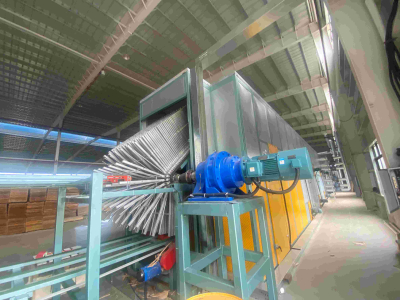
A veneer dryer machine removes moisture, preparing the material for more predictable gluing and pressing in later plywood processing. For a small mill, however, capacity is just one piece of the puzzle. A dryer that looks attractive for daily output may also require more workshop length, increased electrical capacity, a larger heating arrangement, and more feeding and collection space.
Before choosing a wood drying machine, buyers should define several basic inputs:
veneer species, thickness, width, and length;
incoming moisture and target final moisture;
required output per hour, per shift, or per day;
available workshop length, width, and height;
available heat source and electrical conditions;
feeding, discharge, and collection requirements;
expected production growth over the next few years.
These points help avoid a frequent error: comparing dryer models solely by a single capacity number. In practice, two machines with similar daily output can have different deck arrangements, heating lengths, power requirements, and layout needs.
Why a Vertical Option Deserves Early Evaluation
For small factories, a vertical veneer dryer deserves a look early in equipment planning because it might fit a different investment and layout strategy compared to a long continuous roller line. Shine Machinery lists a Plywood Vertical Veneer Dryer in its product range, allowing buyers to include it in the initial comparison when workshop space or a starting budget is tight.
Crucially, compare the specific model, not just the “vertical” label. A proper quotation should clarify footprint, capacity, veneer size range, installed power, actual operating consumption, heat source, feeding method, collection method, and maintenance access. That information helps a factory judge whether the vertical veneer dryer fits today’s production instead of forcing the factory into an oversized system too early.
This approach is especially helpful for plants growing in stages. A right-sized veneer dryer machine can support early production while leaving room for future equipment upgrades, additional feeding systems, or higher-capacity Roller Veneer Dryer lines.
When a Roller Veneer Dryer Becomes the Better Fit
A Roller Veneer Dryer becomes a better fit when your plant has steady orders, ample workshop space, and demands continuous production. Shine Machinery’s documented roller models illustrate how output, deck count, heating length, and electricity consumption change together.
| Model | Decks | Working width | Heating length | Documented capacity | Actual electricity consumption |
|---|---|---|---|---|---|
| GTH30-48 | 2 | 3 m | 44 m | 70–80 m³/24h | About 84 kWh/h |
| GTH30-28 | 4 | 3 m | 24 m | 80–85 m³/day | About 114 kWh/h |
| GTH30-38 | 4 | 3 m | 34 m | 120 m³/day | About 155 kWh/h |
These models are not interchangeable. The GTH30-48 is a two-deck roller veneer dryer with a 44 m heating area and 4 m cooling area. Its documented covered space is 50 m × 9 m × 3 m, with a total power of 119.5 kW and actual electricity consumption of about 84 kWh per hour.
The GTH30-38 uses four decks, a 34 m heating area, and a 4 m cooling area. It's documented at 120 m³/day, with overall dimensions of 49 m × 11 m × 3.5 m, a total power of 220.5 kW, and actual electricity consumption of about 155 kWh per hour. For a small plant, these figures highlight why buying a larger wood drying machine is also a building-layout and utility-planning decision.
More Decks Still Require Careful Layout Planning
While multi-deck systems can boost output with varying machine setups, careful layout planning remains essential. For instance, the GTH30-28 combines four decks, a 3 m working width, a 24 m heating area, and a documented output of 80–85 m³/day. Its actual electricity consumption is about 114 kWh per hour.
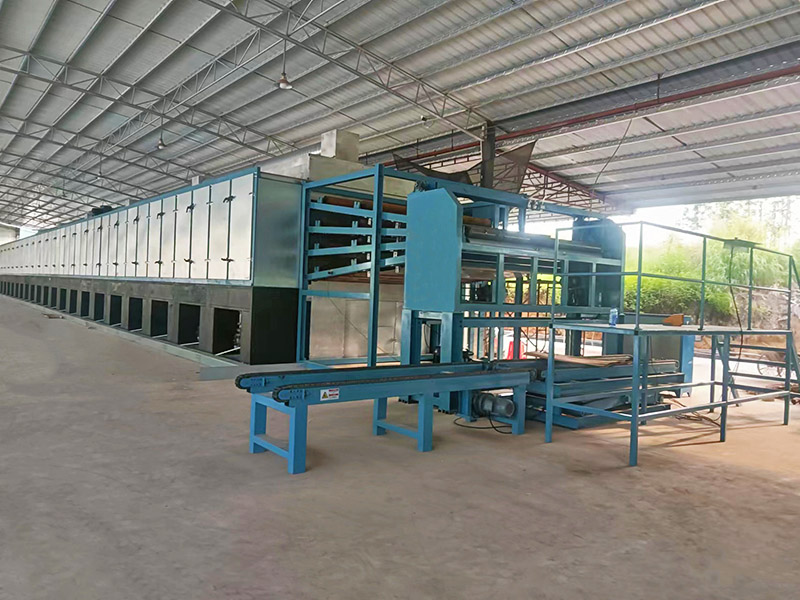
Compared with the GTH30-48, the GTH30-28 uses more decks and a shorter heating section, while the GTH30-48 uses two decks and a longer heating section. The better choice depends on the factory’s veneer specification, target output, available space, heat source, and operating schedule.
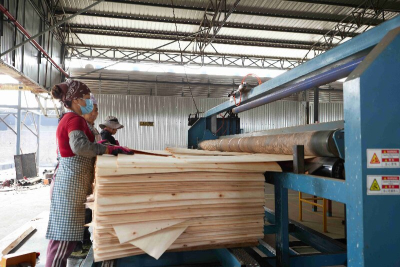
A practical floor plan should reserve space for the dryer body, feeding area, discharge area, operator movement, maintenance access, and material handling. Shine roller veneer dryers can also be configured with feeding and collection systems according to production requirements. That's why factory layout should be discussed before the veneer dryer machine is ordered, not after the machine arrives.
Plywood Veneer Drying Is a Quality Decision
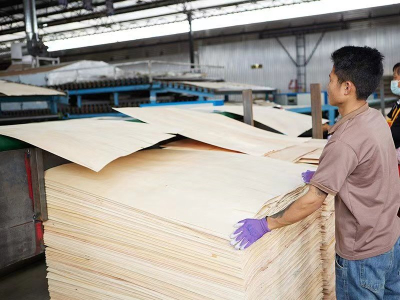
Daily output only matters if the dried veneer is actually good for plywood. Judge Plywood Veneer Drying by moisture consistency, veneer flatness, surface condition, and gluing readiness—not just by cubic meters per day.
Shine roller systems are documented with automatic temperature control and speed regulation. The GTH30-38, for example, handles veneer thickness from 0.8 mm to 8 mm and dries fresh veneer to about 8–10% moisture. Its drying temperature is adjustable, and the documented temperature control accuracy is ±5°C.
The roller drying process is designed to produce veneer with uniform moisture content and a flat surface, avoiding buckles or end waviness and leaving the veneer surface in good condition for gluing. Shine also describes staged heat exchange, where each section of the heat exchanger can use different specifications so hot air is distributed evenly to the veneer.
This means your purchasing specs should detail both output and the quality of the finished veneer. A small plant shouldn't aim for capacity that leads to inconsistent moisture, warped veneer, or increased rejections later on.
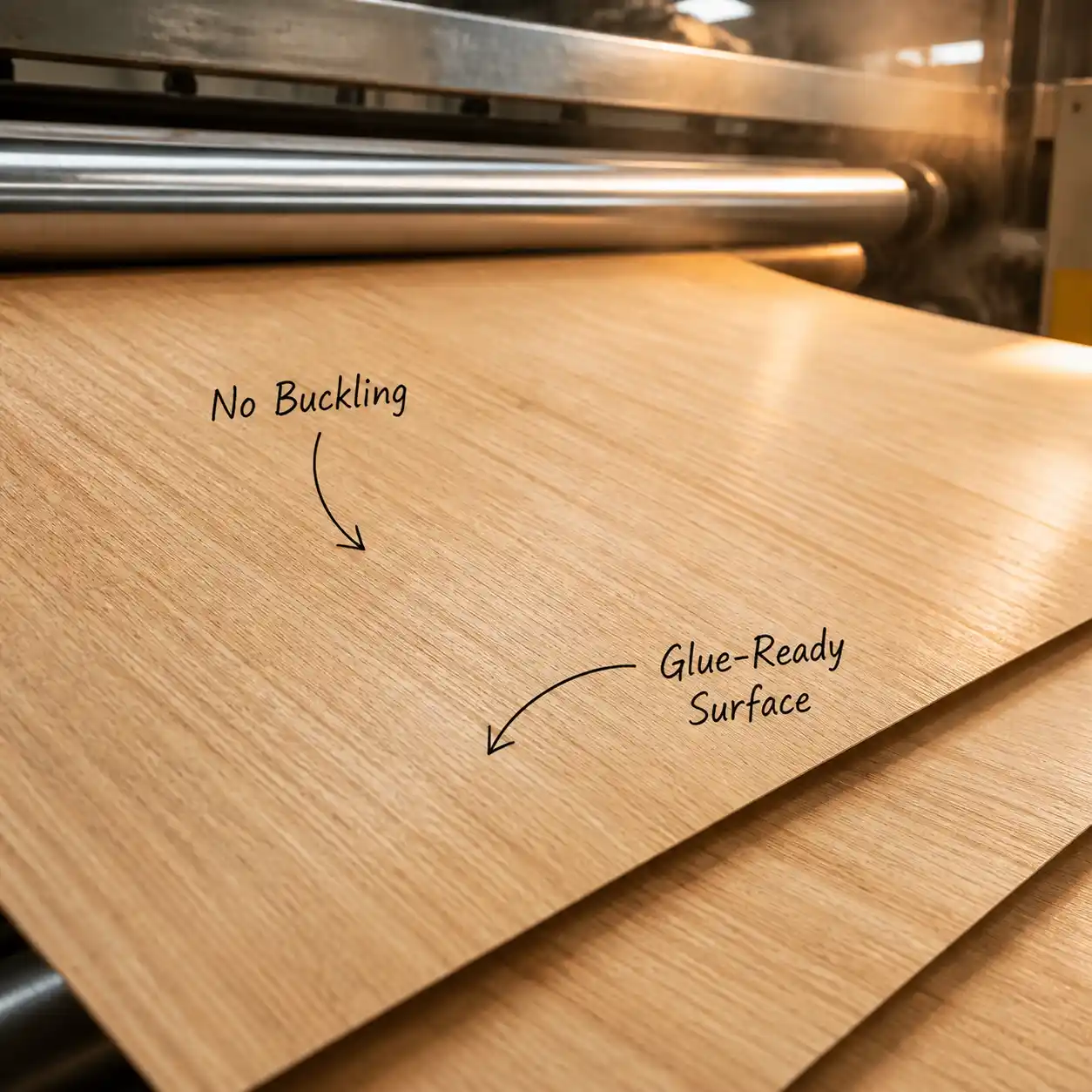
A quality-focused evaluation is especially important for smaller operations where reject rates can quickly erode margins. The right dryer should support consistent downstream gluing, pressing, and panel quality rather than simply increasing nominal throughput.
Heat Source and Electricity Should Be Calculated Separately
Drying costs aren't solely determined by motor power. Shine Machinery’s product range includes biomass veneer dryers, thermal-oil veneer dryers, steam-heated veneer dryers, and natural-gas-heated veneer dryer categories. Individual configurations identify the heating arrangement used for that machine.
Several roller systems are documented with waste wood as the heating material through a biomass burner. Shine also lists thermal-oil heating options; a Heat Thermal Oil Veneer Dryer uses heat-conducting oil as the heat carrier. Other core veneer drying equipment can be heated through steam boiler, thermal-oil heater, or biomass burner arrangements.
Installed power and actual electricity consumption should also be separated during cost calculation. The GTH30-48 lists total power of 119.5 kW and actual electricity consumption of about 84 kWh per hour. The GTH30-38 lists total power of 220.5 kW and actual electricity consumption of about 155 kWh per hour. Both figures are important, but for different reasons: installed power impacts your electrical setup, while hourly consumption influences operating cost projections.
A Practical Upgrade Path for Small Plywood Plants
A small plywood plant doesn't have to build its first dryer for future production levels. A smarter approach is to nail down today's required output, workshop dimensions, veneer specifications, heat source, and operating schedule, then select a matching veneer dryer machine.
As orders become more stable, the plant can evaluate a larger Roller Veneer Dryer against additional floor area, electrical capacity, heat-source capacity, feeding equipment, and collection needs. This phased strategy also sharpens communication with suppliers. Instead of asking whether a vertical veneer dryer or roller dryer is universally better, buyers can ask: Which machine fits today’s output? What workshop arrangement does it require? What final moisture is needed? Which heat source is practical? At what production level does a larger roller line become economical?
For international buyers assessing a China veneer dryer manufacturer or supplier, specific model data is far more valuable than general marketing claims. The ideal wood drying machine fits your plant's current production while providing a clear path for growth.
Conclusion
Small factories ought to steer clear of over-investing in drying capacity before their production is truly ready. A vertical veneer dryer can be included in early-stage planning when space and budget need careful control, while a Roller Veneer Dryer becomes more attractive when stable orders justify continuous higher output.
Shandong Shine Machinery Co., Ltd, also known as Shine Machinery, offers a diverse product line at www.veneersdryer.com, including vertical, roller, multi-deck, biomass, thermal-oil, steam-heated, and natural-gas-heated veneer dryer categories. Buyers can consult our published product pages and model specifications to compare capacity, layout, power, heat source, and Plywood Veneer Drying quality before deciding.
FAQs
Is a vertical veneer dryer always better for a small plywood plant?
No. It should be evaluated by model-specific footprint, capacity, power requirements, heat source, and veneer specifications. It can be part of early-stage planning, but the final choice should match the factory’s real production conditions.
When should a factory consider a Roller Veneer Dryer?
A Roller Veneer Dryer becomes practical when orders are stable enough to justify continuous drying capacity and the workshop can support the required length, width, height, power, heat source, feeding area, and collection area.
What information should buyers prepare before requesting a quotation?
Prepare veneer species, thickness, width, length, incoming moisture, target final moisture, required output, operating hours, workshop dimensions, heat source, electrical conditions, and feeding or collection requirements.
Why is actual electricity consumption different from total power?
Total power reflects installed electrical capacity, while actual electricity consumption reflects approximate operating use per hour. Both should be reviewed when estimating infrastructure and production cost.
What final moisture is documented for Shine roller veneer dryers?
Several documented Shine roller configurations dry fresh veneer to about 8–10% moisture, depending on the model and operating conditions.
Which heating options are listed in Shine Machinery’s product range?
The product range includes biomass, thermal-oil, steam-heated, and natural-gas-heated veneer dryer categories. The selected heat source should be confirmed for the specific machine configuration.