
Installed Veneer Dryers Still Need Trained Operators
For any overseas plywood project, simply installing a veneer dryer machine shouldn't be mistaken for achieving stable production. True output begins once the equipment is assembled, thoroughly commissioned, fine-tuned with actual production materials, and then transferred to operators who fully grasp its daily controls. Shine Machinery structures its overseas service precisely in this practical sequence: installation and commissioning at the customer’s site, comprehensive operator training, continuous online support, and ongoing guidance until the equipment operates seamlessly.

Installation Is Only One Stage of a Veneer Drying System
A complete Veneer Drying System delivery plan should connect shipment, assembly, commissioning, trial operation, parameter adjustment, and operator handover. When these stages are separated, a factory may own an installed dryer but still struggle with uneven moisture, incorrect speed settings, or avoidable downtime during early production.
A practical delivery sequence usually includes:
Equipment arrival and site preparation review
Onsite assembly and installation inspection
Commissioning and no-load operation checks
Trial drying with real veneer material
Adjustment of temperature and transport speed
Operator training for daily production
Handover after normal operation is confirmed
This sequence is especially important for overseas buyers comparing a China veneer dryer manufacturer or China veneer dryer supplier. The critical inquiry isn't merely about machine shipment, but rather whether the supplier's service process genuinely supports the factory from initial startup right through routine operation.
Operators Need Training on Real Production Controls
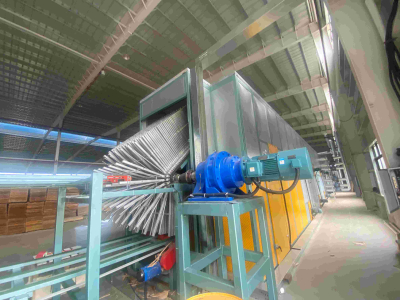
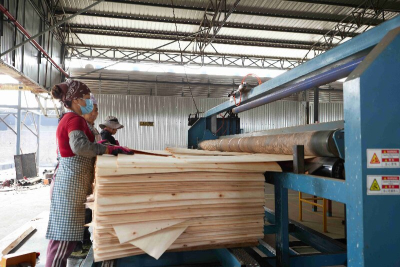
In plywood plants, frontline operators work directly with the settings that influence final moisture content and veneer quality. Shine's conveyor veneer dryer uses variable-frequency speed regulation, allowing feeding speed to be adjusted according to veneer thickness and moisture content. The control cabinet also includes automatic temperature control and speed regulation systems for controlling final moisture.
For the referenced conveyor model, the dryer handles veneer thickness from 0.8 to 8 mm, with veneer transport speed adjustable from 5 to 22 m/min. These figures clearly illustrate why a solitary commissioning setting ought not to be regarded as a permanent recipe. Incoming veneer conditions can change by wood species, peeling quality, thickness, and moisture level. Operators, therefore, need to understand not just which button to press, but fundamentally why a setting is changed.

A good training handover for veneer dryer machine operation should cover safe startup and shutdown, temperature setting, conveyor speed adjustment, moisture-content control, routine inspection, and basic troubleshooting. Shine Machinery also describes after-sales service that includes technical training and regular maintenance support, which makes training part of the equipment lifecycle rather than a one-time explanation.
Stable Plywood Veneer Drying Depends on Parameter Discipline
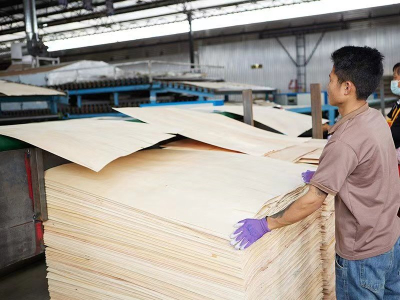
Consistent plywood veneer drying depends on disciplined operation. If operators do not understand the relationship between veneer thickness, initial moisture, dryer temperature, and transport speed, the machine may run, but production quality can remain unstable.
Shine's conveyor veneer dryer is designed with a heat-exchange system to improve energy utilization. Its product information also states that axial-flow fans reduce whole-machine power by 38%. For one listed configuration, total installed power is 119.5 kW, while actual electricity consumption is about 84 kWh per hour. These values apply to the specified model and configuration, but they underscore a broader operational principle: energy-saving design works best when operators use the system correctly.

For factories evaluating a Low Cost Veneer Dryer, the purchase price is only one part of total cost. Daily operating practice—especially temperature control, feeding speed, inspection routines, and moisture management—has a direct influence on whether the dryer continues to support cost-conscious production.
Vertical Veneer Dryer Projects Make Handover More Critical
A Vertical Veneer Dryer has its own handover requirements because its layout differs from a conventional roller system. Shine's vertical veneer drying machine is composed of feeding, heating, cooling, and discharging areas. It is mainly used for core veneer, with use also described for partial surface and bottom-board applications.
Shine's vertical dryer information highlights low drying cost, with drying cost listed at less than $8/m³, and states that vertical plywood loading can increase veneer loading capacity by 30–80% compared with other dryers. The same product information also notes that the equipment needs to be assembled at the customer’s factory site, allowing installation according to the customer’s specific location requirements.
Because assembly happens in the customer’s own plant, handover should be treated as a natural continuation of installation. Operators can be trained on the exact arrangement they will use every day: feeding direction, loading practice, drying flow, cooling area, discharge handling, and the routine checks needed before production begins.
What Buyers Should Put Into the Delivery Plan
When buyers plan a new line for Drying Veneer, the delivery contract and project schedule should make operator readiness visible. A useful handover checklist includes confirmation that local staff can perform normal startup, select operating settings for different veneer conditions, monitor final moisture, complete daily inspection, and contact the supplier's support channel when needed.
Shandong Shine Machinery Co., Ltd describes overseas installation and commissioning services, operator training, 24/7 online support, and installation and debugging videos. For international buyers searching for a China top veneer dryer factory, these service items are practical indicators of whether the project support extends beyond machinery delivery.
The distinction between “installed” and “ready for production” is quite significant. Installed equipment has been placed and assembled. Production-ready equipment has been commissioned, tested with material, adjusted, explained to operators, and supported through early operation. For plywood factories, that distinction can determine how quickly a new dryer becomes part of reliable daily output.
FAQs
Does Shine Machinery provide overseas installation and operator training?
Yes. Shine Machinery states that its technicians travel to the customer’s site for overseas installation and commissioning, and that operator training is provided to support efficient and safe machine handling.
Why does a veneer dryer machine need adjustment after installation?
Veneer thickness and moisture content can vary. Shine's conveyor veneer dryer uses variable-frequency speed regulation, and feeding speed can be adjusted according to veneer thickness and moisture content to support the drying effect.
What should operator training include for plywood veneer drying?
Training should cover startup and shutdown, temperature adjustment, transport-speed setting, moisture-content control, routine inspection, maintenance awareness, and basic troubleshooting during daily production.
Why is onsite handover important for a Vertical Veneer Dryer?
Shine states that its vertical dryer needs to be assembled at the customer’s factory site. Onsite handover helps operators learn the installed system in the same production environment where they will run it.
Where can buyers review Shine Machinery veneer dryer options?
Buyers can visit www.veneersdryer.com to review veneer dryer products, service information, and project-related equipment options from Shine Machinery.