
Check Veneer Flatness Before Choosing Vertical Plywood Loading
When comparing veneer dryer machines, the vertical plywood method often catches a buyer's eye due to its ability to boost veneer loading capacity by 30–80%, as detailed in Shine Machinery's product information. However, this impressive figure shouldn't be the primary factor in a purchasing decision. A Vertical Veneer Dryer is specifically engineered for veneers that have low flatness requirements. So, the logical buying process is to first confirm the necessary veneer condition, then consider loading density, floor area, output, labor, and overall drying cost.

Why Flatness Comes Before Loading Capacity
A high-capacity Vertical Veneer Dryer can support efficient plywood veneer drying only when the drying method fits the veneer’s end use. Shine Machinery states that this dryer type can be used for veneers with low flatness requirements. That statement defines the correct application boundary.
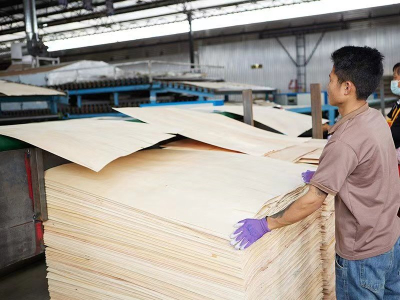
Consequently, the 30–80% increase in loading capacity should be seen as a conditional benefit, not a universal benchmark. If a factory requires dried veneer with strict flatness, the procurement team must verify if the vertical drying method aligns with their subsequent production processes. If the veneer is used for core plate, partial surface, bottom plate, or thick veneer where low flatness requirements are acceptable, the vertical plywood method becomes far more relevant.
This becomes particularly crucial when a buyer evaluates a Low Cost Veneer Dryer against alternative dryer designs. While reduced cost and increased loading density are certainly beneficial, they cannot override the fundamental requirement of suitability. Ultimately, the most effective Veneer Drying System is one that precisely matches the specific veneer type, desired moisture content, production output goals, available workshop footprint, and labor force.
Where a Vertical Veneer Dryer Fits Best
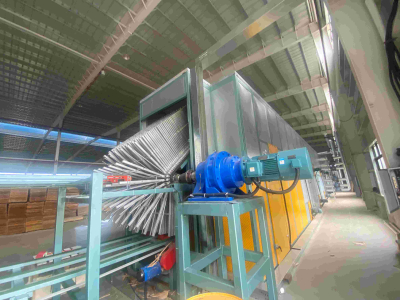
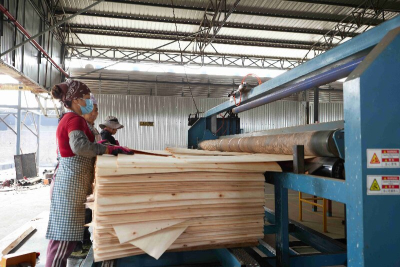
Shine Machinery describes its vertical tunnel-type core veneer dryer as mainly used for drying core plate, partial surface, and bottom plate. It is also suitable for the production process of cutting first and then drying, especially for thick veneers.
This positioning explains why vertical plywood veneer drying is often considered for core veneer applications. Core veneer processing usually values throughput, cost control, and space efficiency. When the required dried veneer condition aligns with low flatness requirements, the vertical structure can make sense as a compact and cost-focused option.
The equipment is organized into four main working areas:
| Process area | Role in the drying line |
|---|---|
| Feeding area | Veneer enters the drying system |
| Heating area | Hot air circulation supports drying |
| Cooling area | Veneer temperature is reduced after heating |
| Discharging area | Dried veneer exits the line |

Shine Machinery also highlights that its veneer drying machine employs a chain mechanism to transport veneer or finished boards into the drying chamber for continuous circulation drying. The dryer length can be determined according to the required output, and the equipment can be designed according to the customer’s project requirement.
The Impact of Three-Dimensional Loading
Once veneer flatness suitability is established, the primary appeal of a Vertical Veneer Dryer often shifts to its three-dimensional loading capability. Shine Machinery states that the vertical plywood method increases veneer loading capacity by 30–80% compared with other dryers referenced in its product pages.
The continuous core veneer drying machine is also described as covering a small area. In Shine Machinery’s product information, the equipment uses three-dimensional loading of veneer and occupies only about two-thirds of the floor area of the roller dryer.
These two factors address distinct factory limitations. Higher loading capacity supports output planning, while the smaller floor area helps mills with limited installation space. For facilities where both workshop layout and the volume of plywood veneer drying influence purchasing choices, considering these two metrics in tandem provides a more comprehensive perspective than isolating either one.
Low Cost Veneer Dryer Considerations
Cost-effectiveness is another compelling factor that draws buyers to vertical drying equipment. Shine Machinery states that the drying cost of this vertical dryer is less than USD 8/m³, which is 30–60% of the drying cost of other dryers referenced in its product information.
However, when considering a Low Cost Veneer Dryer, its cost must be evaluated in conjunction with the actual operational demands. Instead of asking, “Which dryer has the lowest advertised cost?” a more productive purchasing question would be, “Which configuration can effectively dry the intended veneer, fulfill output quotas, integrate into the workshop space, and maintain acceptable operating expenses?”
Two published configurations show why model selection matters:
| Model | Moisture content target | Output | Machine size | Total power | Labor |
|---|---|---|---|---|---|
| FBH30-20 | Fresh veneer to within 20% | 1.2–1.5 m³/h | 20 × 7 × 4 m | 36.3 kW | 3 workers |
| FBH30-13 | Fresh veneer dried to 0–5% | 2 m³/h | 13 × 3 × 4 m | 15 kW | Not listed in this table |
Shine Machinery also states that one vertical veneer drying machine configuration requires 2 workers per shift, and the heat source is a 900,000 kcal hot air stove. These specifics underscore the importance for buyers to confirm the precise configuration rather than extrapolating one model's specifications to every unique project.
Essential Selection Checklist
Before choosing a veneer dryer machine for Drying Veneer, procurement teams can use the following sequence:
Confirm flatness tolerance. Is the veneer suitable for the low-flatness-requirement positioning of a vertical dryer?
Check veneer application. Is the product core plate, partial surface, bottom plate, or thick veneer?
Define process sequence. Is the factory using a cut-first-then-dry process?
Set output expectations. What hourly output is needed, and what dryer length is suitable?
Review workshop space. Would three-dimensional loading help reduce floor-area pressure?
Compare operating cost. Does the stated drying cost below USD 8/m³ fit the project target?
Confirm labor arrangement. Which model and shift plan match the factory’s staffing needs?
Plan site assembly. Shine Machinery states that this equipment needs to be assembled at the customer’s factory site and can be installed according to location requirements.
This checklist ensures the decision-making process remains grounded and practical. The vertical plywood method is not simply about loading more veneer; it is about matching the drying structure to the correct veneer and production process.
Final Buying Perspective
The core takeaway is straightforward: prioritize veneer flatness over capacity.
For core plate, partial surface, bottom plate, and especially thick veneer in a cut-first-then-dry process, Shine Machinery’s vertical configuration brings together three-dimensional loading, compact floor-area use, hot air circulation, countercurrent drying, and a stated drying cost below USD 8/m³. These benefits are most pronounced when the veneer’s flatness requirements are less stringent.
Buyers searching for a China veneer dryer manufacturer, China veneer dryer supplier, or China top veneer dryer factory can review Shine Machinery’s vertical plywood veneer drying equipment and related configurations at www.veneersdryer.com. For the appropriate veneer application, a Vertical Veneer Dryer proves to be a practical Veneer Drying System choice—but always prioritize confirming flatness suitability before using loading capacity as the sole justification for investment.
FAQs
Why should veneer flatness be checked first?
Shine Machinery states that the vertical dryer can be used for veneers with low flatness requirements. Buyers should therefore confirm whether the dried veneer condition is suitable before focusing on loading capacity.
How much can vertical plywood loading increase capacity?
Shine Machinery states that the vertical plywood method increases veneer loading capacity by 30–80% compared with other dryers referenced in its product pages.
Which veneer applications are suitable?
The vertical tunnel-type core veneer dryer is mainly used for core plate, partial surface, and bottom plate. It is also suitable for cutting first and then drying, especially for thick veneers.
What are the main sections of the vertical dryer?
The vertical veneer drying machine is composed of four parts: Feeding area, Heating area, Cooling area, and Discharging area.
What drying cost is stated for this equipment?
Shine Machinery states that the drying cost of this vertical dryer is less than USD 8/m³, described as 30–60% of the drying cost of other dryers referenced in its product information.
Does the machine require site installation?
Yes. Shine Machinery states that the equipment needs to be assembled at the customer’s factory site and can be installed according to the customer’s specific location requirements.