
Check 65 kWh Before Trusting 60 m³ Dryer Output
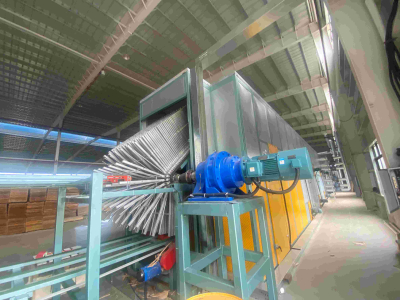
For a plywood mill evaluating a medium-capacity veneer dryer, the most important quotation detail isn't just one attractive number. It's about ensuring that daily output, hourly electricity use, veneer condition, heat source, and operating hours all describe a consistent and integrated Veneer Drying System. Shine Machinery's Low Cost Veneer Dryer Machine is listed with a 50–60 m³/day drying capacity, a 3 m working width, a 0.8–8 mm veneer thickness range, a 32 m heating area length, and a biomass burner heat source. If a quotation also mentions 65 kWh per hour, that figure should always be thoroughly checked against the exact machine configuration before making a purchase.

Why 50–60 m³ per Day and 65 kWh per Hour Matter Together
In plywood veneer drying, capacity and electricity consumption are often discussed in tandem, but they measure distinct aspects of performance. Capacity is typically expressed as cubic meters per hour (m³/h) or per day (m³/day), indicating the volume of veneer processed. Installed power is measured in kilowatts (kW), representing the maximum electrical demand, while actual electricity consumed during operation is expressed in kilowatt-hours (kWh). Mixing or misinterpreting these units can make a veneer dryer machine appear either cheaper or more productive than it truly will be under realistic factory conditions. Understanding the relationship between these figures is crucial for an accurate assessment of operational efficiency and cost.
For the Low Cost Veneer Dryer Machine, the published reference points are clear: it's a roller veneer dryer, featuring a 3 m working width, suitable for 0.8–8 mm veneer thickness, with a 32 m heating area length, a 50–60 m³/day drying capacity, and a biomass burner for heating (with other heat-source options available). Therefore, a 65 kWh/hour quotation line should be treated as a specific operating figure tied to a particular configuration, not as a number that automatically follows from daily capacity alone. It's vital to confirm which operational parameters correspond to this energy consumption.

The Production Basis Behind a Veneer Dryer Machine Quote
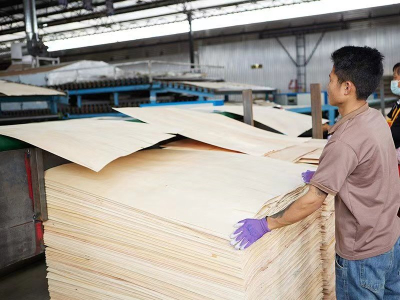
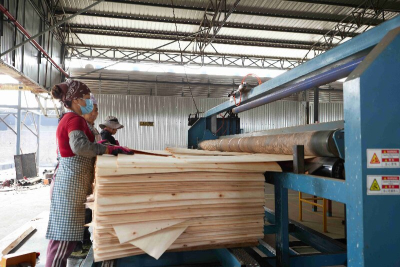
Before diving into price comparisons, buyers should meticulously define the production basis in practical terms. This includes specifying the veneer species, target veneer thickness, initial incoming moisture content, desired final moisture level, typical working hours per day, the preferred heat source, and the overall line arrangement. Without these critical details, the same stated plywood veneer drying capacity can represent vastly different operating conditions and, consequently, varying performance and costs. A clear understanding ensures that the proposed solution truly aligns with specific production needs.
Shine Machinery's product data illustrates this point well. For example, a two-deck, 32 m roller veneer dryer is specified with a 1.6 m³/h drying capacity. In contrast, a 40 m two-deck biomass drying machine boasts a 2.5 m³/h drying capacity. Furthermore, a 48 m Veneer Drying Machine is rated at approximately 70 m³/day, handling a 0.6–8 mm veneer thickness range and utilizing a biomass burner heat source. While these examples serve as valuable benchmarks, it's crucial to remember that each figure is intrinsically linked to its specific Veneer Drying System design and operational parameters.
Separating Installed Power from Actual Electricity Use
A truly reliable quotation will always clearly differentiate between the total installed power and the anticipated electricity consumption per operating hour. Consider Shine Machinery’s GTH30-20 core veneer drying machine as a pertinent example. This model is a four-deck roller dryer, featuring a 3.0 m working width, a 16 m heating area length, a 4 m cooling area length, and a 0.6–8 mm veneer thickness range, achieving a 2.5 m³/h drying capacity. Its published product parameters specify a total installed power of 145.5 kW, yet the actual electricity consumption is listed at approximately 100 kWh per hour.
The main takeaway here isn't to simply apply the GTH30-20 figures to another model. Instead, this example highlights why any quotation for a medium-sized veneer dryer machine should itemize two separate figures: one for the total installed kilowatts (kW) and another for the estimated kilowatt-hours (kWh) consumed per operating hour. If the quoted electricity consumption is, say, 65 kWh/hour, the buyer should proactively inquire about the specific configuration of motors, fans, burner equipment, deck arrangement, working width, and the daily production schedule that underpins this particular energy estimate. This transparency helps in understanding the true operating expenses.
How Biomass Heating Influences the Cost Calculation
When drying veneer with a biomass heat source, electricity accounts for only one segment of the overall operating cost. Shine Machinery offers biomass burner systems specifically designed to use bark and other tree waste as fuel for veneer drying lines, presenting a significant opportunity for cost savings. Several of Shine's biomass roller dryer product pages indicate a composite drying cost of roughly USD 6–12 per cubic meter. This comprehensive cost includes examples such as the 32 m two-deck roller veneer dryer, the 40 m two-deck biomass drying machine, and the 48 m Veneer Drying Machine.
It is imperative that this cost range remains tethered to the specific configuration being quoted. A thorough review of the complete Veneer Drying System cost should encompass electricity, biomass fuel consumption, labor expenses, expected daily output, the precise moisture reduction target, veneer thickness, and the required drying quality. In procurement discussions, the pivotal question isn't merely whether one veneer dryer machine claims a lower hourly kWh figure. A more robust inquiry focuses on what cubic-meter output and final veneer condition are reliably achieved for that specific electricity and fuel consumption, providing a holistic view of value.
Roller and Vertical Veneer Dryer Data Should Not Be Mixed
A Vertical Veneer Dryer is designed for a fundamentally different production layout compared to a roller veneer dryer. Shine Machinery details its vertical core veneer dryer as employing a three-dimensional veneer loading system, which allows it to occupy approximately two-thirds of the footprint required by a traditional roller dryer. The product pages for vertical dryers also typically highlight a lower drying cost, often stated as below USD 8/m³.
Again, model-specific figures are paramount. For instance, the FBH30-13 vertical model is specified with a 2 m³/h output, capable of drying fresh veneer to 0–5% moisture, with machine dimensions of 13 × 3 × 4 m, a total installed power of 15 kW, and a fuel consumption of 200 kg/h. Another model, the FBH30-20 vertical plywood veneer dryer, is listed with a 1.2–1.5 m³/h capacity, drying fresh veneer to within 20% moisture, an overall size of 20 × 7 × 4 m, a total power of 36.3 kW, and requiring three workers. These figures must remain explicitly linked to their respective Vertical Veneer Dryer models and should never be indiscriminately applied or transferred to a 50–60 m³/day roller dryer line, as their operational principles and efficiencies are distinct.

A Practical Quotation Checklist for Medium Lines
Before finalizing a medium plywood veneer drying project, buyers can use the following comprehensive checklist when discussing equipment with Shandong Shine Machinery Co., Ltd or when comparing offerings from any China veneer dryer manufacturer, China veneer dryer supplier, or a top veneer dryer factory in China. This ensures all critical aspects are covered for a robust decision.
| Quotation item | What to Confirm Before Signing |
|---|---|
| Exact Model | Roller or vertical type, specific deck arrangement, and overall heating length |
| Daily Capacity | Whether the 50–60 m³/day figure accurately applies to the quoted Low Cost model |
| Working Width | Confirm 3 m where the referenced Low Cost Veneer Dryer is being quoted |
| Veneer Range | Specific wood species, target thickness, and initial sheet condition before drying |
| Moisture Target | Clearly define both the incoming moisture content and the required final moisture level |
| Electricity | Expected actual kWh per operating hour, such as 65 kWh/hour if quoted, with supporting data |
| Installed Load | Total installed kW stated separately from the actual operational electricity use |
| Heat Source | Verify if it’s a biomass burner or another quoted heating option |
| Operating Schedule | The specific working hours per day used to calculate the m³/day output |
| Cost Basis | Detailed assumptions for electricity, fuel, labor, and moisture reduction in the cost calculation |
A meticulously prepared quotation will keep each of these items transparent and visible. This empowers the buyer to accurately judge whether the stated veneer dryer machine capacity and the estimated operating cost are built upon the same, consistent assumptions.
Final Buying Point
For medium-capacity plywood veneer drying, figures like 50–60 m³/day and 65 kWh/hour should never be assessed as isolated metrics. The capacity quantifies the output volume, while the kWh figure represents the operational energy consumption. The heat source, initial veneer condition, target moisture level, and daily working schedule all serve to connect these crucial elements into a coherent whole, enabling a truly informed investment.
Shine Machinery’s Low Cost Veneer Dryer provides buyers with a concrete and reliable reference point for a 50–60 m³/day roller machine, complete with a 3 m working width, a 0.8–8 mm veneer thickness range, a 32 m heating area length, and a biomass burner heat source. When your quotation is constructed around this same clear and consistent basis, buyers can compare output, power requirements, and overall drying costs with significantly greater confidence. More product specifications and detailed information are available on our website.
FAQs
Is 65 kWh/hour the same as total installed power?
No, these are distinct metrics. kWh/hour describes the expected electricity consumed during the machine's operation over an hour, while kW (kilowatts) describes the total installed electrical power capacity of the equipment. A comprehensive quotation should always list both figures separately for clarity.
What is the published capacity of Shine Machinery’s Low Cost Veneer Dryer?
The Low Cost Veneer Dryer Machine from Shine Machinery is specified with a drying capacity of 50–60 m³/day, a 3 m working width, a veneer thickness range of 0.8–8 mm, a 32 m heating area length, and it uses a biomass burner as its primary heat source.
Why does veneer thickness affect quotation comparison?
Veneer thickness significantly impacts the drying process. Thicker veneer, different wood species, and varying moisture targets all influence the required drying speed and, consequently, the machine's overall output. Therefore, the stated capacity in any quotation should always be directly tied to the specific veneer condition and thickness assumed in that quote.
When should a Vertical Veneer Dryer be considered?
A Vertical Veneer Dryer is a viable option when a production facility benefits from its vertical loading structure, which typically results in a reduced equipment footprint. It should be considered if the listed cost basis and operational characteristics of vertical dryers align with the mill’s specific production process and space constraints.
What should buyers ask before confirming a 50–60 m³/day line?
Before confirming a 50–60 m³/day line, buyers should inquire about the exact model type (roller or vertical), working width, the specific veneer thickness and moisture basis, expected operating hours, total installed power, actual kWh per hour consumption, the heat source used, estimated fuel consumption, labor requirements, and the detailed calculation basis for the overall operating cost.