
Put Your Veneer Dryer Layout on Paper First
In small plywood workshops, a 10×3×4 m area marked on the factory drawing often serves as an initial reference. However, it's crucial to understand this isn't a final machine specification. For optimal plywood veneer drying, making the right choice truly begins with the plant layout. Factors like capacity, veneer condition, target moisture, available labor, and operating clearance then guide the selection process. The FBH30-13 Vertical Veneer Dryer, for instance, is listed at 13×3×4 m by Shine Machinery. This means a 10 m space should be seen as a design constraint requiring project-specific confirmation, rather than a readily available dryer size.

Start With the Factory Drawing
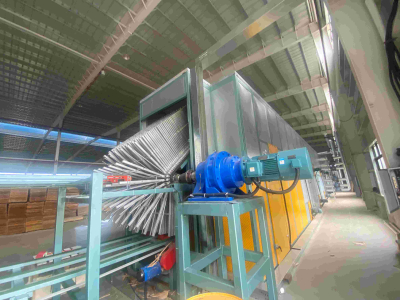
A Vertical Veneer Drying Machine is much more than just a piece of equipment occupying floor space. Shine Machinery, for example, conceptualizes the vertical system as a continuous process, segmented into distinct feeding, heating, cooling, and discharging areas. Crucially, these sections need to integrate seamlessly with peeling, stacking, handling, and subsequent plywood production stages.
That's precisely why a compact Veneer Drying System warrants careful placement on the factory drawing before any purchase decision is finalized. This reserved area must accurately depict the actual installation spot, along with passageways, material flow, and the precise direction of feeding and discharge. If your workshop has only 10 m of available length, the equipment supplier will need your detailed drawing and production target to confirm if a project-specific configuration is indeed workable.
Compare Dimensions With Output Requirements
Two Shine Machinery vertical dryer configurations highlight why dimensions alone cannot determine the optimal solution.
| Model | Overall Size | Capacity | Moisture Result | Total Power | Labor |
|---|---|---|---|---|---|
| FBH30-13 | 13×3×4 m | 2 m³/h | Fresh veneer to 0–5% | 15 kW | — |
| FBH30-20 | 20×7×4 m | 1.2–1.5 m³/h | Fresh veneer to within 20% | 36.3 kW | 3 workers |
This comparison makes a crucial point: a longer or wider machine doesn't automatically translate to higher hourly output. This is largely due to variations in drying targets and overall configurations. For plywood veneer drying, buyers should first clearly define key parameters: veneer thickness, initial moisture content, target moisture, and the required hourly or daily output. Only once these points are crystal clear does the equipment's physical size truly become meaningful.
The FBH30-13 serves as a valuable reference for smaller projects, particularly with its published width and height of 3 m and 4 m respectively. However, its published length is 13 m, not the 10 m you might have reserved. For a 10×3×4 m zone, the essential planning step involves submitting your plant drawing and production requirements for layout confirmation.
Why Vertical Loading Helps Small Workshops
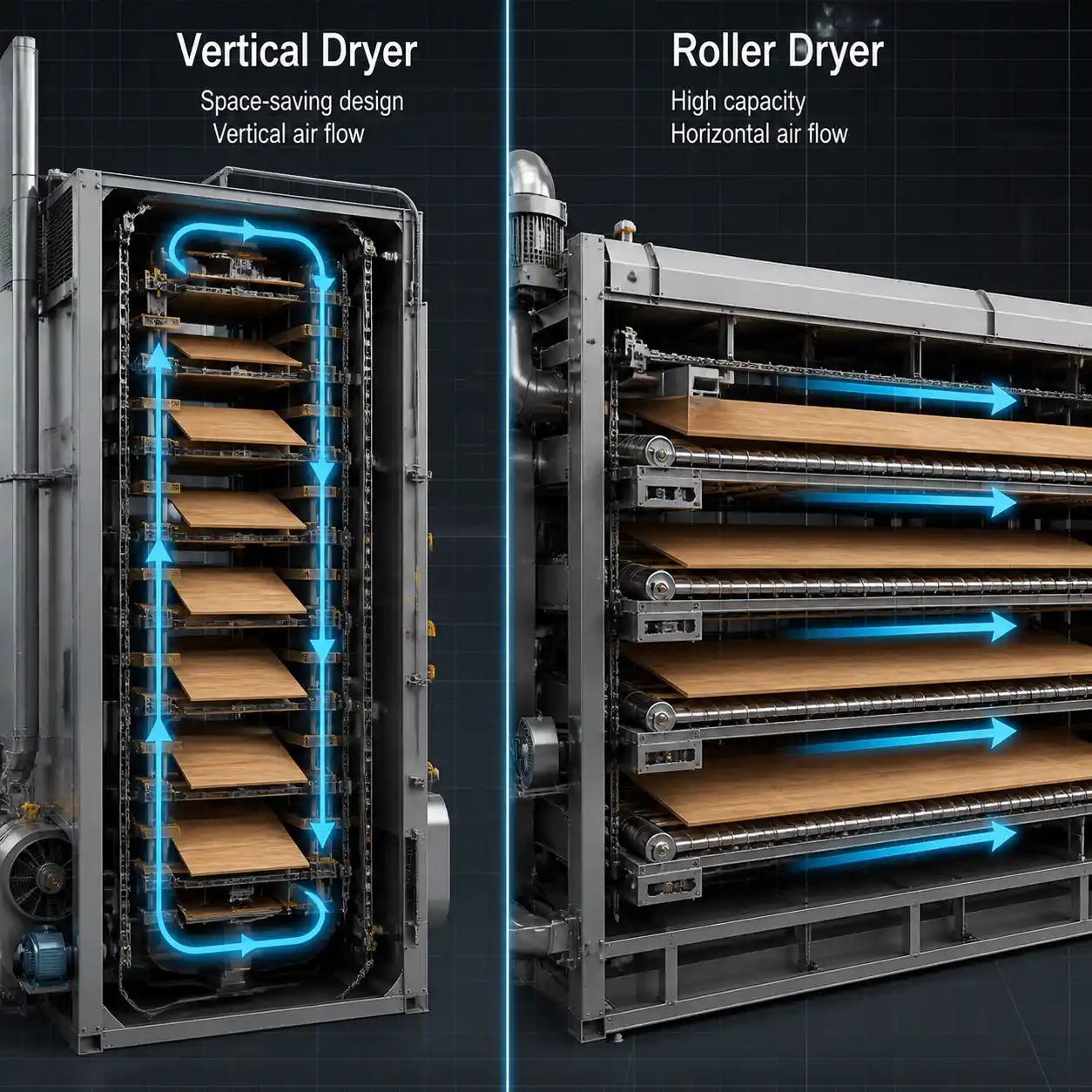
The primary space advantage of a Vertical Veneer Dryer stems from its unique veneer loading mechanism. Shine Machinery highlights that the vertical plywood method boosts veneer loading capacity by an impressive 30–80% when compared to other dryer types. Moreover, its vertical core veneer dryer incorporates three-dimensional loading, effectively occupying roughly two-thirds the area of a traditional roller dryer.
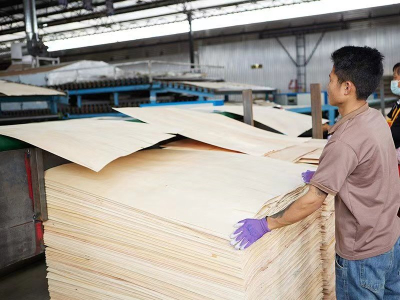
This design makes the vertical structure particularly relevant for workshops with constrained usable floor area. It's often associated with drying core veneer, partial surface and bottom veneer, thick veneer, and for production processes where the cutting stage precedes drying. Additionally, Shine Machinery notes that this dryer type is suitable for veneers with less stringent flatness requirements.
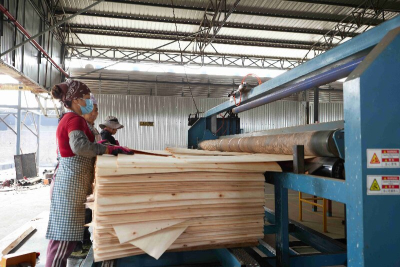
Even so, a space-saving structure doesn't negate the need for adequate operating room. While a small footprint is beneficial, the ultimate veneer drying system still needs to ensure workers and materials can move safely and efficiently.
Cost Should Be Matched With Veneer Quality
Evaluating a Low Cost Veneer Dryer requires looking beyond just the purchase price or machine length. Shine Machinery proudly states that the drying cost of its vertical dryer can be less than USD 8/m³. The company also attributes lower machine costs to its standardized and modular production of vertical dryer components.
Our vertical core veneer dryer incorporates a high-efficiency, energy-saving heat-source system. Shine Machinery also highlights the integration of waste-heat reheating technology to significantly improve thermal utilization. These features are particularly vital for smaller workshops that require consistent output while simultaneously managing drying costs effectively.
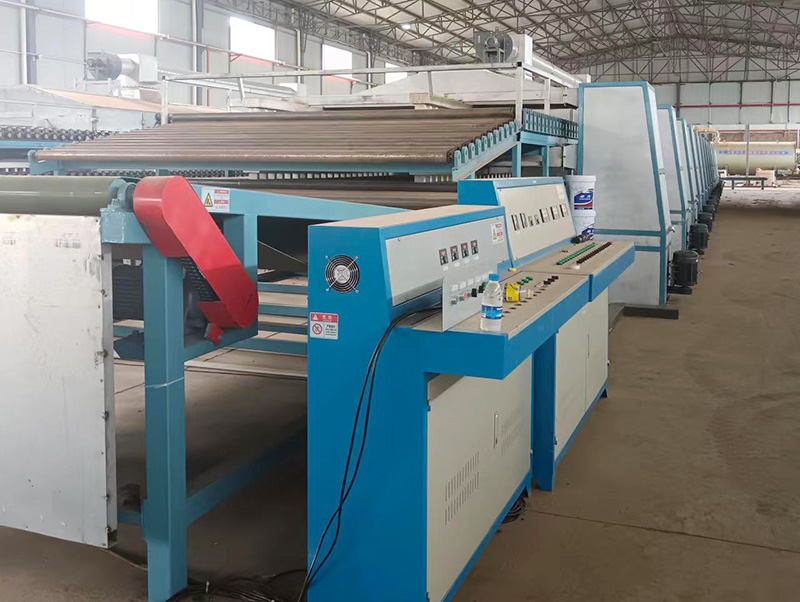
However, it's equally important to consider specific drying quality requirements. Our roller core veneer dryer machines, for instance, are known for producing veneer with uniform moisture content, a consistently flat surface, and entirely free from buckle or end waviness. For biomass roller veneer drying equipment, Shine Machinery indicates a composite veneer drying cost typically ranging from USD 6–12/m³. Consequently, roller systems are often the preferred choice when achieving smooth, flat veneer with uniform moisture is a higher priority than minimizing the physical footprint.
What Buyers Should Confirm Before Selection
Before finalizing your veneer dryer machine selection, a comprehensive inquiry should extend beyond merely the desired external size. We recommend buyers prepare the following details:
Available length, width, and height of the proposed installation area.
Desired hourly or daily output volume.
Specific veneer thickness and sheet dimensions.
Initial and target moisture content levels.
Exact drying results needed, particularly regarding flatness and surface condition.
Preferred feeding, discharging, and handling methods.
Anticipated shift arrangements and worker allocation.
Labor requirements also need verification based on the specific configuration. For example, one of our vertical drying product pages indicates 2 workers per shift, whereas the FBH30-20 specification lists 3 workers, with the burner operator potentially handling other tasks like forklift operation concurrently. This clearly means that labor planning should align directly with the actual system design, not rely on a single, general assumption.
Vertical or Roller Which Fits Better
A vertical veneer dryer presents a compelling option when your project prioritizes efficient installation, core veneer drying, processing thick veneer, or when flatness requirements are less critical. Its inherent three-dimensional loading and smaller footprint can significantly help a small workshop maximize its limited space.
Conversely, a roller dryer is certainly worth evaluating when the primary goal is consistently flat, smooth veneer with uniform moisture content. Our Shine roller veneer dryer products offer flexible configurations with various deck arrangements to suit diverse production requirements. Some roller systems, for instance, are specifically designed for veneer thickness ranges of 0.8–8 mm.
Ultimately, the best choice isn't merely the shortest machine or the lowest quoted price. For effective Veneer Drying, the optimal decision involves a system where capacity, moisture target, drying result, labor requirements, and layout all harmoniously integrate. When buyers are evaluating a China veneer dryer manufacturer or supplier, the most productive discussions always start with a detailed plant drawing and precise production data.
From 10×3×4 m to a Workable System
For any small workshop, that reserved 10×3×4 m zone should be precisely marked on the factory drawing well before any equipment selection takes place. The drawing then becomes indispensable for evaluating whether your required output and moisture target can realistically be achieved given the site conditions.
Shandong Shine Machinery Co., Ltd offers a range of vertical and roller veneer dryer machine options, which can be explored on www.veneersdryer.com. For a compact plywood veneer drying project, the published 13×3×4 m FBH30-13 should ideally serve as a reference configuration. Any layout shorter than this, however, absolutely requires confirmation via project-specific design.
FAQs
Can the FBH30-13 fit exactly into a 10×3×4 m space?
No. The published FBH30-13 size is 13×3×4 m. A 10×3×4 m space should be treated as a layout constraint for design discussion.
What are the main sections of a vertical veneer dryer?
Shine Machinery describes the vertical veneer drying machine as consisting of feeding, heating, cooling and discharging areas.
What drying cost is listed for Shine vertical dryers?
Shine Machinery states that the drying cost of its vertical dryer is less than USD 8/m³.
When is a roller veneer dryer more suitable?
A roller veneer dryer is more suitable when the project requires uniform moisture, flat veneer, no buckle and no end waviness.
What information should buyers provide before ordering?
Buyers should provide installation dimensions, required output, veneer thickness, initial moisture, target moisture and desired drying effect.