
Size Automatic Plate Feeding by the Shift Bottleneck
When manual plate loading is uneven, a dryer with strong rated capacity can still fall short of its target output for a full shift. In plywood production, feeding, drying, and collection function as a single continuous flow. The real question isn't just how fast an automatic feeder can operate, but whether the entire line can sustain that pace throughout actual net operating hours.

Why Manual Feeding Often Becomes the Hidden Limit
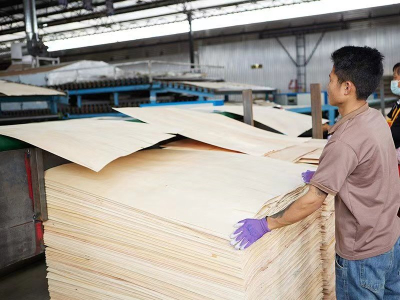
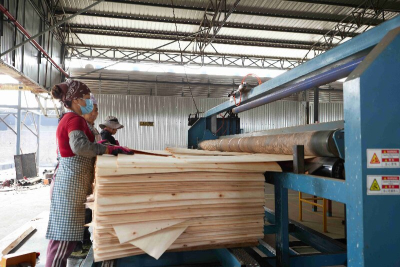
A production bottleneck is the stage that ultimately limits the sustainable output of an entire line. In a Veneer Drying System, this critical stage might be the infeed table, the dryer chamber itself, the discharge area, or even the collection system. When workers load veneer sheets by hand, even brief interruptions can significantly reduce the occupied drying area, leaving valuable machine capacity idle and underutilized.
Industry studies frequently highlight veneer drying as a particularly demanding process stage, especially when equipment, material handling, or workflow is inconsistent. For plant managers, the most useful metric is not merely scheduled shift length, but net operating time: the actual period dedicated to production after accounting for stops, waiting times, changeovers, and material interruptions.
A straightforward planning relationship to consider is:
Shift Output = Bottleneck Production Rate × Net Operating Hours
This formula, while simple, serves as a crucial reminder: automatic plate feeding must be sized around the slowest sustainable stage of production, not merely a peak mechanical speed that the rest of the line cannot absorb. Over-specifying a feeder without considering the entire system can simply shift the bottleneck elsewhere, offering no real gain.
Using Dryer Specifications as Your Starting Point
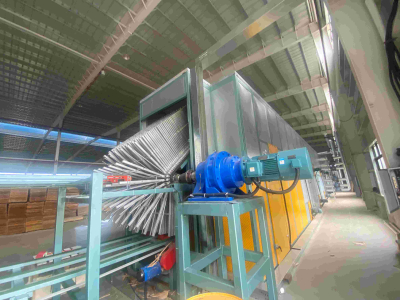
Shine Machinery’s GTH30-36 Veneer Dryer Machine offers a valuable reference point for capacity planning. This particular model is documented as a four-deck roller dryer featuring a 3.0 m working width, a 32 m heating area, a 4 m cooling area, and an impressive 110 m³/day drying capacity. Its veneer transport speed is adjustable from 5–22 m/min, and it's designed to handle veneer thicknesses ranging from 0.8–8 mm.
These figures clarify why feeding speed should never be selected in isolation. A 22 m/min transport setting, for instance, doesn't automatically mean the feeder should be sized solely for that maximum speed. Actual throughput fundamentally depends on various factors: veneer dimensions, thickness, incoming moisture content, target moisture levels, the stability of the loading process, and the discharge side’s ability to maintain pace.
Before specifying automatic plate feeding, a mill should meticulously record data from several full shifts and compare three key rates on a consistent basis:
Actual infeed rate during both stable and unstable operational periods.
The sustainable drying rate of the selected dryer configuration.
The discharge and collection rate post-drying.
The lowest of these three values will always dictate the practical shift output, making it the true determinant of production capacity.
How to Size Automatic Plate Feeding for Real Shift Conditions
For plywood veneer drying, the automatic infeed target needs to be high enough to ensure the dryer never waits for material, yet not so excessive that it simply transfers the bottleneck to the outfeed side. Shine’s plywood core dryer documentation highlights the integration of automatic veneer infeeding and outfeeding, coupled with automatic electric control and frequency conversion. This allows both transmission speed and temperature to be adjusted automatically based on veneer thickness and moisture content, ensuring an optimal drying effect.
A practical sizing process can be broken down into five essential steps:
Define the Target Output Per Shift: Focus on the required cubic meters per shift, rather than relying solely on a daily nameplate figure. This provides a more accurate operational goal.
Confirm Net Operating Time: Accurately deduct real waiting periods, material handling delays, and any other planned non-production time. Only actual production time contributes to output.
Measure Manual Loading Rhythm: Record inconsistencies such as interruptions, uneven feeding intervals, and periods when the dryer is idle, waiting for incoming veneer. This reveals hidden inefficiencies.
Check Discharge Capacity: Automatic feeding only adds value if the collection system can effectively keep pace with the increased flow. A slow outfeed can negate any infeed advantages.
Coordinate Controls: Ensure that the feeder, dryer speed, and temperature settings are harmonized to work cohesively, guaranteeing stable and consistent Drying Veneer results.
This holistic approach positions automatic plate feeding as a crucial line-balance decision, rather than just a standalone accessory purchase.
Roller, Mesh, and Vertical Dryer Lines Need Different Infeed Logic
Different dryer types inherently feature distinct material flow patterns, necessitating varied approaches to infeed sizing. A roller dryer, commonly used for core veneer, requires a different sizing strategy than a mesh belt dryer designed for thinner face veneer, or a vertical configuration optimized for space-saving applications.

| Dryer Type | Documented Shine Example | Key Specification Points | Infeed Planning Focus |
|---|---|---|---|
| Roller Dryer | GTH30-36 | 4 decks, 3.0 m width, 110 m³/day, 0.8–8 mm veneer | Maintain continuous loading and balanced collection |
| Mesh Belt Dryer | Shine-20 | 2 decks, 3 m width, 1–1.5 m³/h, 0.2–4 mm veneer | Match thin veneer handling with steady belt movement |
| Vertical Dryer | FBH30-20 | 1.2–1.5 m³/h, fresh veneer to within 20% moisture | Match labor, residence time, and discharge flow |
The Mesh veneer dryer Shine-20, for example, is specified with a 3 m working width, two decks, and a 1–1.5 m³/h capacity, handling veneer thicknesses from 0.2–4 mm. In contrast, the vertical veneer dryer FBH30-20 is documented at 1.2–1.5 m³/h, while another vertical configuration, FBH30-13, is listed at 2 m³/h.
These distinctions are vital for procurement. A feeder that appears generous on paper might offer little improvement if it’s misaligned with the specific dryer type, veneer range, or collection arrangement of the line.
Low-Cost Upgrades Should Still Be Balanced
A decision to invest in a Low Cost Veneer Dryer shouldn't be solely based on the purchase price of the feeder. Operational stability, labor allocation, the chosen heat source, electricity consumption, and final moisture targets all significantly influence the true cost per cubic meter over time. Overlooking these factors can lead to unforeseen expenses and inefficiencies.
For the GTH30-36 roller configuration, Shine documentation indicates a combined labor, fuel, and electricity cost of $6–12/m³. Certain vertical dryer pages even list drying costs below $8/m³. These values are intrinsically linked to specific configurations and must be thoroughly evaluated in conjunction with the project's target output, material conditions, and local operational context.
Labor planning also varies significantly by configuration. Shine’s vertical dryer documentation includes one setup requiring two workers per shift, whereas the FBH30-20 vertical configuration specifies three workers. This disparity further emphasizes why automatic plate feeding should always be discussed within the context of the entire Veneer Drying System, rather than being treated as an isolated speed upgrade.
What Buyers Should Ask Before Ordering
International buyers comparing a China veneer dryer manufacturer or China veneer dryer supplier should proactively request a line configuration proposal based on their complete production flow. A comprehensive inquiry should include details such as veneer species, sheet size, thickness, incoming moisture, target moisture, required shift output, heat source preference, and factory layout. Providing this detailed information enables manufacturers to propose truly optimized solutions.
Shandong Shine Machinery Co., Ltd. offers a range of roller, mesh belt, and Vertical Veneer Dryer options through www.veneersdryer.com. Their product pages provide documented capacities, dryer dimensions, and automation-related systems for various models. For mills seeking a China top veneer dryer factory, the key purchasing signal isn't merely the fastest feeder. It's about ensuring that feeding, drying, and outfeeding can all operate at one stable, synchronized rhythm for the entirety of the shift, maximizing overall efficiency and output.
FAQs
Should automatic plate feeding match the maximum dryer transport speed?
Not automatically. While the GTH30-36 offers a transport speed range of 5–22 m/min, feeder sizing must also carefully consider veneer thickness, sheet size, target output, net operating time, and the collection system's capacity to avoid creating new bottlenecks.
Why can a dryer miss daily output even when its rated capacity is high?
If manual loading is intermittent or inconsistent, the dryer may frequently be idle, waiting for incoming veneer. In such scenarios, the practical output is determined by the slowest stage of the production line, not the dryer’s nameplate capacity alone.
Does Shine Machinery document automatic infeeding and outfeeding?
Yes. Shine’s plywood core dryer page explicitly describes integrated automatic veneer infeeding and outfeeding systems, alongside advanced electric control and frequency conversion for precise speed and temperature adjustments.
Is a roller dryer always superior to a vertical dryer?
Not necessarily. Roller, mesh belt, and vertical dryers each serve different veneer thicknesses, accommodate distinct plant layouts, and are designed for various output targets. The optimal selection should always align with the specific plywood veneer drying process and the unique conditions available at the factory.
What information should be prepared before asking for a dryer configuration?
Buyers should prepare comprehensive details including their required shift output, veneer dimensions, thickness, incoming moisture content, target moisture content, preferred heat source, factory layout, and the expected method for feeding and collection. This allows for a tailored and efficient solution.