
Do Not Make Vertical Veneer Drying Do Every Job
In plywood production, selecting the optimal drying method hinges on the veneer's intended use. Core veneer, partial surface veneer, bottom veneer, and architectural core face veneer don't always demand identical drying outcomes. A Vertical Veneer Dryer can be a robust, economical solution for specific core applications, but it shouldn't be seen as a universal substitute for roller drying, especially when flatness, moisture uniformity, and optimal gluing surface conditions are paramount.

Why Veneer Position Changes the Dryer Decision
Drying veneer isn't just about moisture reduction. In the real world of plywood veneer drying, the final sheet must seamlessly integrate with the next stage of production. Some veneer positions simply need acceptable drying at a lower cost, while others absolutely require flatness, stability, and proper preparation for gluing.
Shine Machinery positions its vertical veneer drying machine primarily for core plate, partial surface plate, and bottom plate applications. It's also suitable for the cutting-first-then-drying production process, particularly for thick veneer. The product description clearly indicates this type of dryer works best for veneers with low flatness requirements.
This distinction is crucial for buyers evaluating veneer dryer machines. A machine that saves space and drying costs might be perfect for one veneer type, yet a different dryer structure could be superior when sheet surface quality and flatness directly impact bonding performance.
Where a Vertical Veneer Dryer Makes Sense
The vertical system focuses on cost control, a compact footprint, and efficient loading. Shine Machinery's vertical core veneer dryer machine utilizes three-dimensional veneer loading and takes up roughly two-thirds the area of a roller dryer. Its vertical plywood loading method is reported to boost veneer loading capacity by 30–80% compared to other dryer designs.
The drying cost is another key factor driving buyers to consider it a Low Cost Veneer Dryer. Shine Machinery states the composite drying cost for the vertical dryer is less than USD 8/m³, which is equivalent to 30–60% of the drying cost of other dryer types. The machine's purchase cost is also described as low, thanks to standardized and modular production of vertical dryer components.
How Vertical Drying Works in This Application
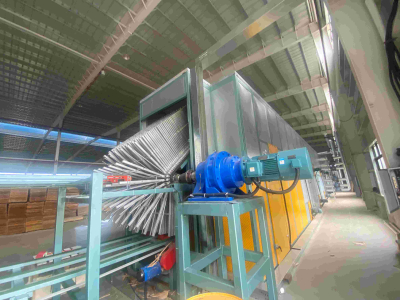
The vertical core veneer dryer features a quick-loading structure, designed specifically to accelerate veneer loading. Its internal hot air circulation system delivers a large volume of hot air, ensuring uniform airflow and consistent temperature. A countercurrent drying cycle helps veneers dry quickly while maintaining consistent drying quality.
According to Shine Machinery's product description, the vertical tunnel-type core veneer dryer comprises four main zones: feeding, heating, cooling, and discharging. This makes it a practical choice for facilities where the primary goal is the economical drying of suitable core veneer, rather than achieving the absolute highest flatness standard.
When Roller Drying Is the Better Fit
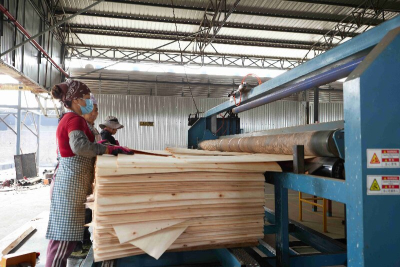
Roller drying caters to a different set of priorities. Shine Machinery's core veneer dryer machine employs upper and lower steel-tube rollers, with hot air applied for rapid drying. The product description emphasizes achieving uniform moisture content and flat veneer, free from buckle or end waviness.
For plywood mills producing higher-grade panels, these details are crucial. Shine Machinery's roller core veneer drying machine produces veneer that is free of splits post-drying, with a surface ideally prepared for gluing. It also excels in controlling shrinkage and casehardening, while preventing collapse and honeycomb defects.
The roller core veneer drying machine is employed for flat drying in the production of high-grade plywood, multi-layer board, and architectural core face veneer. Shine roller plywood veneer dryers can be configured with 1 deck, 2 decks, or 4 decks to meet specific customer demands, offering a stated capacity range from 15 m³ to 150 m³ per day for the referenced core veneer drying machine product line.
Vertical and Roller Dryer Priorities Compared
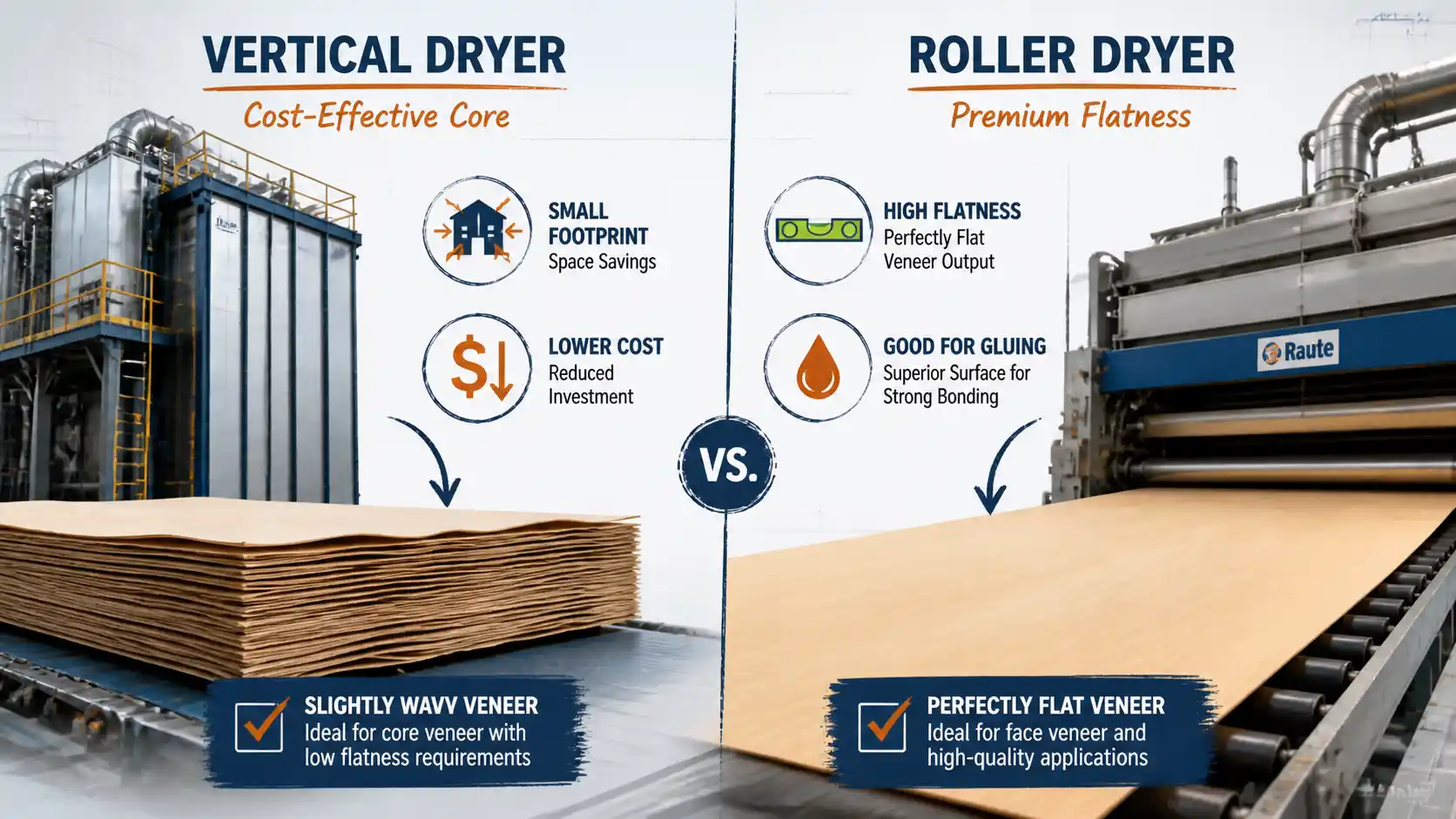
This comparison highlights why a single Veneer Drying System should never be chosen based on purchase price alone. The correct choice depends on veneer thickness, desired moisture condition, output requirements, available plant area, and the importance of the dried sheet within the final plywood structure.
| Selection factor | Vertical veneer drying | Roller core veneer drying |
|---|---|---|
| Main positioning | Core plate, partial surface plate, bottom plate | High-grade plywood, multi-layer board, architectural core face veneer |
| Flatness focus | Suitable for veneers with low flatness requirements | Flat without buckle or end waviness |
| Drying cost | Less than USD 8/m³ for the referenced vertical dryer | Composite drying cost stated as USD 6–12/m³ for referenced biomass roller dryer |
| Space use | About two-thirds of the area of a roller dryer | Deck options can be selected according to output needs |
| Loading or capacity | Three-dimensional loading, 30–80% higher loading capacity than other dryers | 1-, 2-, and 4-deck designs; referenced range 15–150 m³/day |
| Downstream surface | Best for suitable core applications with lower flatness needs | Surface in good condition for gluing |
A Practical Selection Guide for Plywood Mills
A vertical core veneer dryer machine warrants serious consideration when a mill needs compact installation, lower equipment costs, high loading efficiency, and economical drying for core veneer or thick veneer with less stringent flatness requirements. In such scenarios, the vertical dryer's small footprint and low drying cost can directly enhance production efficiency.
Conversely, a roller veneer dryer deserves greater attention when the production line demands flat veneer, consistent moisture, minimal splits, and an excellent gluing surface. This is particularly relevant for applications where the dried veneer's condition significantly impacts panel appearance, bonding reliability, or subsequent processing.
For buyers seeking a China veneer dryer manufacturer, China veneer dryer supplier, or a top China veneer dryer factory, the useful question isn't whether vertical drying is "better" than roller drying. The more practical inquiry is which dryer structure truly aligns with the material and the specific requirements of the finished plywood.
Choosing Around the Finished Veneer
Shandong Shine Machinery Co., Ltd offers both vertical and roller drying options, allowing buyers to match the dryer precisely to the veneer's position rather than forcing one design to handle every task. The vertical core veneer dryer machine is ideal for cost-sensitive core veneer drying where footprint, loading efficiency, and lower flatness requirements are key. Roller drying, on the other hand, is better suited to requirements for uniform moisture, superior flatness, and optimal gluing surface conditions.
A well-designed plywood veneer drying line always begins with a clear understanding of the finished veneer standard. Once that standard is defined, selecting the right veneer dryer machine becomes much simpler, ensuring the investment effectively supports both production cost efficiency and overall panel quality.
FAQs
Can a Vertical Veneer Dryer replace every roller veneer dryer?
No. Shine Machinery indicates that the vertical dryer is suitable for veneers with low flatness requirements, whereas the roller dryer is designed to produce flat sheets, uniform moisture, and a high-quality gluing surface.
What is the main cost advantage of vertical veneer drying?
The vertical dryer mentioned boasts a stated composite drying cost of less than USD 8/m³. Furthermore, its equipment cost is considered low due to the standardized and modular production of its components.
Which veneer positions are suitable for vertical drying?
Shine Machinery states that the vertical tunnel-type core veneer dryer is primarily used for core plate, partial surface plate, and bottom plate, especially in production processes involving cutting first, then drying, for thick veneers.
When should a plywood mill choose roller drying?
Roller drying is more appropriate when the mill's production requires uniform moisture, perfectly flat veneer without buckle or end waviness, no splits after drying, and a surface that is in excellent condition for gluing.
What should buyers compare before selecting a Veneer Drying System?
Buyers should thoroughly compare factors such as veneer thickness, required output volume, available factory area, target moisture content, flatness specifications, and the demands of downstream gluing processes.