
Do Not Overspec Core Veneer Drying Too Early
For plywood mills drying core veneer with modest flatness requirements, the most advanced roller line isn't always the best initial choice. Choosing a suitable veneer dryer means aligning it with the veneer type, target moisture level, available floor space, and investment plan. Shine Machinery's vertical drying equipment is designed for core veneer, thick veneer, and veneers with low flatness requirements, offering a smart solution before investing in a higher-standard roller configuration.
Start With the Veneer, Not Just the Machine
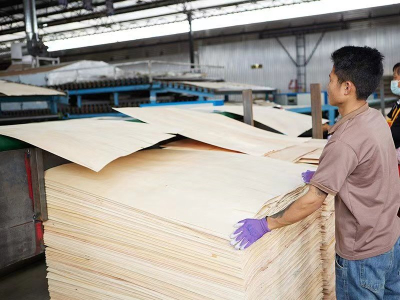
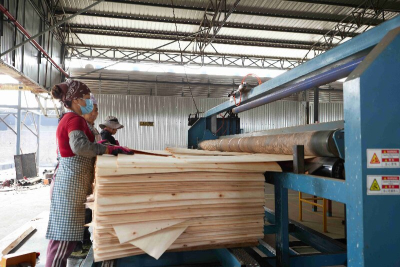
When selecting veneer drying equipment, it's smarter to start with the specific requirements of the dried veneer rather than assuming a more complex system is inherently superior. Applications involving core veneer, partial surface veneer, and bottom plates may not demand the same flatness standard as higher-grade surface veneer. If the final product can accept lower flatness, a mill might prioritize drying cost, loading volume, purchase cost, and installation area.
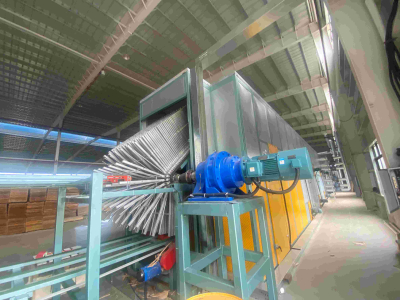
Shine Machinery describes its vertical tunnel-type core dryer as primarily used for drying core plate, partial surface, and bottom plate. The product information also states that this dryer type works well for veneers with low flatness requirements and is particularly suitable for processes that involve cutting first and then drying, including thicker veneers. This clarity helps plywood producers make informed decisions: there's no need to specify a high-standard roller system until they confirm the veneer quality target truly necessitates it.
Why a Vertical Veneer Dryer Suits Low-Flatness Core Veneer
The vertical veneer dryer operates on a tunnel-type process, featuring four main areas: feeding, heating, cooling, and discharging. Its vertical structure utilizes three-dimensional veneer loading, while the internal hot-air circulation ensures uniform airflow and temperature. Shine Machinery also incorporates a countercurrent drying cycle into the system's method, which helps veneers dry quickly with more consistent quality.
For mills prioritizing cost control, the published data is quite compelling. Shine’s vertical dryer boasts a drying cost of less than USD 8 per cubic meter, which is 30–60% of the drying cost reported for other dryers in the product description. Furthermore, the vertical plywood method is stated to increase veneer loading capacity by 30–80% compared with other dryers, and the continuous core veneer drying machine occupies only about two-thirds of the area typically required by a roller dryer.
Such details are crucial in practical factory planning. A mill with limited workshop space might prefer not to allocate the larger footprint of a roller configuration if their primary product is core veneer. Similarly, a project with tight investment control might opt for a machine with a lower purchase cost and modular, standardized parts, as described for Shine’s vertical dryer series.
Understanding "Low Cost Veneer Dryer"
It's important to remember that a low-cost veneer dryer machine isn't exclusively a vertical design. Shine Machinery also offers a low-cost roller veneer dryer model. Its published specifications include a 3-meter working width, a veneer thickness range of 0.8–8 mm, a 32-meter heating-area length, and a drying capacity of 50–60 m³ per day. The stated heat source is a biomass burner, with other options available.
This distinction means buyers should consider both low cost and machine type separately. A vertical configuration might be appealing for core veneer, thick veneer, and low flatness requirements. However, a low-cost roller model could be relevant if a plant still prefers roller conveying but is seeking a cost-effective specification. Both types can be part of a practical veneer drying system comparison, but they cater to different production priorities.
Vertical Dryer vs. Roller Core Dryer: Key Differences
Shine’s roller core veneer dryer is described with a different emphasis than the vertical core dryer. The roller configuration highlights uniform moisture content, flat veneer free of buckle or end waviness, no splits after drying, and a surface condition ideal for gluing. It also features frequency conversion, which allows for automatic adjustment of transmission speed and temperature to achieve the desired drying effect.
For plywood mills where dried veneer flatness, surface condition, and moisture uniformity are top priorities, a roller veneer dryer becomes more relevant. Conversely, for mills primarily drying core veneer with low flatness requirements, the vertical dryer remains a sensible initial evaluation point because its strengths align with a compact layout, high loading capacity, and lower drying costs.
| Selection factor | Vertical core dryer | Low-cost roller dryer | Roller core dryer |
|---|---|---|---|
| Main use | Core plate, partial surface, bottom plate | Cost-oriented roller drying | Core veneer requiring better dried condition |
| Suitable veneer | Core veneer, thick veneer, low flatness requirement | 0.8–8 mm veneer | Core veneer with flatness and moisture demands |
| Loading method | Three-dimensional vertical loading | Roller type | Roller type |
| Footprint | About two-thirds of roller dryer | Roller line layout | Roller line layout |
| Published cost point | Less than USD 8/m³ | Not stated in the cited specification | Not stated in the cited specification |
| Process features | Uniform airflow, steady temperature, countercurrent cycle | 3 m width and 32 m heating area | Frequency conversion for speed and temperature |

A Practical Selection Checklist for Plywood Mills
Before purchasing a veneer dryer machine, buyers should confirm their specific veneer specifications and factory conditions. The key questions are straightforward: What veneer thickness will be dried? Is the product mainly core veneer or surface veneer? What final moisture level is required? How strict is the flatness requirement? How much workshop space is available? What daily or hourly capacity is planned? Does the project prioritize lower investment, lower drying cost, or higher veneer appearance quality?
For veneer drying machine selection, this checklist helps prevent overspecification. If the veneer is thick core material and the plant doesn't need a high flatness grade initially, the vertical configuration can meet the production target at a lower cost and with a smaller occupied area. If the project later demands flatter veneer and a stronger surface condition for gluing, a roller configuration can then be assessed based on those specific needs.
Matching the Dryer to the Product Requirement
The core idea is straightforward: low-flatness core veneer doesn't need to be treated as if it were high-grade surface veneer. A Vertical Veneer Dryer can be an effective starting configuration for drying veneer when the production focus is on core veneer, thick veneer, compact installation, and cost control. A roller dryer becomes more important when the mill places higher value on final flatness, moisture uniformity, and surface condition.
Shandong Shine Machinery Co., Ltd provides both vertical and roller veneer dryer machine options through www.veneersdryer.com. For buyers comparing a China veneer dryer manufacturer or China veneer dryer supplier, the practical approach is to first match the machine to the veneer, then compare capacity, footprint, drying cost, and process requirements.
FAQs
Is a Vertical Veneer Dryer suitable for thick veneer?
Yes. Shine Machinery describes its vertical veneer drying machine as especially suitable for cutting first and then drying, including thick veneers and veneers with low flatness requirements.
What drying cost is stated for Shine’s vertical dryer?
The published drying cost for the vertical dryer is less than USD 8 per cubic meter, described as 30–60% of the drying cost of other dryers.
How much space does the vertical core veneer dryer occupy?
Shine Machinery states that its continuous core veneer drying machine occupies only about two-thirds of the area of a roller dryer.
When should a mill consider a roller veneer dryer instead?
A roller dryer is more relevant when uniform moisture content, flatter veneer, no buckle or end waviness, and a good surface condition for gluing are important requirements.
What veneer thickness does the low-cost roller model handle?
The published low-cost roller veneer dryer model is specified for veneer thickness from 0.8 mm to 8 mm.