
Stop Veneer Wave Marks Before Sorting Sheets
End ripples, wrinkles, cracks, and uneven moisture after plywood veneer drying are often seen as sorting problems. In practice, sheet rejection is only the final response. Instead, start by examining the full heat-exchange journey inside the veneer dryer machine: how veneer enters, how hot air transfers heat, how long the sheet remains in the heating area, how cooling stabilizes the outlet condition, and how the final moisture target is defined.

For buyers comparing a China veneer dryer manufacturer or supplier, it's not just about a machine looking good on paper. The actual challenge lies in whether the selected Veneer Drying System truly matches your veneer thickness, incoming moisture, target moisture, output demand, plant space, labor arrangement, and heat source.
Read Defects Backward Through the Drying Process
A visible wave mark at the discharge end rarely tells the whole story. Industrial veneer drying is a heat and moisture transfer process. Convective veneer drying involves hot air transferring heat to the veneer, causing moisture to evaporate. If heat transfer, air circulation, or residence time becomes uneven, final moisture may vary between sheets or even across the same sheet.
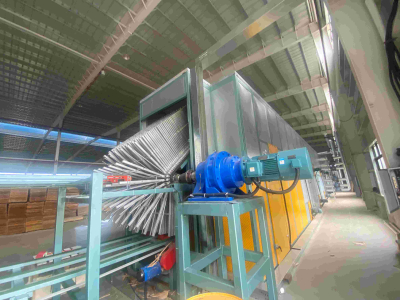
Shine Machinery’s vertical veneer drying machine is divided into four distinct areas: feeding, heating, cooling, and discharging. This sequence offers a practical approach for operators to investigate defects before making sweeping setting changes.
Feeding area: Check incoming veneer thickness, flatness, and moisture condition.
Heating area: Review drying temperature, hot-air circulation, and exposure time.
Cooling area: Confirm the sheet transitions from the heating process in a controlled manner.
Discharging area: Evaluate final moisture and surface condition as the result of the complete process.

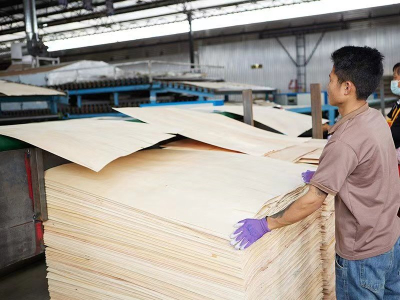
This systematic review is particularly useful when Drying Veneer for plywood cores, as consistent moisture is crucial for subsequent gluing and pressing.
Temperature and Speed Must Be Adjusted Together
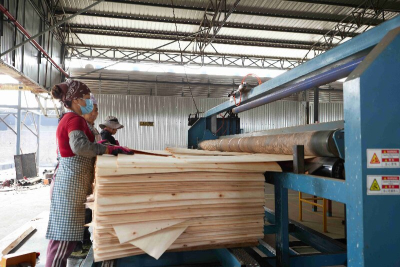
A veneer dryer machine isn't merely a heated tunnel. Heat level and transport speed work in tandem. Raising temperature without reviewing speed can over-dry parts of the sheet; increasing speed without enough heat might leave veneer too wet for the next plywood production stage.
Shine’s GTH30-28 single-deck roller dryer clearly demonstrates this relationship. This model features a 24 m heating area and a 4 m cooling area. It uses waste wood as its heating material, offering an adjustable drying temperature of 140–200°C and a veneer transport speed of 5–22 m/min. The specification indicates that fresh veneer is dried to about 10% moisture, with automatic temperature control and speed regulation ensuring moisture consistency.
For higher-output roller configurations, Shine Machinery offers roller veneer dryers with customizable working widths of 3–6 m, a veneer thickness range of 0.8–8 mm, and a drying capacity of at least 15 m³ per hour. These configurations incorporate advanced hot-air circulation technology and a precision control system. For buyers, the takeaway is simple: the selected Veneer Drying System should be matched to specific production capacity and material condition, not chosen solely by machine category.
When End Waves Appear, Check These Items First
Before removing affected sheets, operators should investigate the process systematically. Altering multiple parameters simultaneously can obscure the root cause.
Compare incoming veneer thickness with the current setting.
Check whether the moisture level of fresh veneer has changed by batch.
Review the selected drying temperature.
Inspect whether hot-air circulation remains stable across the drying section.
Confirm conveyor speed and residence time.
Compare final moisture with the required production target.
Make one adjustment at a time and observe comparable veneer batches.
Shine’s plywood core dryer machine also incorporates automatic electric and frequency conversion control, enabling precise adjustment of transmission speed and temperature based on veneer thickness and moisture content. This means buyers should evaluate temperature and speed control in tandem when comparing plywood veneer drying equipment.
Vertical Dryer or Roller Dryer: Which Depends on the Project?
A roller dryer and a Vertical Dryer address different project requirements. The optimal choice hinges on output, footprint, veneer type, labor plan, and moisture target.
| Selection factor | Shine vertical configurations | Shine roller configurations |
|---|---|---|
| Example model | FBH30-10 / FBH30-20 | GTH30-28 and other roller dryers |
| Moisture example | Fresh veneer to ~0–5% or within 20% | Fresh veneer to ~10% on GTH30-28; ~0–15% on some configurations |
| Capacity example | 1.5 m³/h on FBH30-10; 1.2–1.5 m³/h on FBH30-20 | 0.8–1 m³/h on GTH30-28; at least 15 m³/h on higher capacities |
| Footprint example | 10 × 3 × 4 m on FBH30-10 | ~32 × 9 × 2 m on GTH30-28 |
| Power example | 12 kW on FBH30-10 | 84 kW installed power on GTH30-28 |
Shine designs its Vertical Core Veneer dryer for core veneer, partial surface veneer, bottom plates, and productions involving pre-drying veneer cutting, particularly for thicker veneers. The vertical core veneer dryer utilizes three-dimensional veneer loading, and its equipment footprint is roughly two-thirds that of a roller dryer. Shine also notes that the vertical plywood method boosts veneer loading capacity by 30–80% compared to other dryers.
Low Cost Should Include Fuel, Space, and Labor
A Low Cost Veneer Dryer Machine isn't just about the initial purchase price. In veneer production, the true cost encompasses fuel availability, electricity use, operator requirements, daily output, and how effectively the final moisture content supports subsequent plywood processing.
Shine’s low-cost roller configuration is described as a 3 m working-width dryer for 0.8–8 mm veneer, with a 32 m heating area, 50–60 m³/day drying capacity, and a biomass burner as the primary heat source, with other options available. In another example, the GTH30-28 uses waste wood at 140–200°C. Shine’s vertical dryer features a built-in burner capable of burning waste wood, with an adjustable drying temperature of 100–140°C.
For mills with limited installation space, Shine’s vertical equipment is assembled at the customer’s factory site and can be installed to fit specific location requirements. This makes selecting a veneer drying machine more reliant on actual plant layout than on mere catalog dimensions.
A Practical Buyer Checklist
Before requesting a quotation from a top China veneer dryer factory, buyers can prepare six core details:
Required output in m³/h or m³/day
Veneer thickness range
Incoming moisture and target moisture
Available installation space
Preferred heat source, such as biomass or waste wood
Labor arrangement and automation expectations
With these details, comparisons become more insightful. A Vertical Veneer Dryer may be attractive where footprint, core veneer handling, and low drying cost are priorities. A roller dryer might be more suitable where line capacity, veneer width, and continuous production requirements are central. Ultimately, consistent plywood veneer drying begins with precisely managed heat exchange, preventing the need for sheet rejection.
Shandong Shine Machinery Co., Ltd was founded in 1999 and specializes in veneer dryers and other plywood-making machines. Product details and project discussions are available at www.veneersdryer.com, through Phone/WhatsApp +86 15806625431, or by email at info@sdshinemachinery.com.
FAQs
Why do veneer wave marks appear after drying?
Wave marks are commonly associated with uneven drying, unsuitable residence time, unstable air movement, or a mismatch between veneer moisture and dryer settings. Operators should review feeding, heating, cooling, and discharge conditions before resorting to sorting sheets alone.
What is the structure of Shine’s vertical veneer drying machine?
Shine’s vertical veneer drying machine is divided into feeding, heating, cooling, and discharging areas. This structured design aids operators in examining the complete drying route.
What moisture targets are used in Shine veneer dryers?
Targets vary by configuration. For example, fresh veneer can be dried to about 10% on the GTH30-28 roller dryer, to about 0–5% on the FBH30-10, and to within 20% on the FBH30-20.
Can waste wood be used as a heat source?
Yes. Shine’s GTH30-28 roller dryer specifically uses waste wood as its heating material, and Shine’s vertical dryer incorporates a built-in burner capable of burning waste wood.
How should buyers choose between vertical and roller dryers?
Buyers should compare factors such as required output, veneer thickness, target moisture, available space, preferred heat source, and labor arrangements. Vertical configurations are often considered for core veneer and space-sensitive projects, while roller dryers meet various width and capacity needs.