

Company News
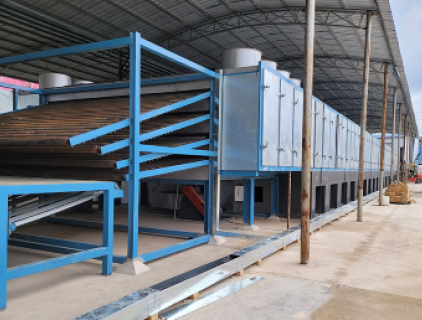
Often, in plywood projects, the initial schedule risk isn't the delivery date itself, but the delays incurred when a “smoke-free” claim lacks measurable operating conditions. A purchase file that clearly describes Drying Veneer inputs, targets, and throughput helps engineering teams align the
2026/09/24 17:30
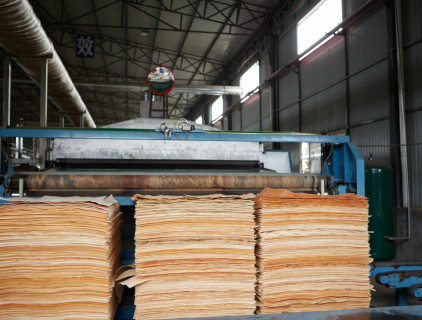
A plywood plant that generates bark, waste veneer, wood chips, or crushed waste wood already owns a valuable energy resource. Yet, plywood veneer drying becomes truly economical only when the biomass fuel stream can consistently support the selected veneer dryer machine—hour after hour, shift after
2026/09/23 11:43
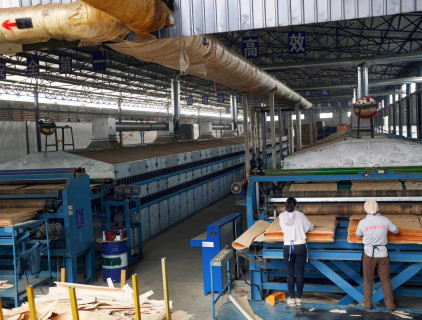
Mark-free panels rarely come from "press fixes" alone. In plywood production, the surface you see after hot pressing is strongly influenced by what arrives before pressing: the condition of the drying veneer, sheet flatness, and how consistent the Veneer Drying System is from batch to batch. When a
2026/09/23 11:41
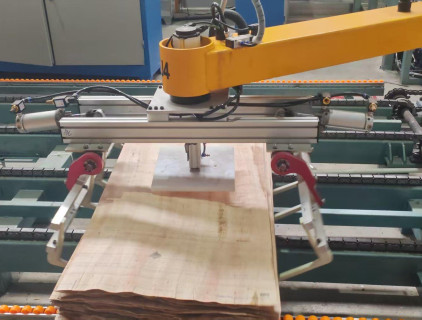
Thick core veneer fundamentally changes what "low cost" truly means in plywood veneer drying. While the purchase price is important, it rarely tells the whole story of your daily operational results. When using a cut-first-then-dry production flow, the real decision centers on whether the entire
2026/09/23 11:13
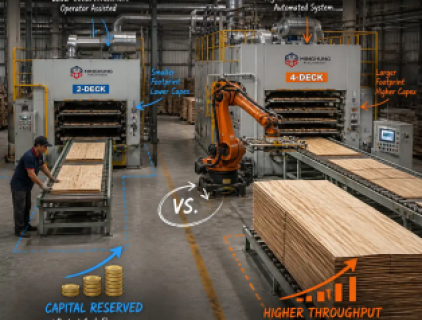
For any overseas plywood project, simply installing a veneer dryer machine shouldn't be mistaken for achieving stable production. True output begins once the equipment is assembled, thoroughly commissioned, fine-tuned with actual production materials, and then transferred to operators who fully
2026/09/18 11:48
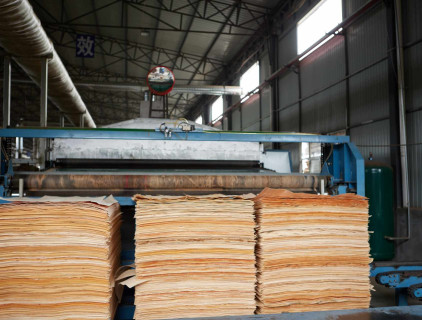
When comparing veneer dryer machines, the vertical plywood method often catches a buyer's eye due to its ability to boost veneer loading capacity by 30–80%, as detailed in Shine Machinery's product information. However, this impressive figure shouldn't be the primary factor in a purchasing decision
2026/09/17 17:39
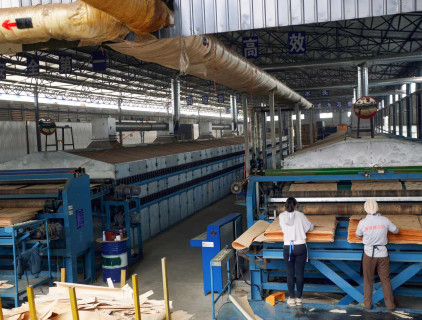
For a plywood mill evaluating a medium-capacity veneer dryer, the most important quotation detail isn't just one attractive number. It's about ensuring that daily output, hourly electricity use, veneer condition, heat source, and operating hours all describe a consistent and integrated Veneer
2026/09/17 17:38
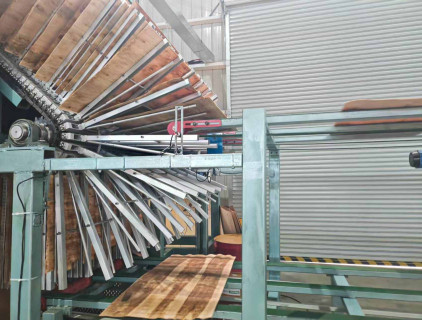
In small plywood workshops, a 10×3×4 m area marked on the factory drawing often serves as an initial reference. However, it's crucial to understand this isn't a final machine specification. For optimal plywood veneer drying, making the right choice truly begins with the plant layout. Factors like
2026/09/15 17:35
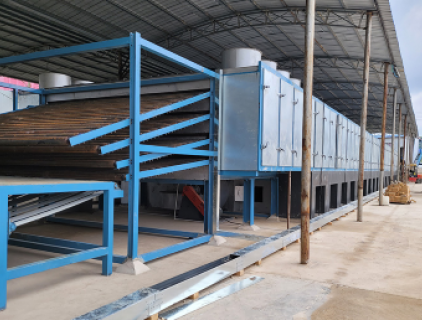
Many plywood mills find their drying section becomes a bottleneck, slowing down overall production. While adding more building space might seem like the obvious solution, it's not always the most practical one. A Vertical Veneer Dryer changes the capacity discussion by using three-dimensional
2026/09/15 17:27

Factories looking to upgrade from manual handling to automatic infeed and stacking often focus solely on the new equipment. In plywood veneer drying, this can easily lead to a costly mismatch. A faster feeder, for example, won't necessarily increase daily output if the veneer dryer machine,
2026/09/11 17:25

Achieving peak output in continuous plywood production isn't solely about acquiring a high-capacity veneer dryer. True efficiency hinges on harmonizing automatic plate feeding, discharge handling, stacking, heat-source operation, and worker rhythm with the dryer's pace. Before scaling up plywood
2026/09/11 17:23

Often, a buyer initially focuses on a simple 110 m³/day target when discussing a veneer dryer machine, but daily output alone doesn't define a workable plywood factory plan. A practical project must translate this target into hourly throughput, operating hours, electricity consumption, biomass fuel
2026/09/10 14:11